EU Tracker – Local heating and cooling plans in Romania

Summary
What is the status of the transposition of Article 25(6) (EDD) and its implementation?
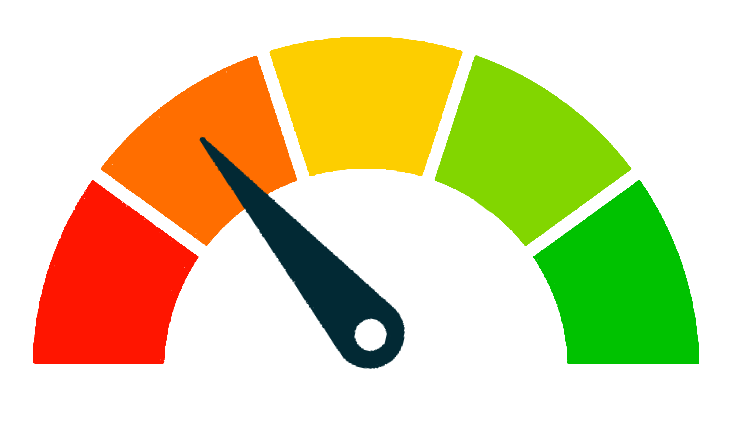
Romania has adopted a legal obligation for local heating and cooling planning through Law 168/2026, applicable from January 2027. Full alignment with the requirements of Article 25(6) of the recast Energy Efficiency Directive remains to be assessed.
Energy Efficiency Improvement Programmes remain an established municipal planning instrument, covering public-sector and residential energy consumption.
A joint ministerial order adopted in August 2026 establishes a methodology for heating decarbonisation support programmes. However, dedicated assistance and funding for preparing comprehensive local heating and cooling plans remain to be confirmed. Municipalities continue to face constraints relating to staff capacity, expertise and access to suitable data.
Detailed assessment
The legal framework and the obligations
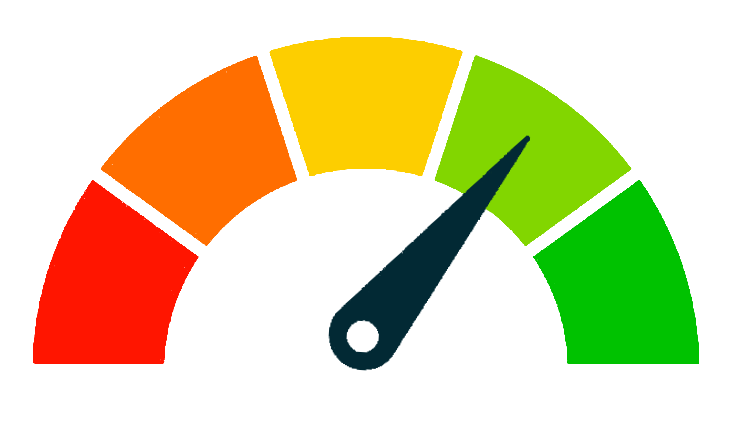
Local heating and cooling planning is mandatory for municipalities with at least 20.000 inhabitants from 1 January 2027.
Law No. 168/2026, through Article 7, point 4, introduced Article 14¹ into Law No. 121/2014. Under Article 14^1(3)(a), municipalities with at least 20,000 inhabitants must prepare local heating and cooling plans from 1 January 2027, update them every four years and communicate them to the Ministry of Energy.
Overview of the legal frameworks per governance level
| National | Romania’s National Energy and Climate plan for 2021-2030, updated in 2024, does not provide any specific measures or obligations for local authorities to develop heating and cooling planning or other energy planning documents. In its evaluation report, the European Commission deemed in the plan the level of ambition for energy efficiency to appear very low. In September 2023, Romania adopted its national Long term strategy on energy and climate. According to the selected 2050 Neutral Romania scenario, the share of RES in gross final energy consumption will be 86.1% in 2050 and 36.2% in 2030. It is stated that the increasing use of heat pumps, solar thermal collectors and green hydrogen will increase the share of RES in gross final energy consumption, in the heating & cooling sector to about 75.8% in 2050. Law 168/2026 establishes a framework for decarbonising heating and cooling. Article 7(4) introduces Article 14¹ into Law 121/2014, establishing municipal heating and cooling planning duties. Joint Order 1.299/957/1.019/1.787/2026, published on 31 August 2026, approves the methodology for implementing heating decarbonisation support programmes. This development is linked to Romania’s National Recovery and Resilience Plan commitments. |
| Local | Municipalities with more than 5,000 inhabitants must prepare Energy Efficiency Improvement Programmes under Article 9 of Law 121/2014, including short-term measures and measures covering three to six years. These programmes cover public-sector and residential consumption. According to stakeholder information, municipalities may submit a SECAP to fulfil this requirement, provided it includes the mandatory reporting tables requested by the Ministry of Energy. Under the newly introduced Article 14^1(3)(a), municipalities with at least 20,000 inhabitants must, from 1 January 2027, prepare local heating and cooling plans incorporating energy transition scenarios, update them every four years and communicate them to the Ministry of Energy. |
The support framework
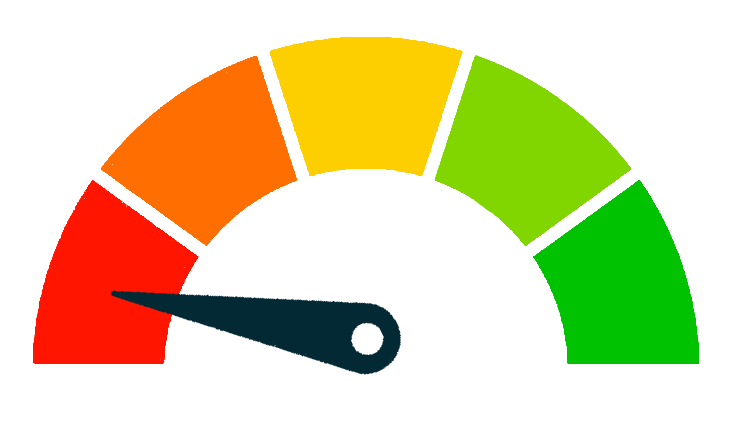
A developing support framework, with gaps in assistance for local planning.
Romania has national templates for Energy Efficiency Improvement Programmes and has adopted a methodology for heating decarbonisation support programmes. These provide a basis for municipal energy planning and investment preparation, but their coverage of comprehensive local heating and cooling planning remains limited.Dedicated funding for LHCP preparation has not been confirmed through the latest update. Limited municipal staff capacity and difficulties accessing sufficiently detailed energy and building data remain barriers.
Provided Support
| Technical and organisational | 2/5 | National templates are available for Energy Efficiency Improvement Programmes. The methodology adopted in August 2026 also includes an Excel-based instrument for assessing the technical feasibility and economic justification of heating replacement investments. This supports project appraisal; comprehensive national guidance dedicated to preparing LHCPs has not been confirmed. Municipalities continue to draw on European and domestic initiatives for additional expertise and knowledge exchange. |
| Financial | 1/5 | No dedicated funding is provided to Romanian local authorities to plan strategically for the decarbonization of heating and energy for cooling. Financial support, mainly funded by the EU, has been allocated for specific projects aimed at improving the efficiency and uptake of renewable energy sources in district heating systems; for instance through the National Local Development Program (PNDL) and the Romanian regional program 2021-2027. While EU funding from the recovery and resilience facility have been directed to building renovation, the deployment of renewable energy sources and the efficiency of district heating systems, the role of local authorities and strategic local energy planning have meanwhile been overlooked. The new framework establishes rules for support programmes replacing inefficient heating installations, including household systems, installations serving public buildings with a social function and eligible district heating production units. Access to funding depends on programme-specific calls, allocated budgets and eligibility conditions. The adopted methodology does not itself demonstrate that financing is available for municipalities to prepare comprehensive local heating and cooling plans. Dedicated support for LHCP preparation therefore remains unconfirmed. |
| Staff & skills | 1/5 | Local authorities face obstacles in developing their energy plans due to limited resources and understaffing, making them reliant on external consultants for energy planning related activities. Some technical training and competence building are organised sporadically, often through EU-funded projects or regional development agencies. Discussions and exchanges between municipality members on energy-related activities has also been facilitated by the Romanian Municipalities Association (AMR). Most local administrations lack skills and expertise on energy-related issues, without staffing resources dedicated to energy planning. |
| Access to data | 1/5 | The lack of access to data is a major barrier for local energy planning and for carrying out sufficiently precise assessments and modelling. A centralised platform for harmonised energy-related geodata and tools for data analysis have not yet been provided to local authorities. Energy utility providers have no obligation to provide energy demand data to local authorities and are often reluctant to do so when requested. Some buildings data is available to local authorities, however not sufficiently detailed for energy planning purposes. Data on heating supply systems, energy performance standards, and building renovation, as well as the technical and economic potential of renewable energy sources is not easily available. |
