Annual Forum 2026: “We must reconnect with one another, with our communities”
Thank you for joining our annual forum in Guimarães!
About

If we fail at inclusion, we risk a world where the most vulnerable have no rights and the powerful have no limits. To face challenges like climate change, we must reconnect with one another, with our communities. In our cities, we are showing another way is possible: an inclusive approach that goes beyond ideology or party politics.
Mohamed Ridouani, Energy Cities’ President and Mayor of Leuven (BE)
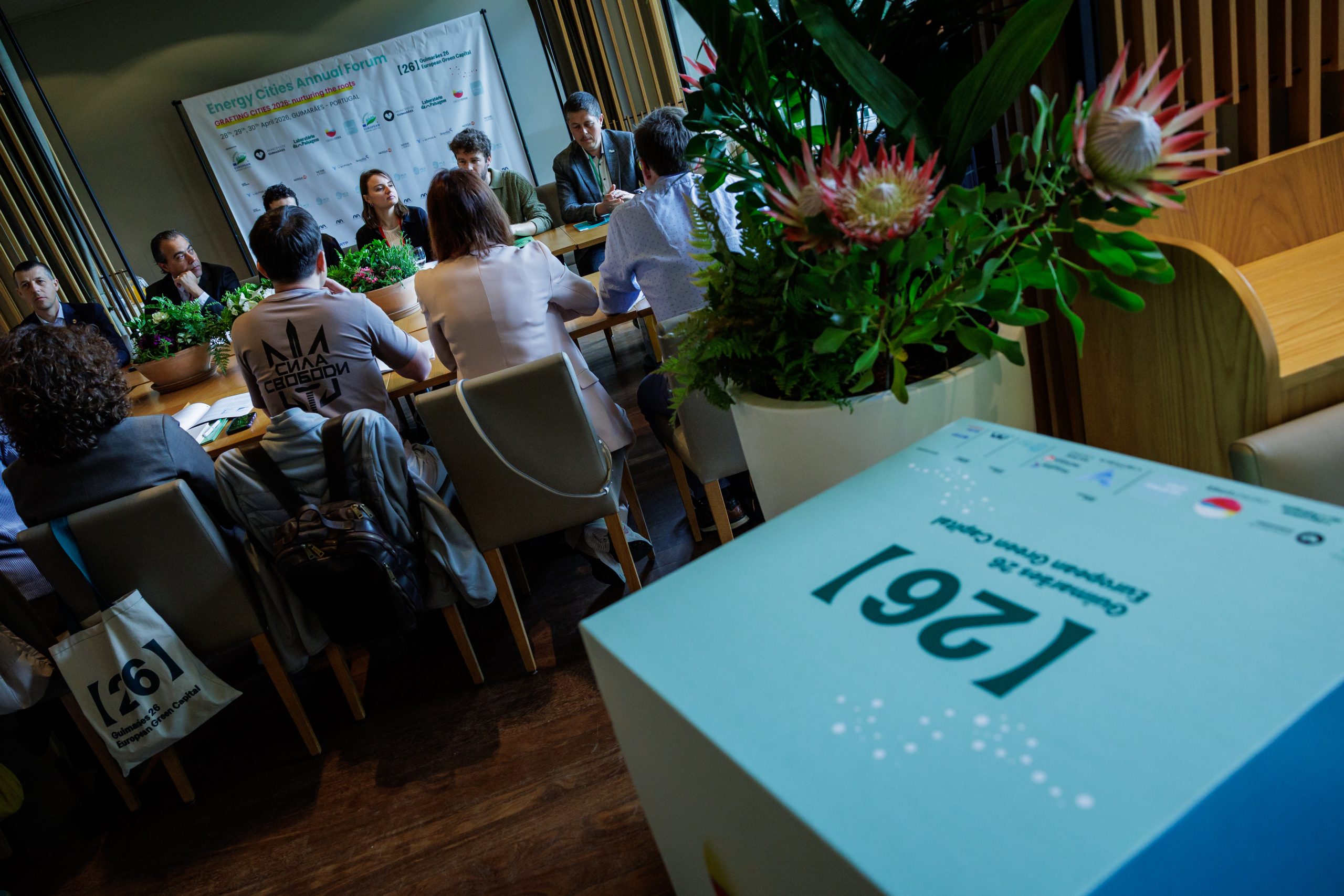
Reconnecting and making sure cities have the means to nurture their roots were the red thread of our 2026 Annual Forum. On 28, 29, 30 April, our member since 2007, Guimarães, hosted about 300 of our members and partners to share experiences and forge new partnerships.
Building a resilient future through collaboration
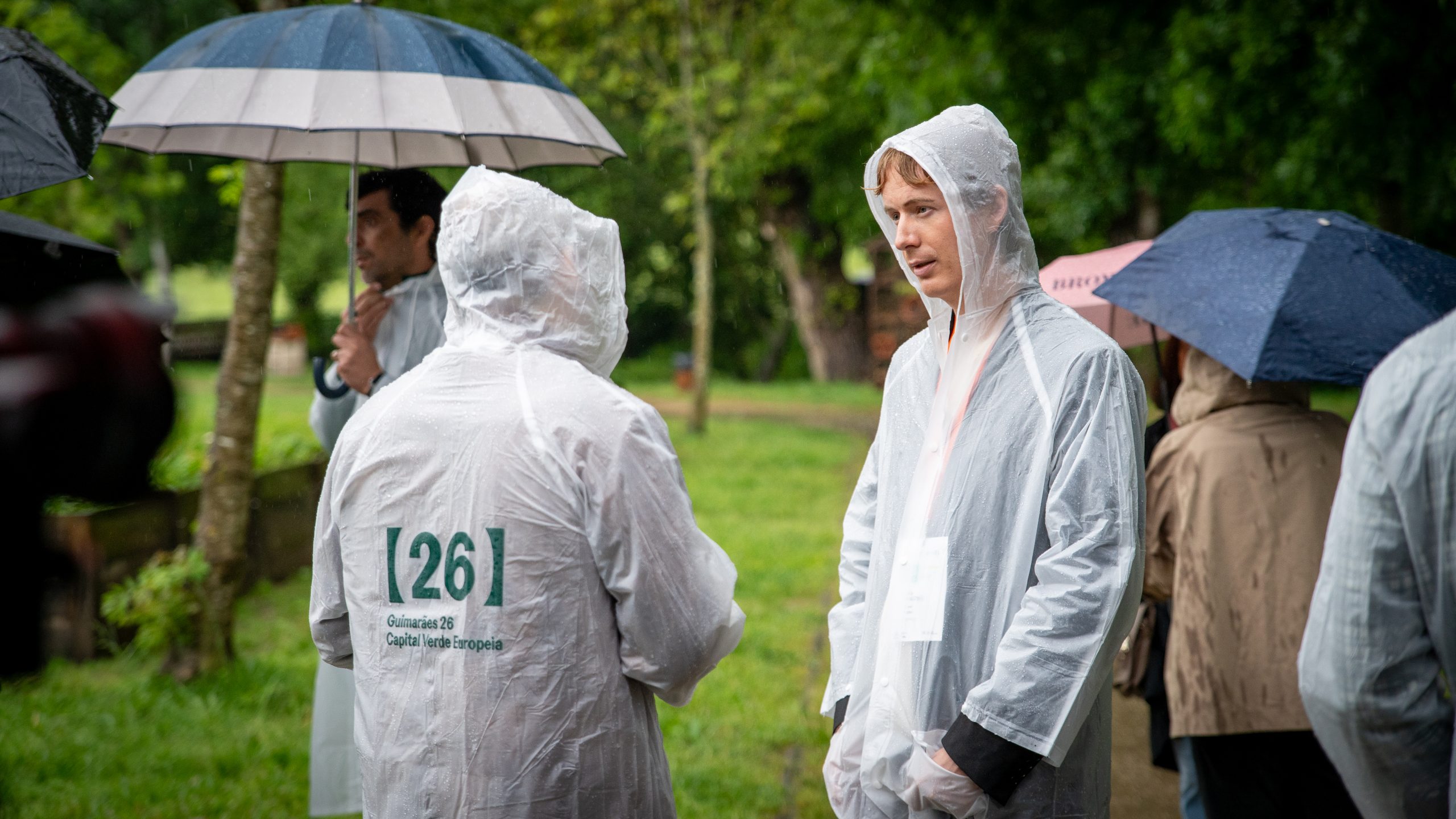
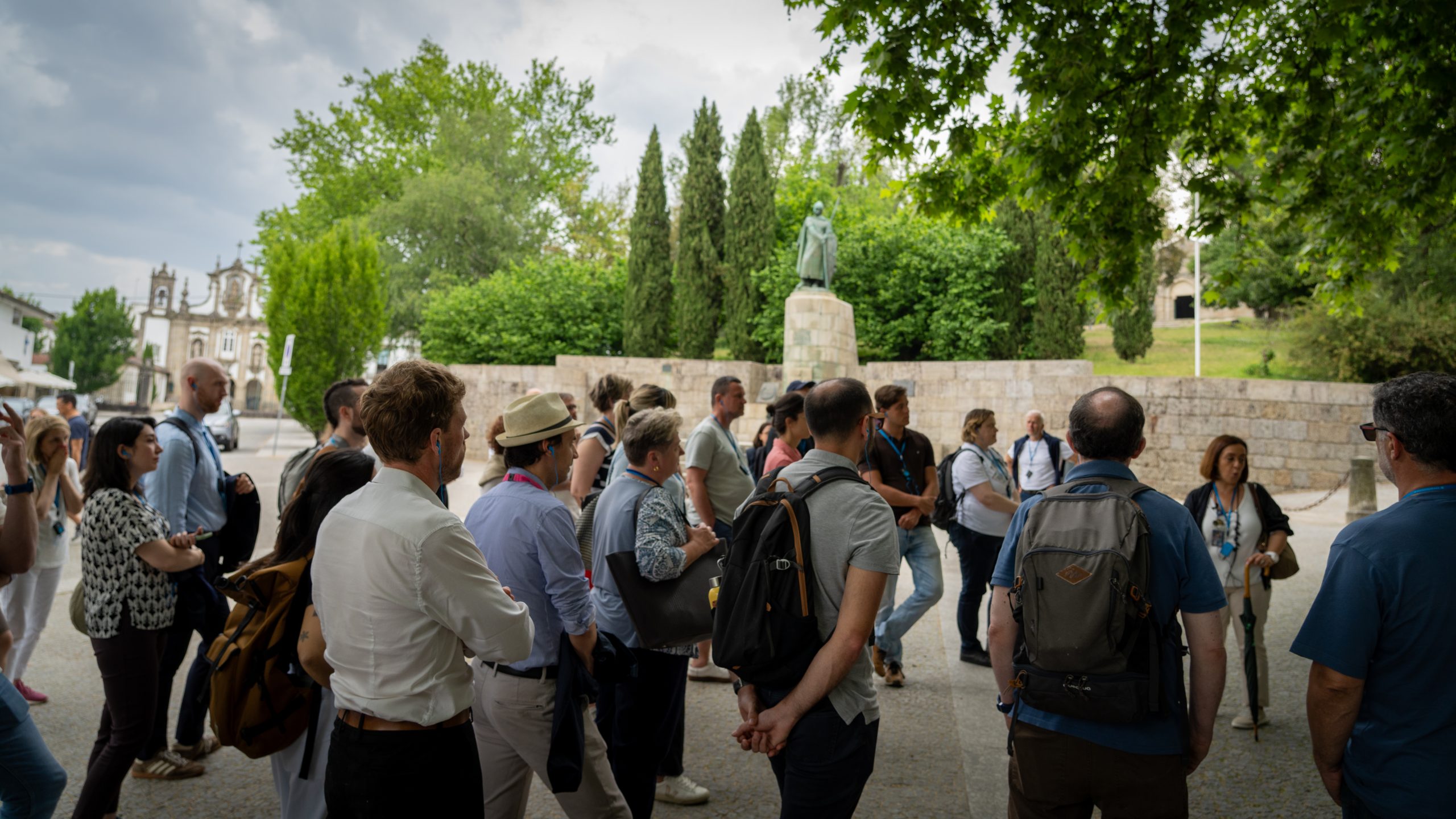
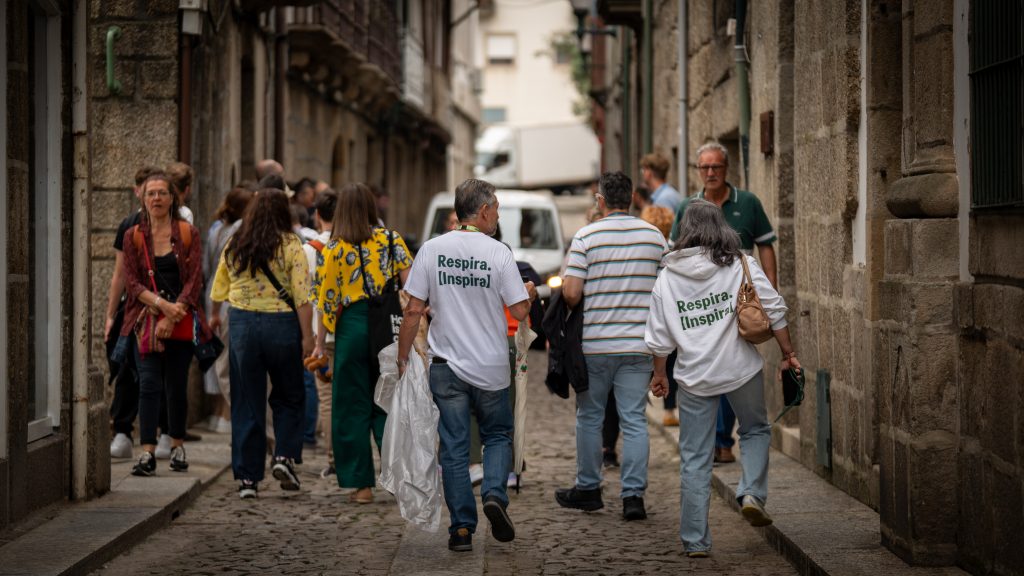
Guimarães, European Green Capital 2026, showed its commitment to achieving continuous improvement regarding all sustainable challenges. The city is an example of determination as it has shown how sustainability efforts can be shaped within the community. In the five thematic journeys which took place on 30 April, participants learned about its initiatives and projects to make the city more sustainable, resilient and adapted to citizens’ needs.
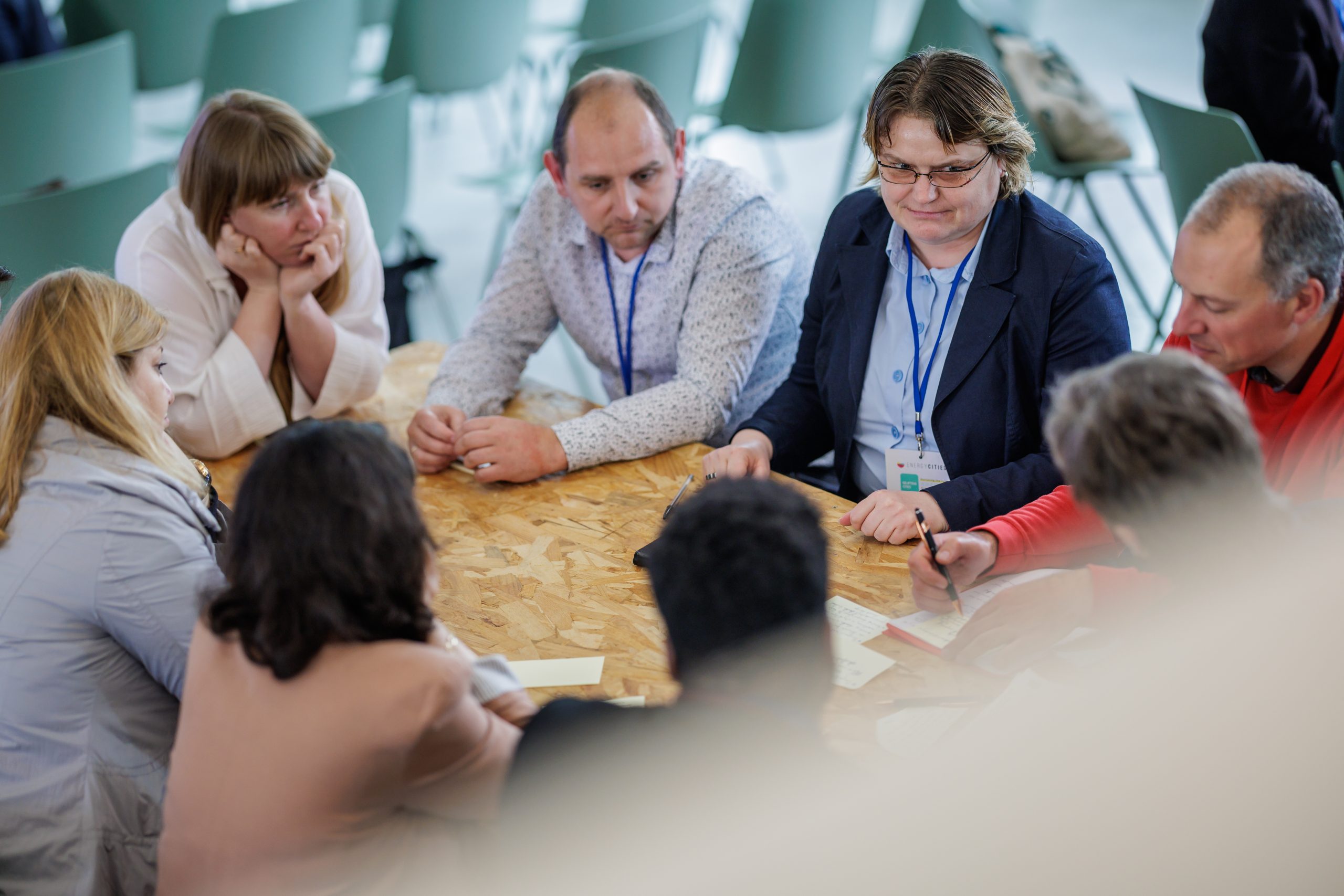
Journey 1, ‘the seed’: Building climate governance from the ground up, explored how local authorities can engage with and support SMEs and the industry in their sustainable transformation. It included a visit to District C and the Landscape Laboratories, an old industrial site that has been turned into a hub for innovation. The afternoon workshop included inspiring stories from the cities of Valladolid (Spain), Zagreb (Croatia) and Sofia (Bulgaria) and participants discussed the need for cities to leverage the private sector in climate policies.
Journey 2, “the Habitat”: Scaling affordable housing through procurement and partnerships, analysed how cities can respond to the housing crisis by combining innovative construction models, sustainable design and smarter use of the housing stock. Participants learned about the AvePark housing strategy and visited a public student housing building. The workshop explored the importance of sufficiency in designing affordable housing strategies.
Journey 3, “the Leaf”: Communities driving the shift to fossil-free heating and cooling, focused on how citizens can become active players in the clean production and management of energy for heating and cooling. Participants visited Guimagym, a gymnastics academy, which is low-carbon public building combining bio-based materials, on-site renewables, and high-efficiency systems to achieve near energy self-sufficiency. In the afternoon, the workshop addressed strategies to decarbonise district heating and embrace the role of citizens in the design and implementation of heating and cooling solutions.
Journey 4, ‘The Pollinator’: Cities and citizens enabling a fair energy transition for all, dived into how cities and citizens can work together to maximise inclusion to ensure a fair energy transition for all. In the morning session, the municipality presented the development of an innovative energy community, combining new governance and financing models with a careful integration of solar infrastructure into a historic UNESCO-listed setting. The workshop explored the concept of fairness and how it can be embedded into municipal strategies and local energy governance.
Journey 5, ‘the fruit’: Cultivating food autonomy & security in times of crisis, explored how cities and regions can achieve food autonomy as a pillar of local resilience by improving food production and distribution and ensuring access for all citizens. Participants visited the Horta Pedagógica, a community garden. The workshop analysed how cities design, govern, and implement effective food strategies, with a strong focus on local action, land use, and participatory governance.
“We are in the middle of an energy crisis because of the war in Iran, which is leading to a food crisis. Food is closely related to energy, as we rely on fossil fuels to produce, process, transport, and cook food. The solution lies in resilience to tackle the crisis and ensure access to affordable and sustainable food for all.”
Nicole Pita, Programme Manager at IPES-Food
The key role of cities and regions
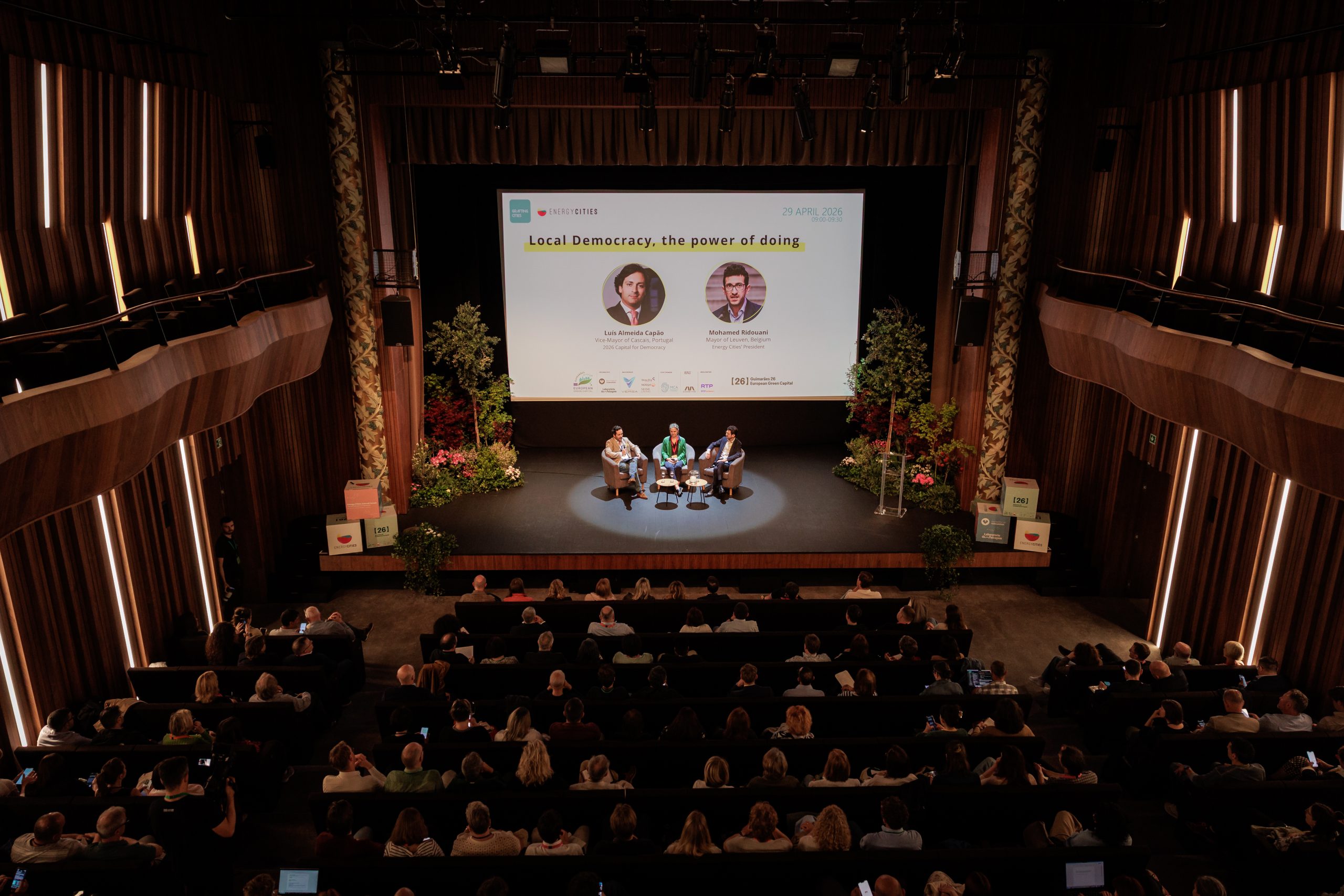
The forum takes place at a time when the upcoming EU budget foresees fewer resources to feed our cities’ roots, and when democracy itself faces difficult challenges. The theme ‘Nurturing the roots’ highlighted the importance of the right conditions for cities to grow and succeed, especially strong local democracy.
The EU needs its cities. We are the EU institutions’ best allies: more progressive, braver, and more pro-EU than our national governments. But we need to be more involved in EU decision-making, like in the next EU budget. It’s been proven that when we participate, programmes are more effective – because we know peoples’ need.
Benedek Jávor, head of representation of Budapest to the EU
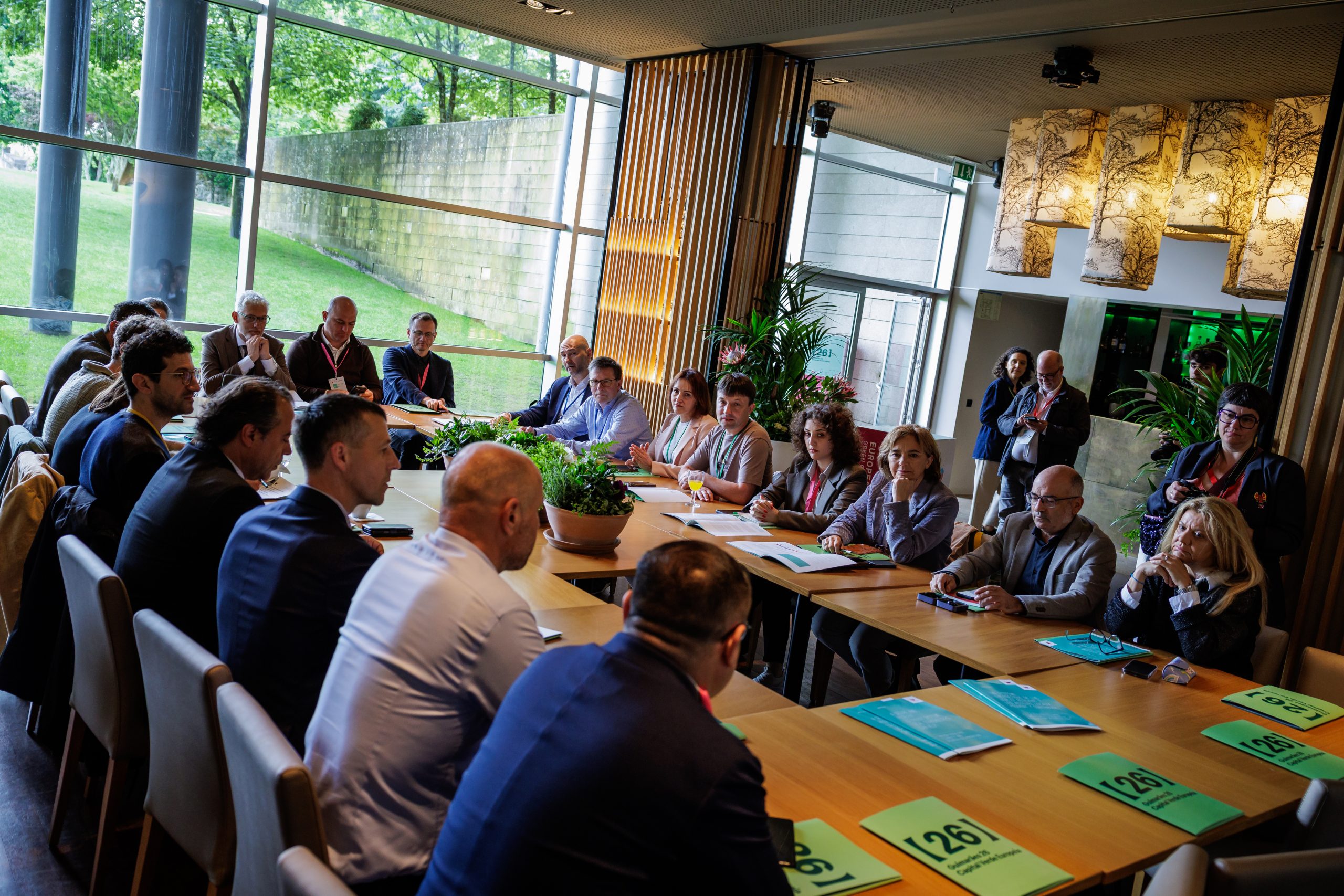
The Mayors’ Club session offered a space reserved to elected representatives to discuss local elected officials’ need to overcome concrete obstacles, especially around infrastructure: long permitting procedures, limited grid capacity, difficulties in disconnecting from the gas network, and complex relations with DSOs, while also fostering citizen participation.
Getting inspired and forging new partnerships
The three days also included moments of exchange and inspiring sessions. The welcome fair and networking cocktail on Tuesday 28th of April kicked of the forum and allowed participants to meet and reconnect. On Thursday 30th of April, the Spotlight Session: tackling indirect emissions, explored cities’ roles in shaping consumption patterns, enabling repair and reuse cultures, managing textile waste streams and partnering with local industries to cut the hidden emissions of fast fashion. The Cities’ Stories session showcased successes and challenges from our members Bornova (Turkey), Vienna (Austria), Dijon (France) Assen, Arnhem and Province of Fryslân (the Netherlands), Valencia (Spain), Cascais (Portugal), energy agencies in Lisbon and Porto (Portugal) and Barcelona (Spain), and Energy Cities Algeria.
“How do we go from ‘me’ to ‘we’?” Andries Metz from the Province of Fryslân (NL) put an essential challenge on the table: “We have wind, we have water, we have land, we have space. This should be reason enough to be self-sufficient in Europe. Yet here we are. This is not a technological issue, but a social one. How do we take the entire community with us?”
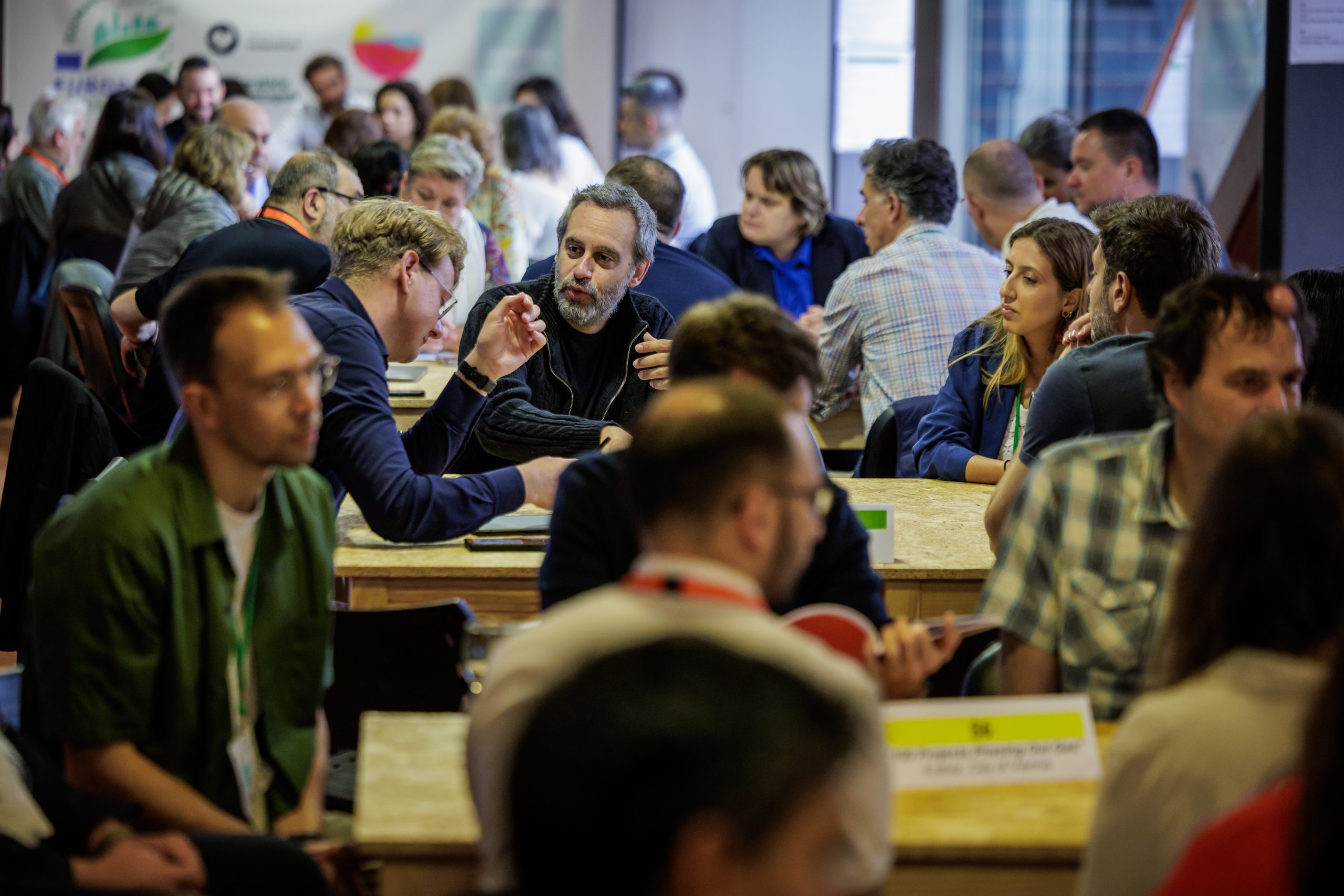
The project matchmaking, reserved for our members, presented the latest open calls under the LIFE Programme and the EUI and included an interactive round where cities could pitch their ideas and find new partners. If you would also like to benefit from this and other exclusive services to members, join our network.
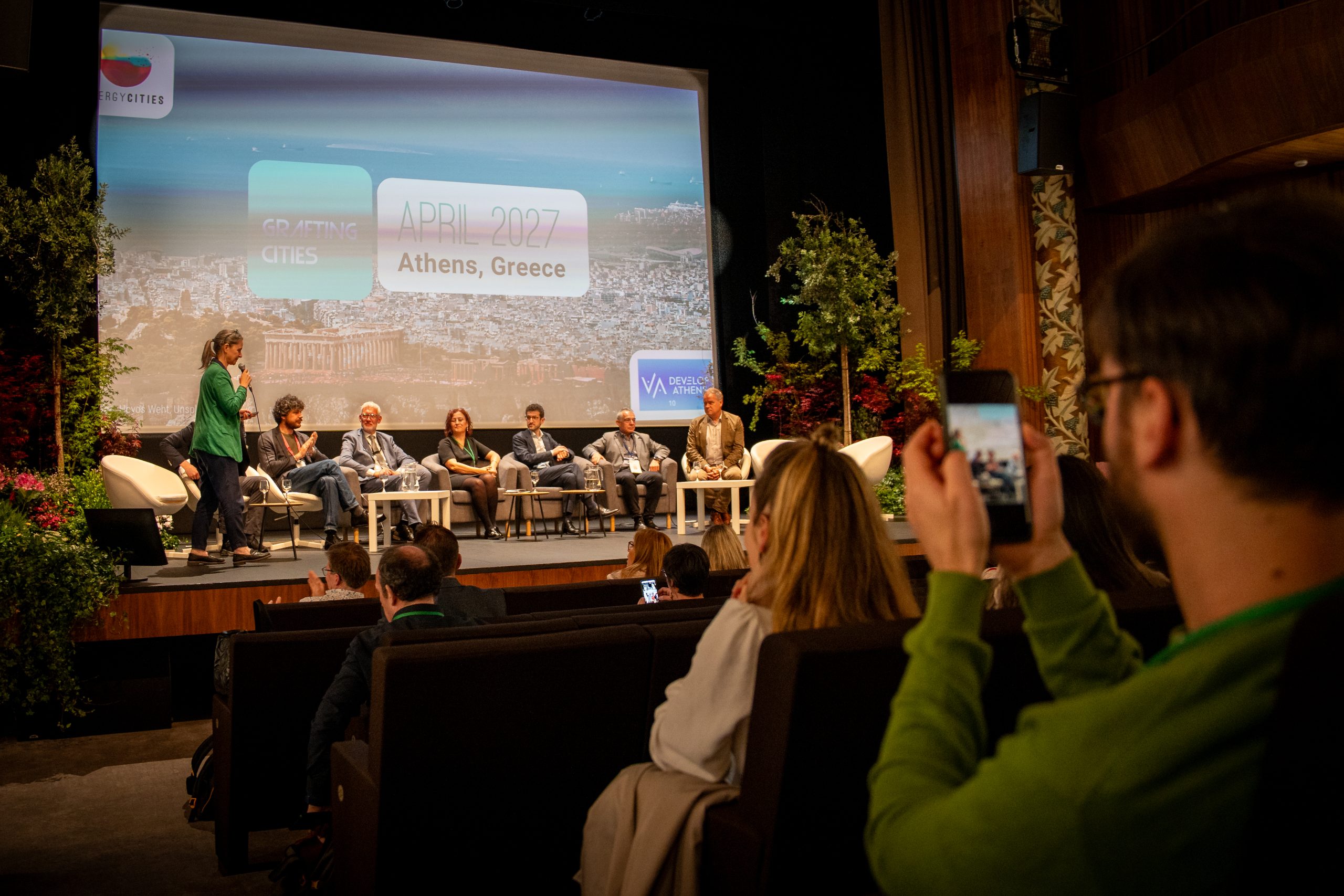
Next stop… Athens!
We finalised the forum announcing 2027’s host, Athens! The capital of Greece is leading the way in the Hellenic country and will showcase its amazing initiatives next year.
We hope you enjoyed the forum and came back with new ideas to accelerate the green transition. Subscribe to our newsletter and keep up with the latest news about the forum.
And for this edition, the hot poets put together a few takeaways in an unconventional way, not to forget the power of collective actions.