Chauffer Besançon sans gaz : la transition vers un réseau de chaleur décarboné
Anthony Nappez sur la sortie progressive des énergies fossiles et la transition vers un réseau de chaleur décarboné à Besançon
 Villes zéro carbone
À propos

Partout en Europe, les villes repensent la manière dont elles chauffent les logements et les bâtiments afin de réduire leur dépendance aux énergies fossiles, renforcer leur résilience énergétique et proposer des solutions plus durables aux habitants. En France, Besançon agit pour accélérer la transition vers un système énergétique plus propre et davantage basé sur des ressources locales.
Le chauffage est l’une des principales sources d’émissions de CO₂ sur le territoire, c’est pourquoi l’agglomération a placé la décarbonation du chauffage au cœur de sa stratégie climatique. Grâce à l’extension et à la transformation de son réseau de chaleur, le territoire augmente la part des énergies renouvelables et de récupération tout en garantissant une fourniture de chaleur plus stable et plus abordable pour les usagers raccordés.
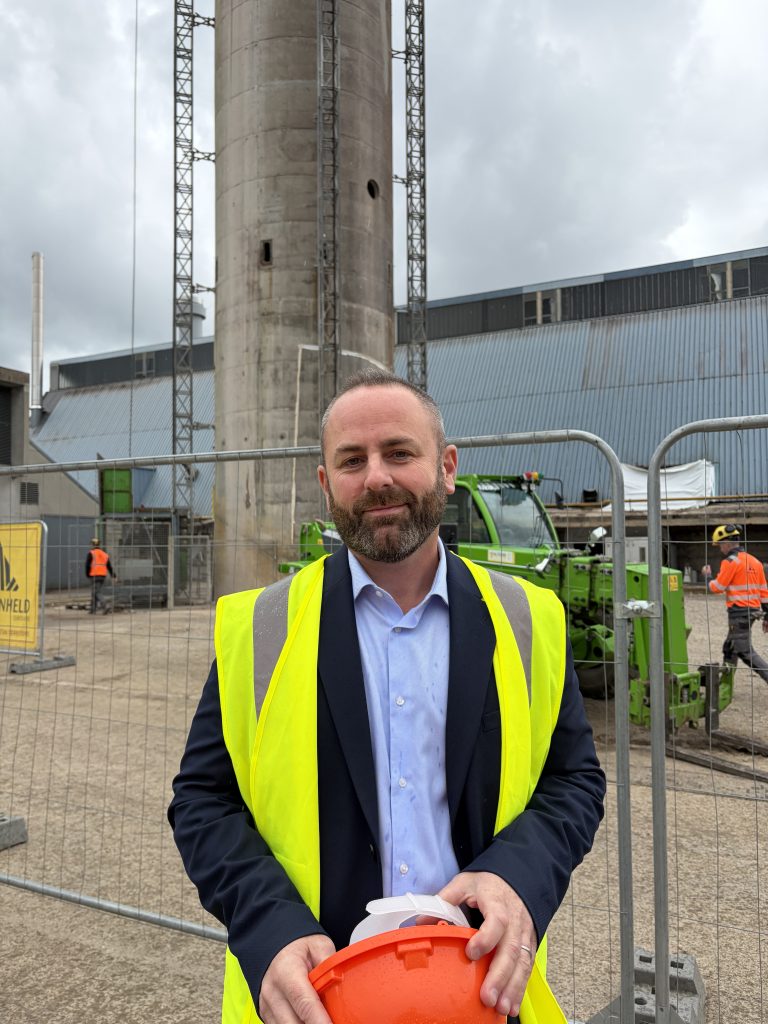
Dans le cadre de notre campagne Making Heat Safe, nous avons échangé avec Anthony Nappez, Vice-Président de Grand Besançon Métropole, afin d’en savoir plus sur la manière dont Besançon sort progressivement du gaz dans son système de chauffage.
Comment contribuez-vous aux efforts de décarbonation du chauffage dans votre ville ?
Les transports et le chauffage sont les 2 principales activités émettrices d’émissions de CO2 sur le territoire du Grand Besançon. La communauté urbaine est compétente dans ces 2 domaines et a pris des mesures ambitieuses: côté transport, la totalité des bus utilise depuis 2024 une énergie décarbonnée : du gaz vert pour les bus GNV et du gazoil issue de recyclage de déchets pour les bus diesel. Avec ces 2 mesures c’est prêt de 80% d’émissions de CO2 en moins sur les transports collectifs.
Côté chauffage, GBM a validé un plan d’extension du chauffage urbain visant à doubler la part de la chaleur Renouvelable sur le territoire la passant de 9 à 18% .
Quels sont les différents acteurs impliqués dans la transition du chauffage dans votre ville, et comment travaillez-vous ensemble ?
Les élus et services de GBM sont en première ligne avec les opérateurs délégataires des concessions. L’ingénierie est un point important de ces démarches sans oublier l’implication des usagers dans la construction des solutions.
Quel est l’aspect le plus important de ce travail pour vous personnellement ? Qu’est-ce qui vous donne de l’espoir ou de la motivation pour poursuivre cette transition ?
Le point rassurant est que nous avons les solutions. Le territoire a la capacité de mettre en œuvre la transition énergétique. C’est avant tout une question de choix et d’arbitrage individuels et collectifs. Il nous reste à convaincre d’embarquer le plus grand nombre !
Que souhaiteriez-vous que les habitants comprennent concernant le travail réalisé en coulisses ?
Les grands bisontins seuls n’arrêteront pas le changement climatique planétaire mais si chacun comprend les enjeux et se retrousse les manches, le territoire peut atteindre ses objectifs d’atténuation et s’adapter aux changements à l’œuvre.
Comment votre équipe veille-t-elle à ce que la transition du chauffage soit juste et inclusive, notamment pour les ménages confrontés à la hausse des coûts de l’énergie ?
Le chauffage urbain est une solution essentielle pour maitriser la facture de chauffage des habitants.
Nous avons choisi un mix énergétique décarbonée et locale à 90% avec la valorisation de l’incinération des déchets et des ressources en bois de la région. Cela nous permet d’avoir un prix inférieur aux énergies traditionnelles (gaz ou électricité) et avec une plus grande stabilité.
Avec le recul, qu’auriez-vous aimé savoir avant de commencer ce projet ?
Il ne faut pas négliger le besoin d’expliquer, de donner du sens aux décisions prises. Quand on est convaincu de l’intérêt de nos actions, on peut avoir l’impression que tout le monde va y adhérer spontanément.
Créer un réseau de chaleur, c’est travailler sur l’espace public avec l’ensemble des gestionnaires de voirie et des opérateurs des autres réseaux à mobiliser. Là aussi, une mobilisation transversale, le plus en amont possible est indispensable pour assurer la meilleure coordination possible.
Si vous aviez une « baguette magique » et pouviez changer une chose — politiquement, financièrement ou concrètement — pour faciliter votre travail, quelle serait-elle ?
Encore une fois, si chaque propriétaire pouvait se dire qu’isoler son logement ou son bâtiment est une priorité, ça changerait la donne !
Comment imaginez-vous le chauffage dans votre ville dans 10 ans ?
Dans 10 ans, j’imagine une ville qui a divisé par 2 son besoin de chauffage, qui s’est adapté aux fortes chaleurs et avec un réseau 100 % décarboné mixant biomasse, géothermie, électricité et gaz vert.
En complément de cette interview, découvrez la stratégie de Besançon en matière de chauffage dans notre étude de cas ci-dessous.