Heating Besançon beyond gas
Anthony Nappez on Besançon’s transition away from fossil fuels towards cleaner heating
 Fossil-free cities
About

Across Europe, cities are rethinking the way they heat homes and buildings to reduce their reliance on fossil fuels, strengthen energy resilience, and provide more sustainable solutions for residents. In France, Besançon is taking action to accelerate the transition towards a cleaner and more local energy system.
Heating is one of the main sources of CO₂ emissions across the territory, which is why the metropolitan area has placed heat decarbonisation at the heart of its climate strategy. Through the expansion and transformation of its district heating network, the territory is increasing the share of renewable and recovered energy while ensuring a more stable and affordable heat supply for connected users.
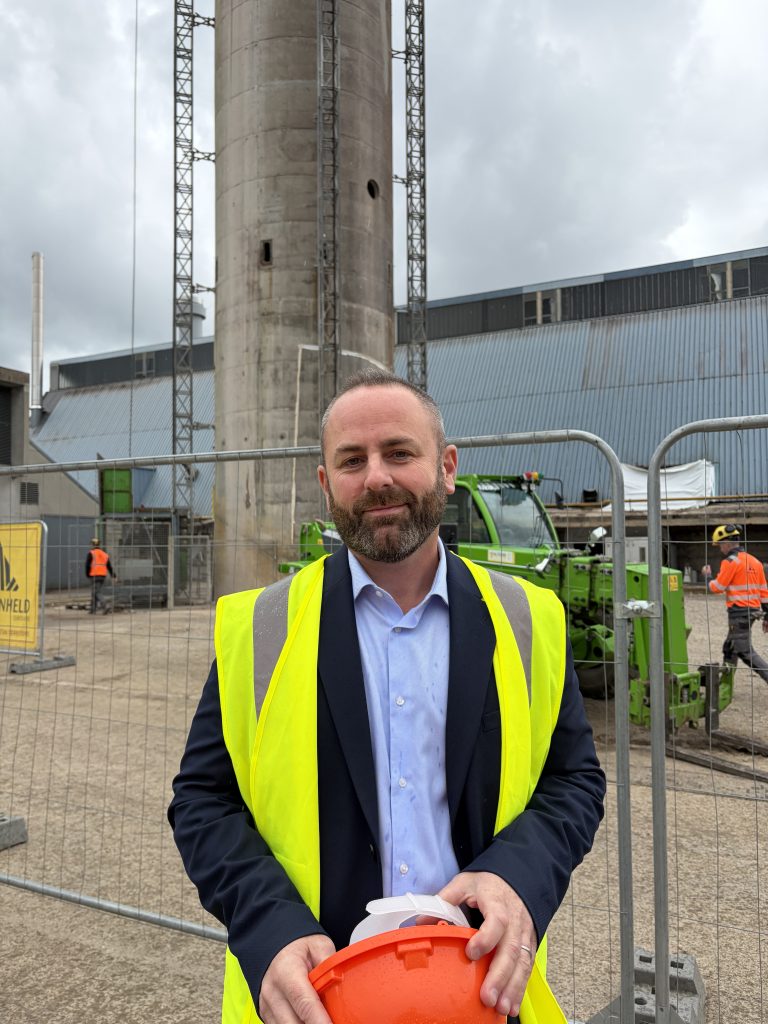
As part of our Making Heat Safe campaign, we spoke with Anthony Nappez, Vice-President of Grand Besançon Métropole, to learn more about how Besançon is phasing out gas from its heating system.
How do you contribute to your city’s heat decarbonisation efforts?
Transport and heating are the two main sources of CO₂ emissions across the Greater Besançon area. As the urban community is responsible for both sectors, it has implemented ambitious measures. On the transport side, since 2024, all buses have been powered by low-carbon energy: biomethane for the natural gas (CNG) buses and renewable diesel produced from recycled waste for the diesel fleet. Together, these measures have reduced CO₂ emissions from public transport by nearly 80%.
On the heating side, Greater Besançon has approved a district heating expansion plan that aims to double the share of renewable heat across the territory, increasing it from 9% to 18%.
Who are the different people involved in making the heat transition happen in your city, and how do you work together ?
Greater Besançon’s elected representatives and municipal services are at the forefront of these efforts, working closely with concession operators. Strong technical expertise is essential to delivering these initiatives, alongside the active involvement of residents in designing and shaping the solutions.
What is the most important aspect of this work for you personally? What gives you hope or motivation to keep pushing the transition forward?
The reassuring news is that we already have the solutions. Our territory has the capacity to deliver the energy transition. Above all, it is a matter of individual and collective choices and priorities. The challenge now is to bring as many people as possible on board.
What would you want people to understand about the effort happening behind the scenes?
The people of Greater Besançon alone cannot stop global climate change. However, if everyone understands what is at stake and is willing to take action, the territory can achieve its climate mitigation objectives and adapt to the changes already underway.
How is your team ensuring the heat transition is fair and inclusive, especially for households facing rising energy costs?
District heating is a key solution for keeping residents’ heating costs under control.
We have chosen an energy mix that is 90% low-carbon and locally sourced, using heat recovered from waste incineration alongside sustainably sourced wood from the region. This enables us to offer heating at a lower and more stable price than conventional energy sources such as gas or electricity.
Looking back, what do you wish you had known before starting this project?
We must not overlook the need to explain decisions and give them meaning. When we are convinced of the value of our actions, there can be a tendency to assume that everyone will spontaneously share that conviction.
Developing a district heating network means working in public space with all road managers and the operators of other utility networks that need to be engaged. Here too, cross-sector mobilisation, as early as possible, is essential to ensure the best possible coordination.
If you had a “magic wand” and could change one thing — politically, financially, or practically — to make your work easier, what would it be?
Once again, if every property owner considered insulating their home or building a priority, it would make a real difference.
How do you imagine heating in your city in 10 years?
In ten years’ time, I imagine a city that has halved its heating demand, adapted to extreme heat, and operates a fully decarbonised network combining biomass, geothermal energy, electricity, and biomethane.
In addition to this interview, explore Besançon’s heat strategy in our case study below.