When prices rise, the lights stay steady thanks to solar
Aradippou in Cyprus is increasing energy independence by investing in a second photovoltaic park
 Community energy
About

Europe’s energy debate has shifted once again. As geopolitical tensions continue to expose the risks of relying on imported energy, cities are increasingly asking a practical question: how much energy can we produce ourselves? Mediterranean cities are more and more using their solar exposure as a strategic advantage.
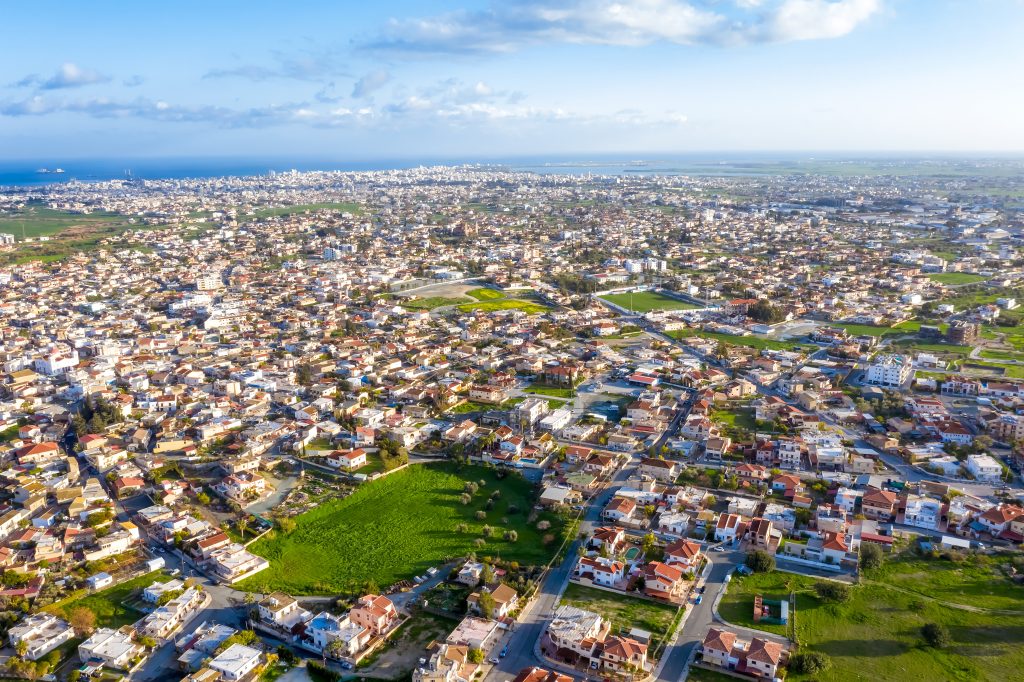
The municipality of Aradippou (23,000 inhabitants), a pioneer in Cyprus, knows how to make most of the abundant sun. A year ago, we shared how the municipality became the country’s first to cover the electricity needs of its public buildings and street lighting with renewable energy, thanks to a municipal photovoltaic park. Today, Aradippou is taking the next step—not only operating its first solar park, but already planning the next one. The story offers valuable lessons for any municipality considering its own journey towards energy self-sufficiency.
The need to be realistic
Instead of asking how to install solar panels, Aradippou first asked a different question: Which municipal electricity consumption could realistically be covered with locally produced solar energy?
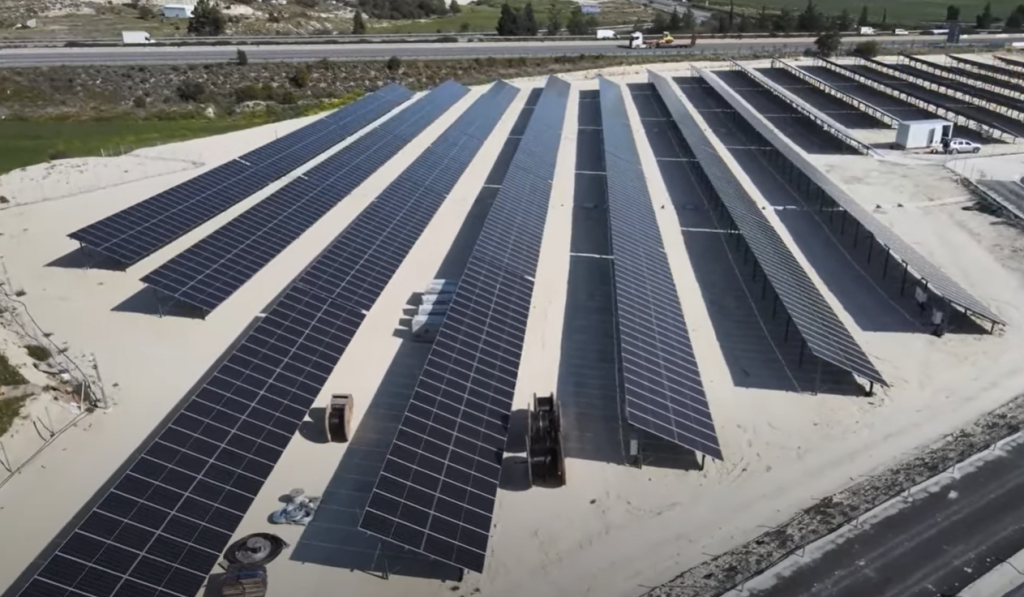
The answer pointed to two major consumers that were in municipal hands: public buildings and street lighting. This helped define the scale of the investment. The municipality developed a 2.96 MW photovoltaic park capable of generating enough electricity to match these annual consumption needs, reducing electricity costs while shielding the municipal budget from price peaks.
Building a project takes longer than building the park
Like many successful renewable energy projects, the longest phase happened before construction began. The municipality identified suitable land, secured permits, assembled the financing and navigated national regulatory requirements. European cohesion funding helped finance the investment, while municipal teams coordinated the different administrative procedures needed to bring the project to life.
The experience highlights an important lesson for other cities: the technical installation is often the easiest part. Resources, planning and persistence are what determine whether a project moves from ambition to reality.
Having demonstrated that this first model works, Aradippou is now investing over €4 million in a second 3.61 MW photovoltaic park, financed entirely from municipal resources. The new installation is expected to further strengthen the municipality’s energy autonomy while contributing to Cyprus’ climate objectives. This progression is telling. Many municipalities depend on external capital to launch their first renewable energy project. But once savings begin to materialise, those financial benefits can help unlock future investments, creating a virtuous cycle of local energy generation and reinvestment.
Three lessons for other municipalities
- Committed political leadership is necessary for both the strategic vision and the implementation.
- Invest time in good governance, including with national authorities: it can help secure access to resources such as land and funding
- Think beyond the first installation. A successful project can become the financial and political foundation for larger investments in local energy resilience.

Find the detailed case study and other tips to nurture your local garden on the Homegrown Energy Campaign site.
This information campaign is ran together with the EU Covenant of Mayors. Each month, we bring new stories and fresh angles on how local municipal teams manage to overcome concrete obstacles to create hyper-local, community-anchored energy services that create long-term benefits for the area.