Ancient city, amazing energy: Yerevan in transition
Interview with Aneta Babayan, Director of the Yerevan Urban Development Agency
 Fossil-free cities

About
Name
Aneta Babayan
Position
Director of Yerevan Urban Development PIU
Date
13/08/2026
Location
Yerevan, Armenia
Podcast

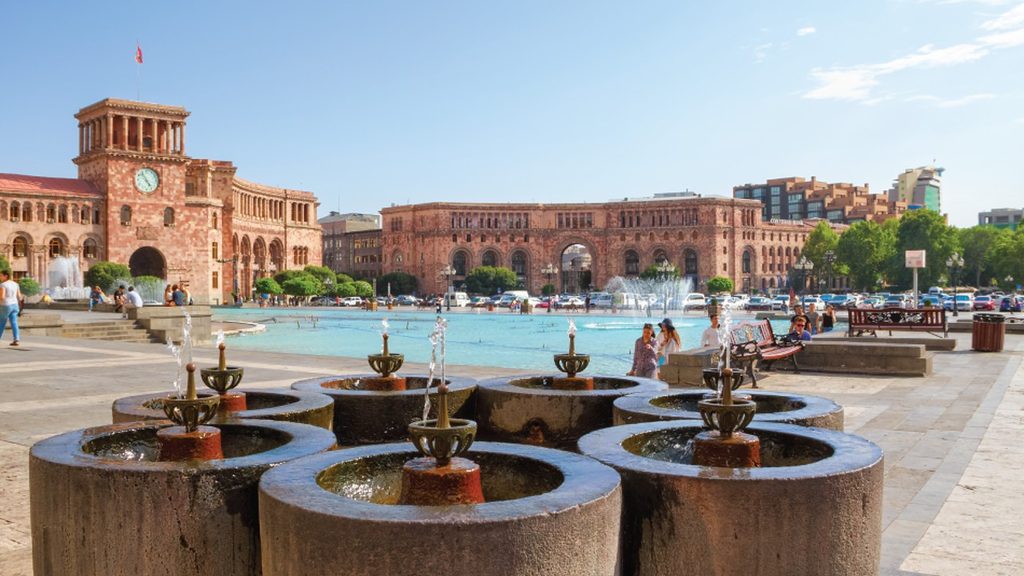
Monasteries, mosques and memorials – Yerevan is a fascinating city that hums with history. And this city, the capital of Armenia, is also moving towards a green and climate-resilient future. They are investing in energy-efficient buildings, in sustainable mobility, and citizen-driven urban innovation. What particular challenges a post-soviet city is facing when it comes to energy and urban planning? Yerevan joined Energy Cities in 2025 – so how does an Armenian city with more than 1 million inhabitants look towards the EU and its common and emerging energy practices?
In this episode, Aneta Babayan, Director of Yerevan’s Urban Development Agency, takes listeners inside the Armenian capital’s ambitious effort to become more energy-efficient, climate-resilient and liveable. Aneta and her team are operating for the municipality and they manage Yerevan’s major city-scale projects.
Yerevan’s Soviet legacy is neither treated as a burden nor romanticised. The city’s urban forms, densely built areas, the metro, as much as a strong professional engineering culture offer a strong base for action. Yet ageing, energy-intensive buildings, fragmented heating, outdated transport, congestion and divided responsibilities between municipal and national authorities make every climate project a coordination challenge.
Aneta talks about a major urban project that is transforming public buildings across Yerevan. Its first phase is now complete. Kindergartens have been built or fully renovated, and forty seven public buildings are now more comfortable and energy efficient solar panels, water heating systems, modern boilers and efficient lighting are creating better places for children to learn and play and for stuff to work. The second phase will bring these improvements to thirty two more kindergartens and six healthcare centres. It could cut carbon emissions by up to three thousand three hundred tonnes every year.
In parallel, the Urban Development Team of Yerevan is implementing a mobility program that will change the way people move around the Armenian capital. As you can hear from Aneta, getting around Yerevan without a private car is about to become much easier. The city is upgrading the metro and working on new stations. They are also bringing in electric buses, building charging points and creating dedicated lanes for public transport.
The scale of the response makes Yerevan an important example for the South Caucasus and the wider Covenant of Mayors East region. With EU and international financing, the city is preparing or delivering major investments in public buildings and mobility. And for civil servants in cities further ahead in the transition, this episode offers a valuable change of perspective.
This episode was made possible by Energy Cities and the EU-funded Covenant of Mayors East to which the Municipality of Yerevan belongs. This Eastern Partnership initiative is uniting local and regional authorities from Armenia, Azerbaijan, Georgia, Moldova and Ukraine around energy and climate action: https://com-east.eu