Homegrown energy renovation in Namur
Street-by-street renovation for collective action
 Fossil-free cities

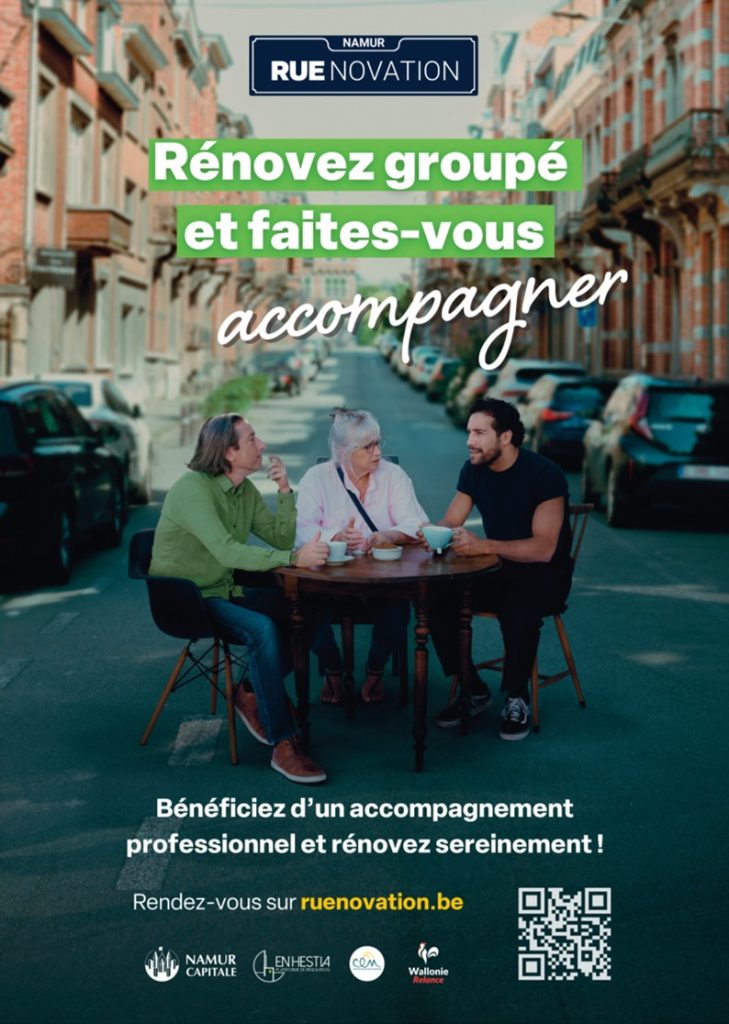
Homegrown energy goes hand in hand with using less energy: and saving energy starts with the buildings we live in, our homes. But not everyone can renovate alone: there is a need for resources and most people need guidance and, even better, a group to get going. That’s the idea behind “Ruenovation” in the Belgian city of Namur (“rue” is French for street).
In this episode of City Stories, Miriam Eisermann talks to Xavier Gillon, co-founder of the citizen association CEN (“Ceinture Energetique Namuroise”, in English: Namur’s Energy Belt), about Ruenovation. It was a pilot project in the Belgian city of Namur (around 115,000 inhabitants) that guided residents through home renovation in groups. The City and partners like the citizen association CEN helped neighbours in their journey from energy audit to works.
From a carpool initiative to a citizen panel
The citizen association CEN began in 2019, when a few citizens estimated the Namur region’s energy independence during a carpool. It came to just 3%. That meant 97% of the energy used, including fuel for cars, heating and industry, was imported. The association has since grown from five to 25 volunteers. Its first major project, funded by the municipality, was a citizen panel on energy independence, possibly the first in the world on this topic. Around 40 citizens drafted recommendations, and political parties put some of them into their programmes for the 2024 municipal elections.
“We ended almost as friends.”
The partnership between the association and the municipality was intense and fruitful. Xavier from CEN said all people involved had become close partners, ‘almost friends’, and were sad when the project ended. The municipality led Ruenovation and brought in departments such as urban planning. The EnHestia platform did the energy audits and technical guidance. CEN mobilised citizens and ran workshops on cutting energy use before and after insulation. The municipality brought reputation and communication power. The small non-profit brought flexibility and speed.
One lady had held quotes for three years. After one year in the project, she chose her company and finally moved on.
Xavier Gillon, CEN
Key facts and results
- Half of the participants came through face-to-face contact (stands at fairs, neighbourhood evenings announced with flyers). The other half came through social media and the website.
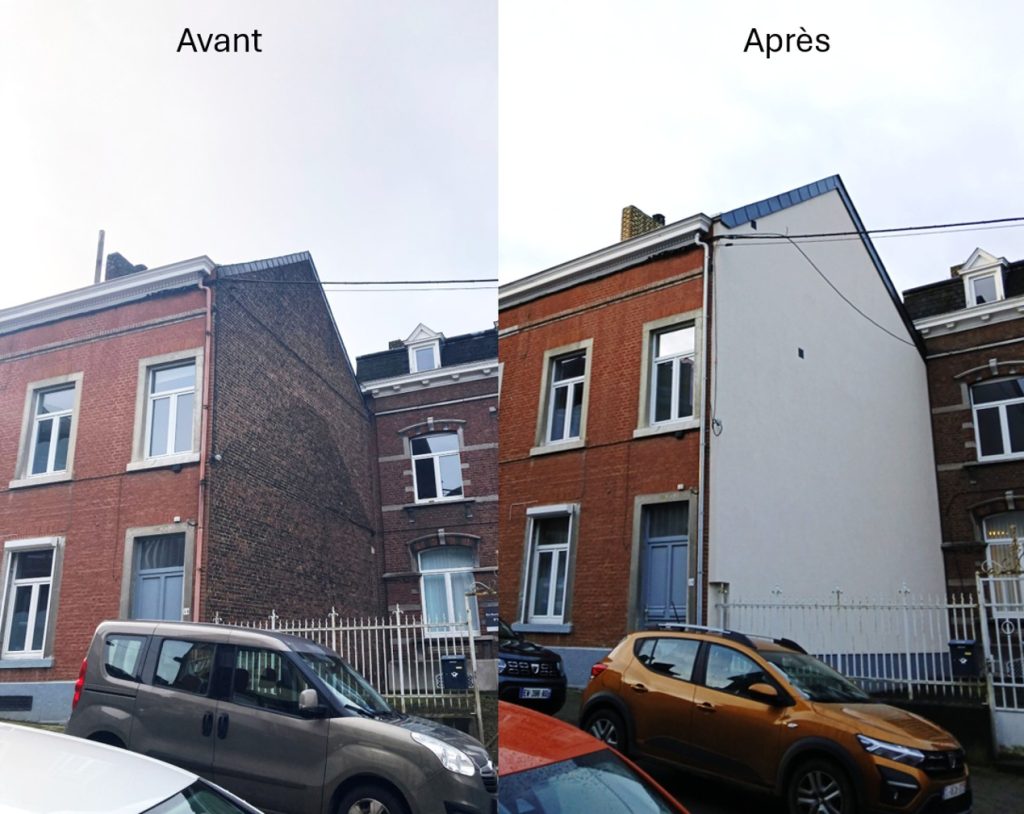
- 25 citizens were guided in small groups. About half have completed their renovation, and most of the others have works under way or nearly done.
- A third scheme brought 15 citizens together in one larger group. Their progress is still to be followed up.
- Groups suggested contractors themselves and got help comparing offers. Some chose the same company. Others split, for example between biomass insulation and the lowest price.
Lessons for city practitioners
- Keep the scale flexible. Streets ranged from five to 1,000 houses, so the street idea gave way to neighbourhoods, then the whole municipality.
- Form the groups yourself. Letting people apply individually and grouping them afterwards worked better than asking for ready-made groups.
- Use the city’s name to counter scams. Communication ran under the municipality’s name, backed by in-person contact and a video showing the real people behind the project.
- Segment one-stop shop services. Some residents only need answers, while others need intermediate or full support. Group guidance speeds people up: knowing the next meeting will compare offers pushes them to collect quotes.
- Support self-renovation, since money and workers are both scarce.
- Look beyond insulation. Work on how people heat their homes (“slow heat” concept) as part of energy sufficiency.
This episode has been made possible thanks to the European project EU Peers : one-stop shops for home energy renovations across Europe. Join its Community of Practice to give or take knowledge around renovation action. You’ll find everything on the website. EU Peers is funded by the EU’s LIFE program.
For more inspiration for Homegrown Energy in, by and with local authorities, you may check out our 10 stories from different European cities.
