Empowering cities, engaging citizens
The SPARKLE School in Guimarães explore how citizen engagement and private-sector mobilisation can make climate action faster, fairer, and built to last
 Local governance
About

Wouldn’t the green transition be faster and fairer if governments involved citizens from the start?
That question ran through two days in Guimarães (Portugal), EU Green Capital 2026, during the SPARKLE School A green transition for all: empowering participatory governance for future-proof cities, held on 28-29 April 2026. Committed local authorities from across Europe came together to explore how citizen engagement, integrated planning, and multi-level governance can help municipalities design and deliver climate strategies built to last.
Citizen engagement as a cornerstone of climate governance
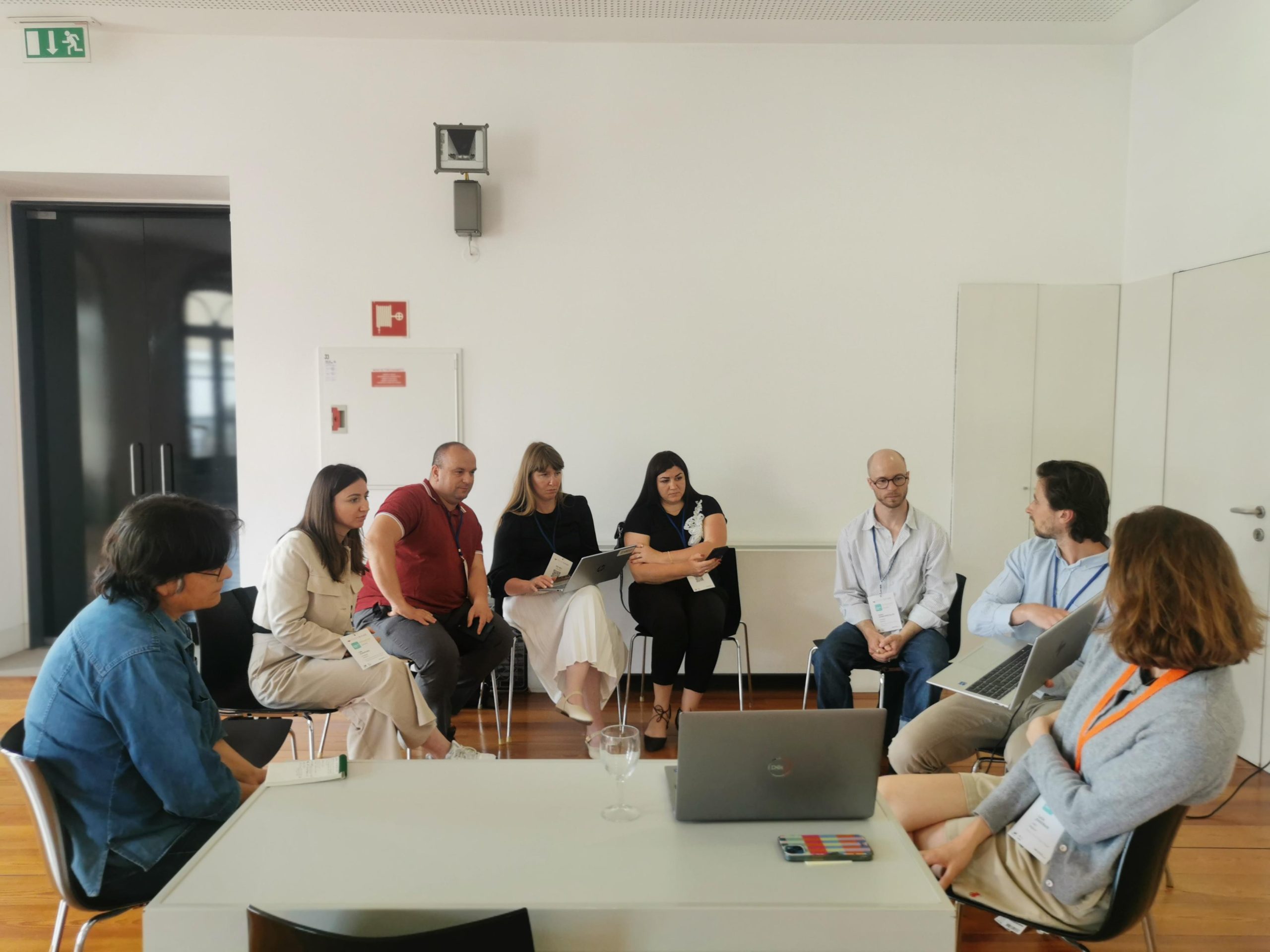
The first day placed citizen engagement at the heart of effective climate governance, with city representatives sharing first-hand experiences of participatory initiatives through an interactive presentation.
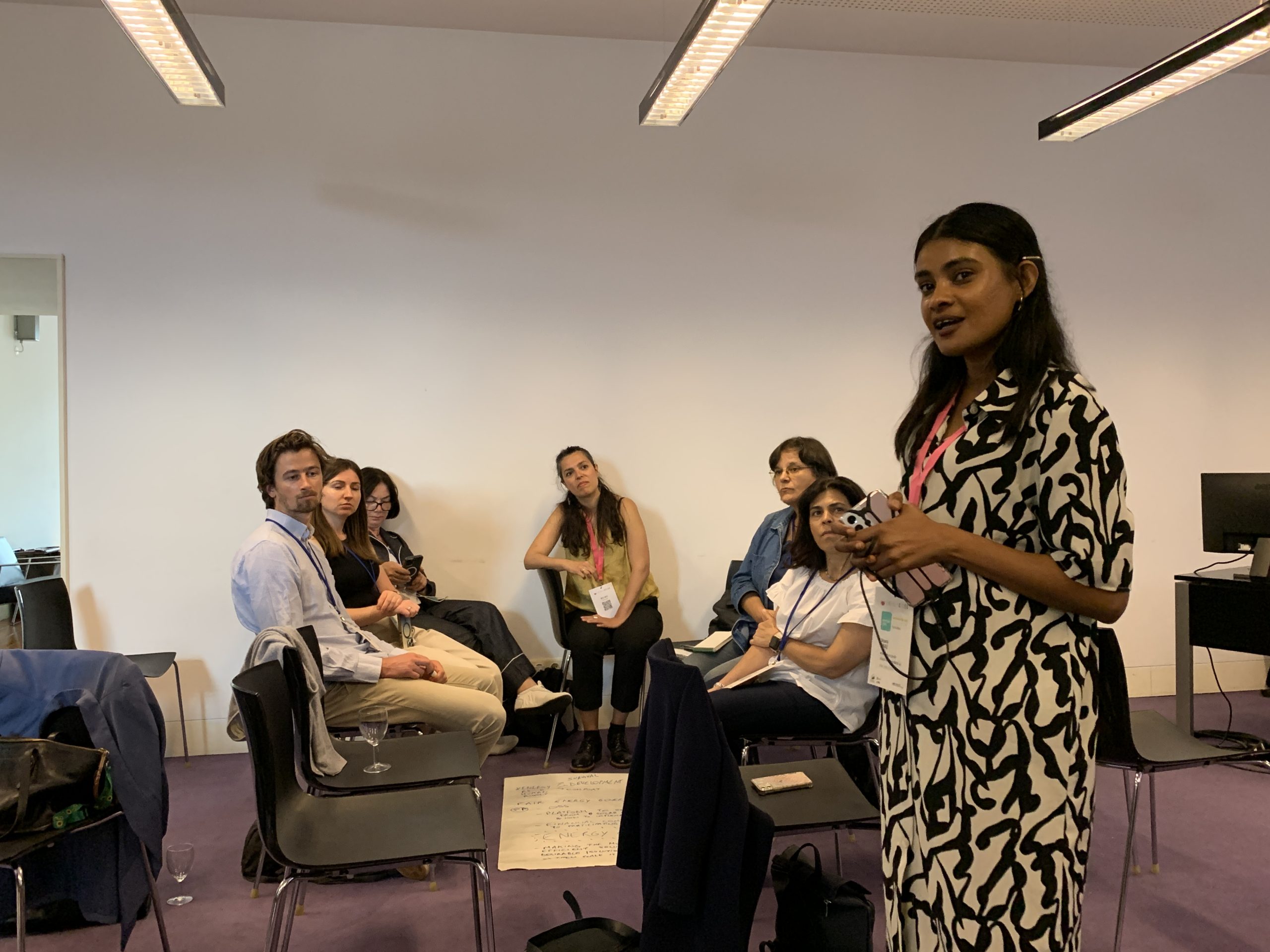
Noora Firaq, Board Director of Westmill Wind Farm Co-operative and expert on UN Paris Agreement Article 12, explained why citizens’ assemblies and participatory budgeting are proven tools for building trust around climate action – provided they are carefully designed and followed through, so that input translates into real impact.
A role-play exercise reinforced the idea that governance innovation is best learned experientially, giving participants concrete starting points to bring back to their own cities.
Finally, it’s hard to act without the right information. Data and digital tools can strengthen decision-making, but only if they are made accessible and meaningful to citizens, not just to technical staff.
Mobilising the private sector around a shared climate agenda
The second day shifted focus to how local authorities can bring businesses and financial institutions into climate policy.
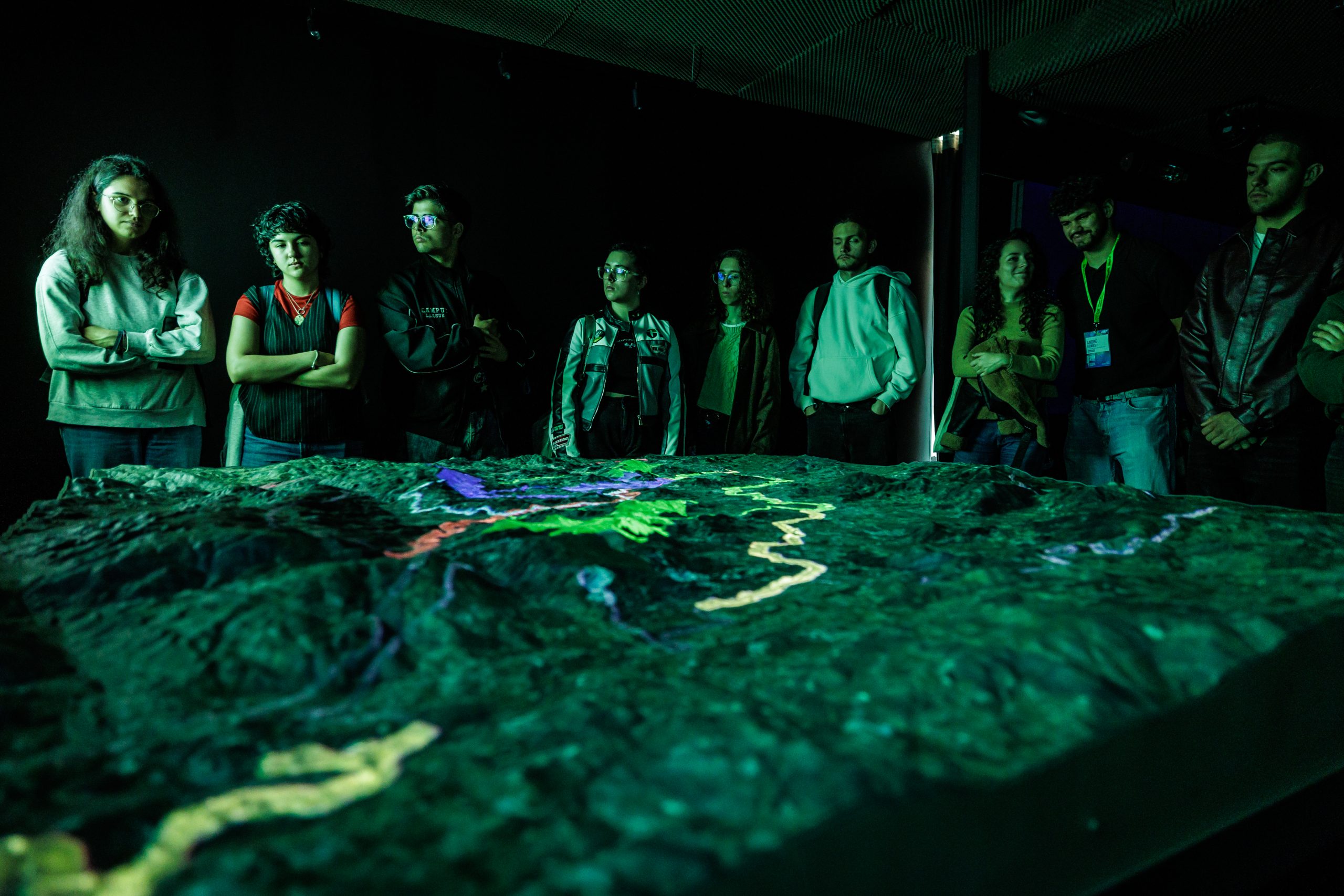
Participants visited Bairro C – Compromisso Carbono Zero (District C – Zero Carbon Commitment) to see how citizens and SMEs have been mobilised in the neighbourhood, and explored the Landscape Laboratory‘s approach to territorial and community-based planning.
A recurring message: cities don’t always need new instruments to create leverage. Integrating climate objectives into public procurement, tenders, and financing criteria can be enough – provided departments act coherently, since cross-departmental coordination is what makes private-sector engagement work in practice.
Trust-building came up again here, too. It takes time and doesn’t scale automatically – which is why small-scale pilots often succeed while scaling up remains difficult, held back by a lack of standardisation and clear points of contact.
Avoiding greenwashing means cities need to be specific and demanding when setting criteria in framework contracts and procurement. Local authorities, participants agreed, are best placed to know which criteria are meaningful for their own territory. To attract private engagement, cities can draw on several levers at once: participation in EU projects, reputational benefits, political commitment, timely opportunities, and – more structurally – reformed tax incentives that make climate investment attractive to financial institutions.

Participatory governance and private-sector are part of the same challenge
Across both days, one thread connected every session: effective climate governance – whether engaging citizens or businesses – depends on cities building trust, speaking their people’s language, and translating broad commitments into concrete, context-specific action.
Participatory governance and private-sector engagement are not separate tasks. They are two sides of the same challenge: mobilising the full range of local actors around a shared, credible climate agenda.