How should we talk about sufficiency in France, Romania and Spain?
Shared experiences from Lorient, Bistrița and Valencia, 3 Energy Cities members
 Fair economies
About

Depending on the national context, energy sufficiency can take different forms and be addressed through different topics. The size of a city, the living standards of its residents and its history all influence how sufficiency is understood and discussed. In some contexts, the term “frugality” is used instead.
Focusing on low-tech and people
Low-tech and people could well be Lorient’s motto! In partnership with the City of Lorient, the local Energy and Climate Agency has been developing actions focusing on sufficiency and development since 2023. One example is the creation of a low-tech community, which now brings together more than 200 supporters and 30 active volunteers. They regularly organise low-tech projects and awareness-raising workshops.
To engage the local business community, a collective of stakeholders from the Lorient area, coordinated by ALOEN, has been established. For the first time, 15 complementary stakeholders from the Lorient area have joined forces to work on issues related to the ecological, social and economic transition. They include chambers of commerce, construction federations and unions, and businesses.
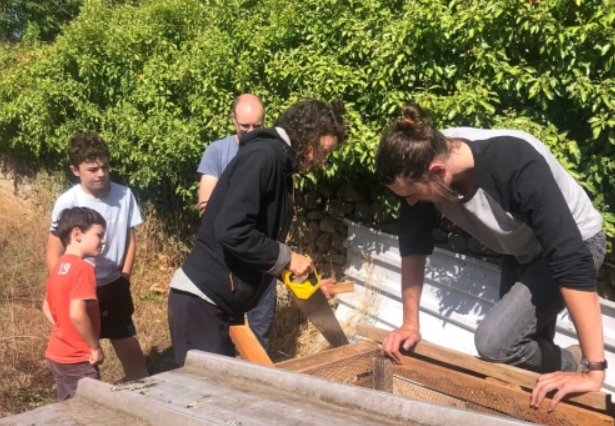
For the past two years, this group of advisers has been meeting regularly. It has already organised three mornings of inspiring workshops and discussions for business leaders, covering a range of topics related to sufficiency and development (“Ateliers de la Sobriété et de Coopération”).
Focusing on public policy
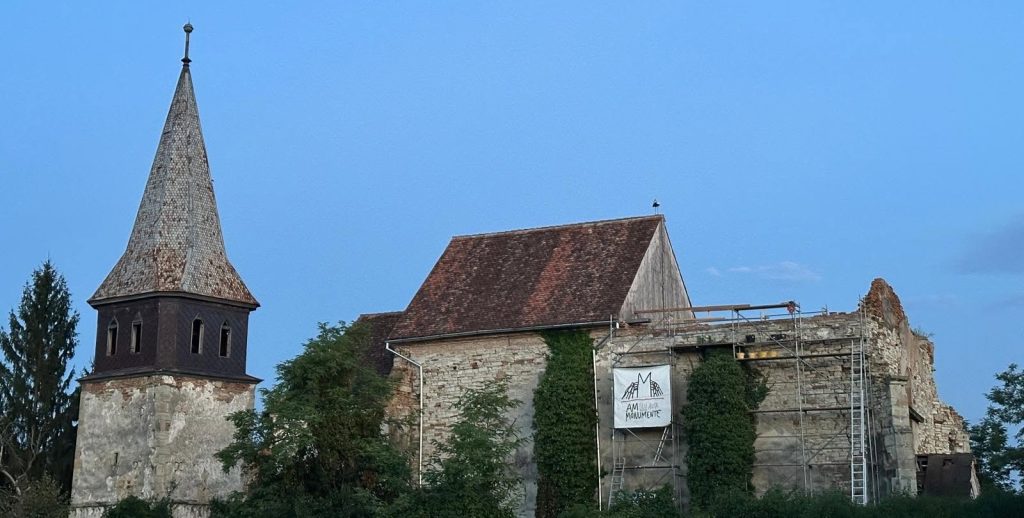
In Bistrița, energy sufficiency is closely connected to the renovation and rehabilitation of buildings in the historic city centre. The municipality of Bistrița has embedded principles of sufficiency and low-tech approaches into its local “Regeneration of the Historic Centre” public policy.
It has developed a best-practice guide for building owners. The guide provides clear recommendations on actions to take, practices to avoid, compatible materials, administrative procedures and specific requirements for preserving historic buildings. It promotes simple, appropriate and tailored solutions, bringing together heritage protection, feasibility and long-term sustainability.
Focusing on citizens
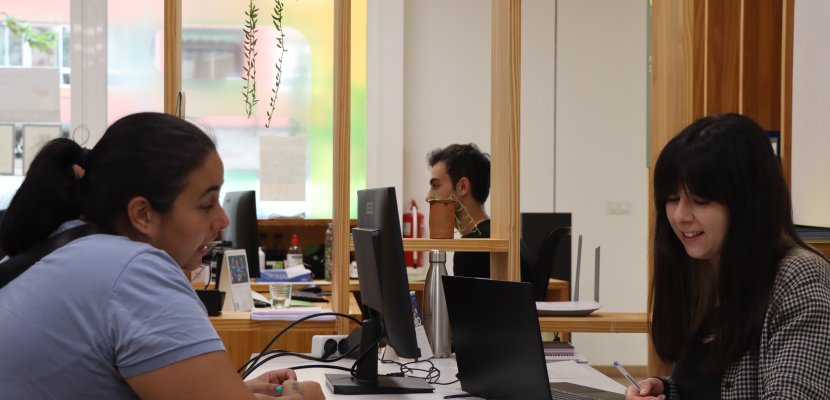
Valencia has placed its residents at the heart of actions to create the ideal conditions for behaviour change. By raising awareness, providing support and addressing social inequalities, Valencia is making sufficiency and sustainable lifestyles more accessible to all. Through its Municipal Energy Offices, Valencia offers awareness-raising activities, practical learning spaces, and initiatives promoting repair and reuse. By connecting climate action with everyday life, these activities convey a positive message and encourage residents to adopt more sustainable behaviours.
While the terminology may differ, the actions share the same goal: reducing energy use, saving resources, changing the way we consume, and developing communities!
Find out more about initiatives in these three cities and other examples of sustainable living in Europe on the FEEL project page, supported by Interreg Europe.
Featured member cities