Social business models to address local energy poverty: six cities tell their story.
How each place found its pace
 Community energy
 Fair economies
Imagine six places that set out to build their own social energy players – or at least a mindset for more collective and fair energy. “To build what”, you ask? To build social energy players, i.e. entities that produce, distribute, trade, supply, or manage energy to support low-income and marginalised people. This is what happened over the past 4 years in POWER UP: municipalities were in the lead with the idea to make energy affordable also thanks to early involvement of future users in the energy service design. A brochure now follows the journey in Valencia, Roznov, Eeklo, Campania, Heerlen and North Macedonian towns: step-by-step it takes the reader through the creation of those municipal initiatives to make renewable energy affordable for those who cannot afford it easily. It also describes the political frameworks in place and the challenges that remain.
The work by municipal partners rarely began in ideal conditions: Some teams inherited broken PV plants, others faced political doubt, fragile institutions, or communities expressing mistrust. The innovative aspect of the project, with co-creation at its core, was both ambition-driver and complexifier. Yet each place found its own pace and a business (investment) model that suited the area and its needs. Some moved fast, others had to slow down. Some leaned on long-standing cooperatives like the Belgian city of Eeklo, others had to create the very idea of shared energy from scratch like Roznov in Czech Republic. What emerges is a layered story of experimentation, resourcefulness, and respect, where renewable energy becomes a concrete pathway out of energy hardship and systemic failures.
Takeaways from the cities that are involved in the POWER UP project and inspiration for whoever believes in collective energy
Pilots’ work on viable business or investment models was combined with
- Co-creation workshops: The potential beneficiaries of the new energy service were invited to provide their feedback on the planned service and their needs. It was all about: who is being involved and who is at risk of being left behind? Pilots witnessed that it is a challenge to move from consultation to empowerment.
- Energy poverty mitigation measures: households in vulnerable situations from the pilot area received energy advice and diverse types of support to alleviate the local energy poverty situation. Obviously, advice was adapted to their personal needs as, very often, they were very energy conscious already.
Campania Pilot (Italy): Designing a renewable energy community by activating local players
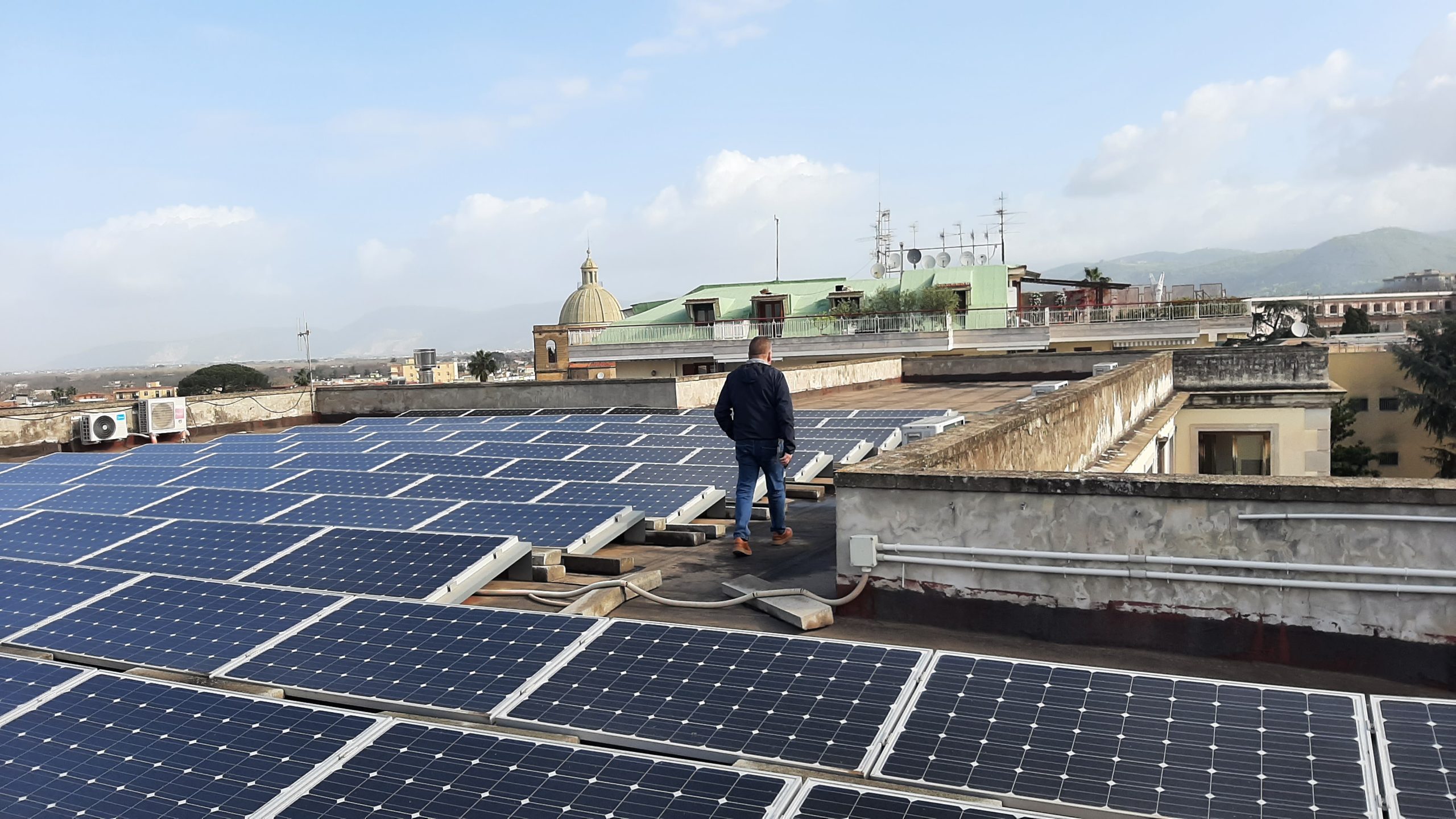
In Campania, the transition started slowly but ended with the creation of South Italy’s first energy community. Two small municipalities stitched together what remained: 156 kWp of neglected PV brought back to life, and a 441 kWp plant planned on land seized from organised crime. As of now, households in vulnerable situations will participate and benefit from revenues coming from national energy-sharing incentives. The turning point came from people rather than infrastructure: social workers, local associations, and an energy helpdesk that guides people in their energy decisions. Small pieces, held together by trust and perseverance.
Valencia Pilot (Spain): Municipal engagement and strategy to foster citizen community power
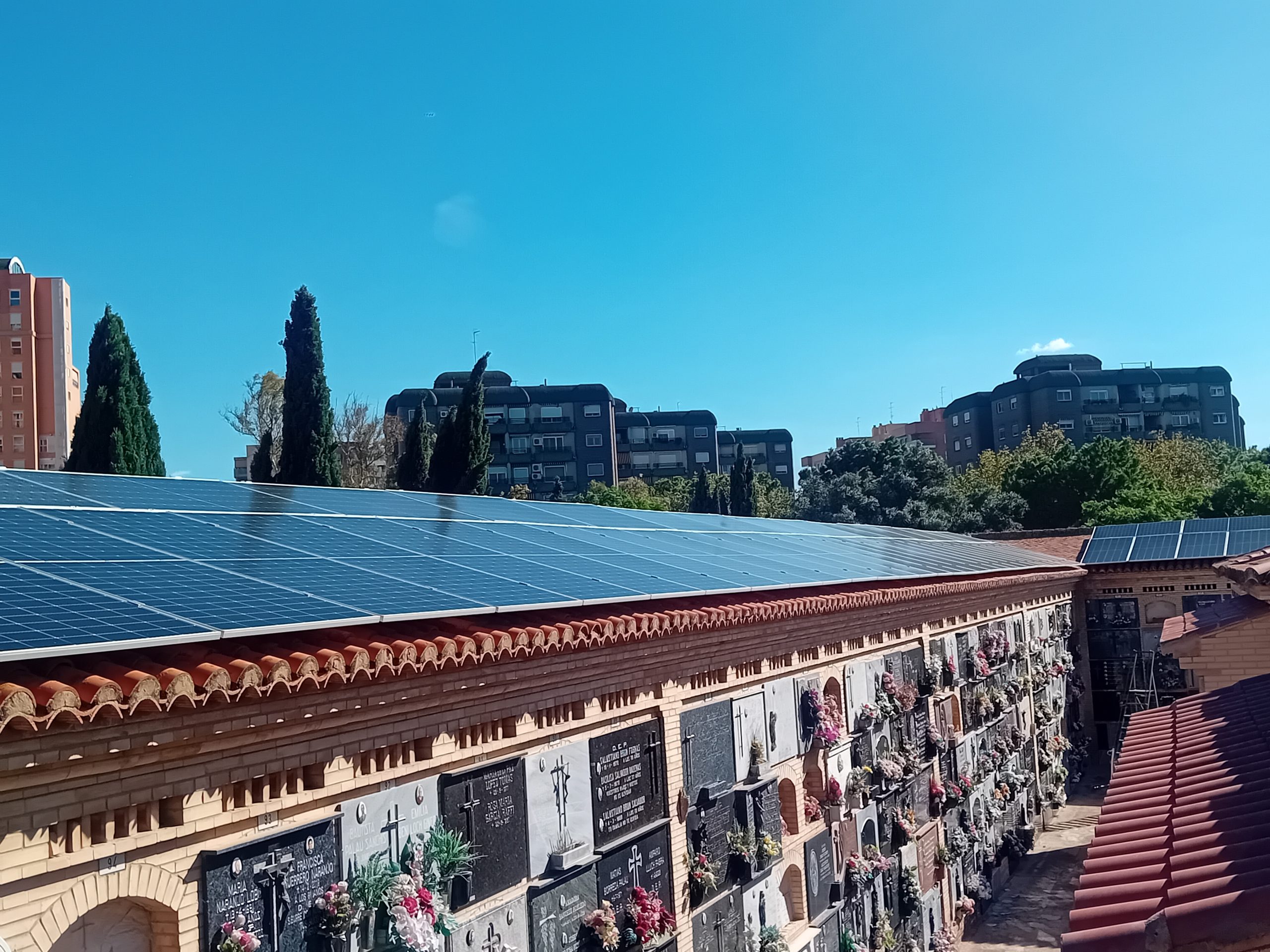
Valencia told a different story. Scale came first. Five cemeteries will host up to 2.5 MW of municipal solar, with 25% of the electricity shared free of charge with neighbouring households in need. In parallel, the city supported energy community initiatives across the area. Energy advisors were either available in one of the energy offices or they went door-to-door, sat at kitchen tables, and helped families understand their bills and access social tariffs. New internal rules allowed the social and energy departments to work together and, even more, to make public roofs available for citizen-led energy production. Is there a better way to make the right to energy tangible?
Eeklo Pilot (Belgium): Energy services for vulnerable households – a joint (ad)venture between city and energy cooperative in times of fluctuating market conditions
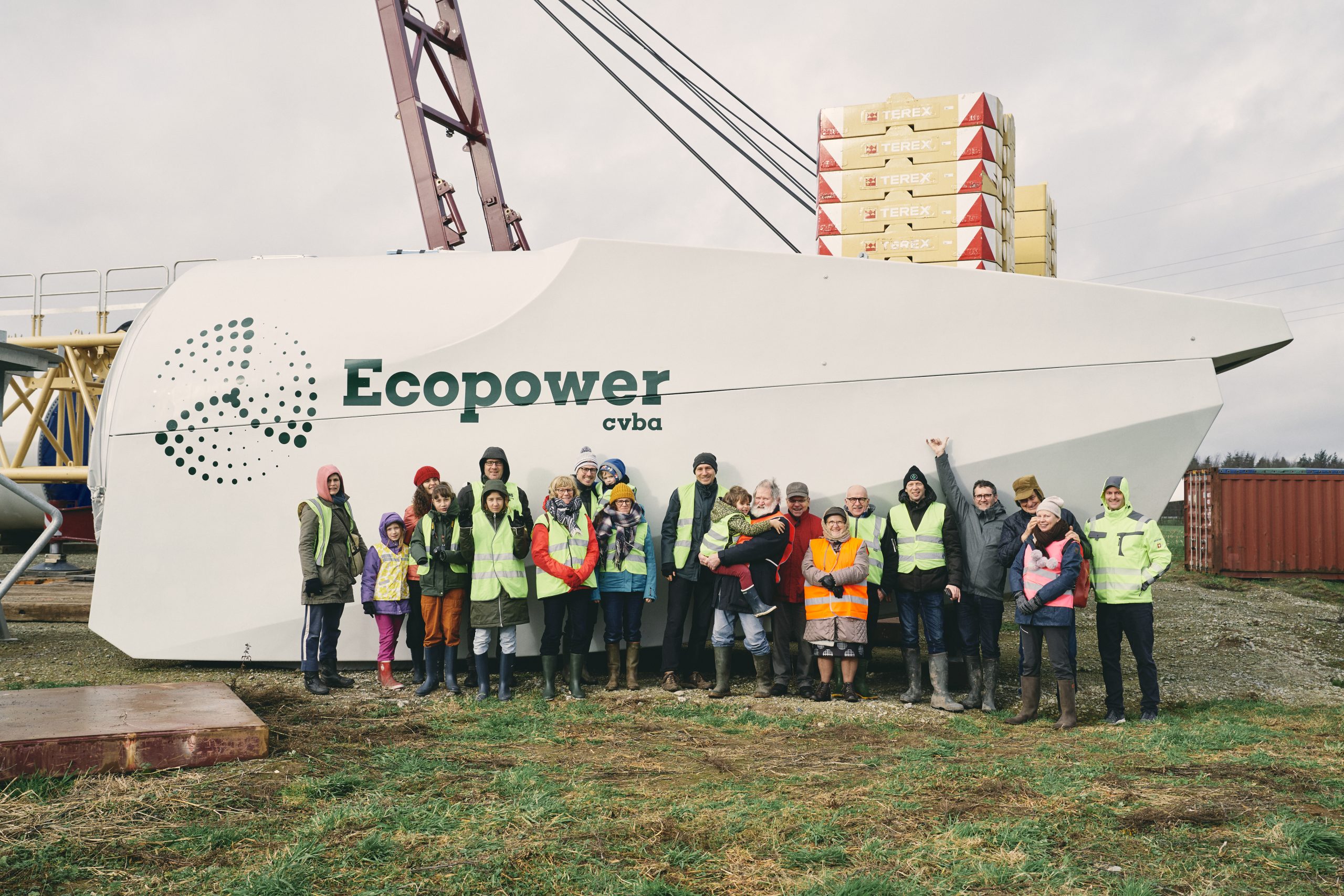
In Eeklo, momentum grew from the municipal will to create more social equity. The city used its stake in a wind turbine to pre-finance cooperative shares for households in vulnerable situations. A small plug-and-play PV panel, funded by Ecopower’s social fund, will additionally help each interested family reduce grid consumption. Engagement happened over WhatsApp messages, neighbourhood soups, and conversations with social workers. The model moved forward because people recognised themselves in it.
Rožnov pod Radhoštěm Pilot (Czech Republic): Collective PV in social housing – innovating in smaller municipalities
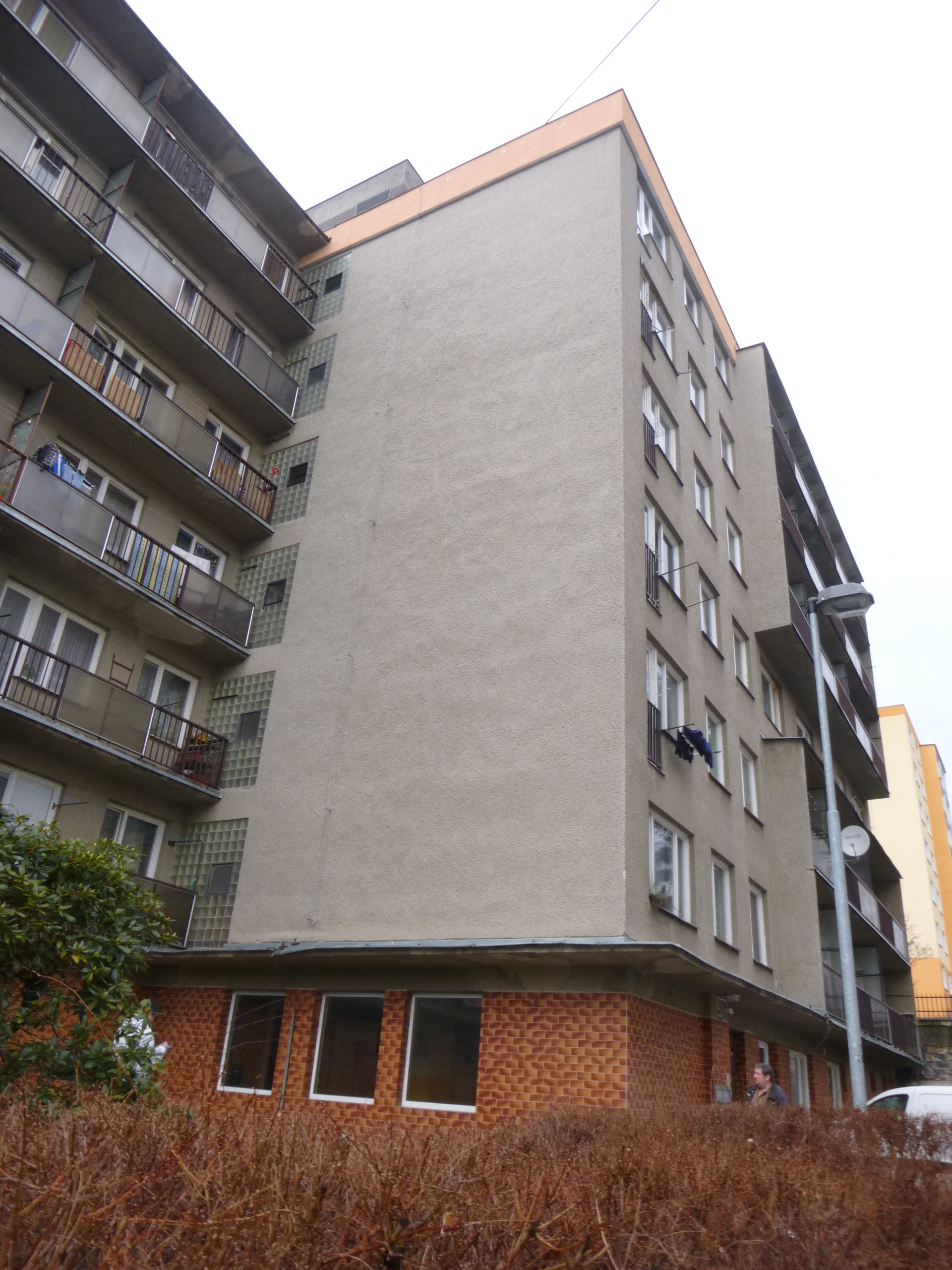
Rožnov chose to begin with one building. A rooftop PV installation on a social housing block demonstrated that collective self-consumption can work for tenants. 11 households now benefit from this self-produced energy. Subsidies from the National Green Savings Fund and municipal investment kept costs manageable. Workshops, public stands, and a new one-stop shop created a culture of participation around the model. After this successful demonstration project, the city council is about to imagine a follower and will soon look out for a second building to be fille with collective energy.
Observer city Heerlen (Netherlands): inclusive outreach and energy poverty mitigation in a post-coal town
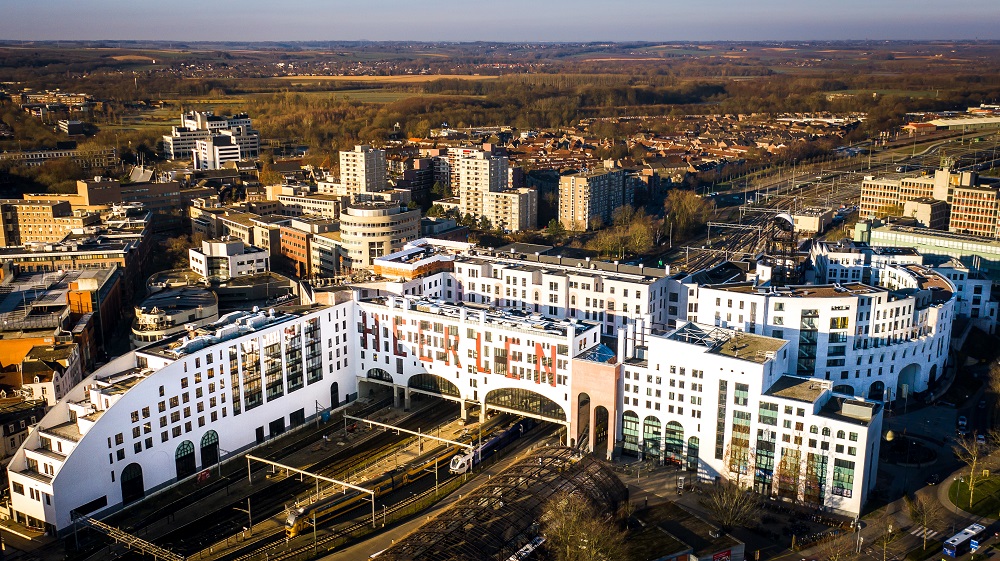
The team in Heerlen faced delays and shifting regulations. Instead of abandoning the work, the team kept on raising awareness of energy community benefits and knowledge-sharing events with peers. Their experience shows that groundwork and coalition-building are an essential part of the transition, especially when the legal framework is in flux.
Observer cities in North Macedonia: tackling energy poverty in a non-EU country
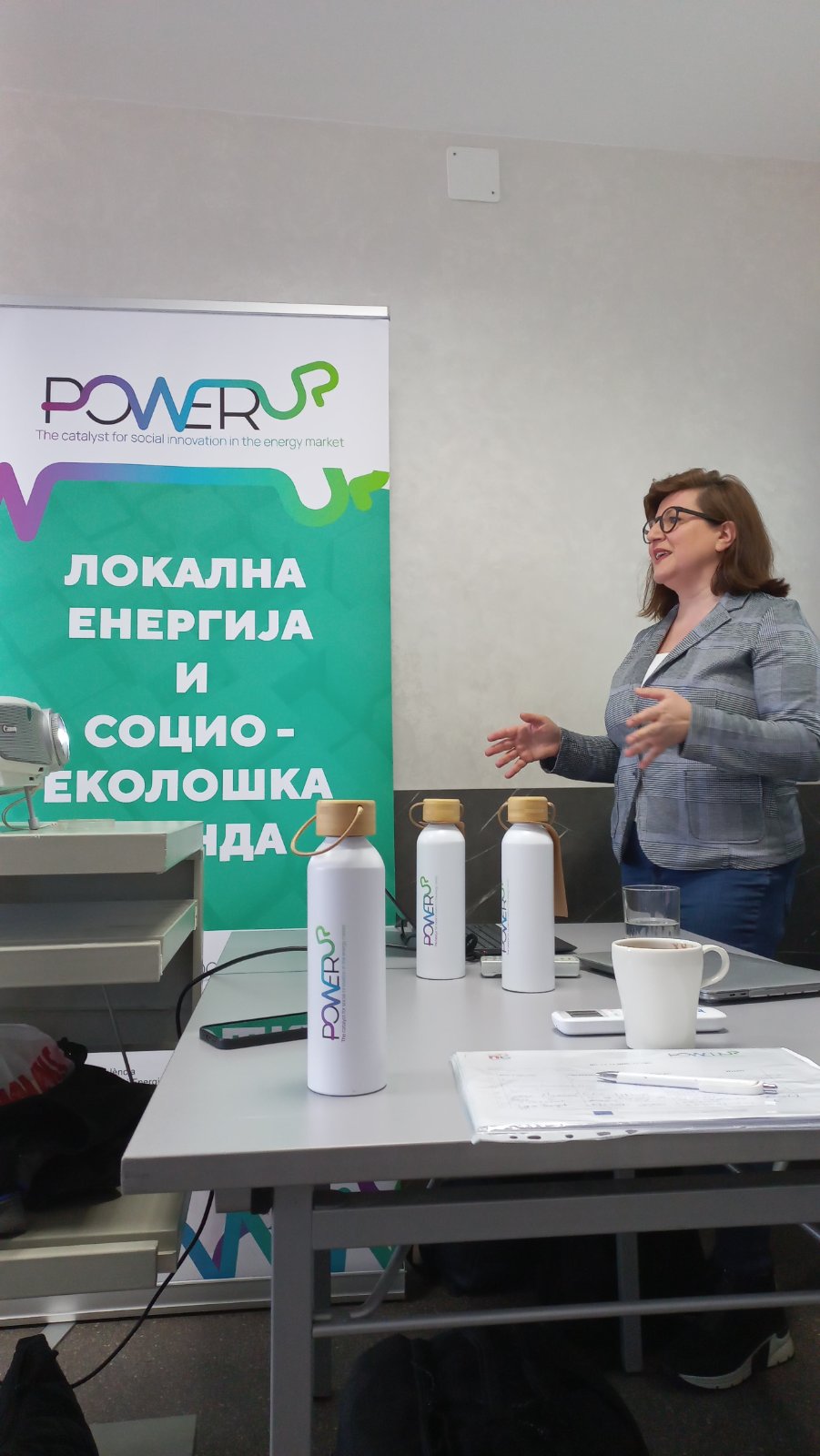
In Centar, Valandovo, and Štip, the starting point was different. There were no energy communities, little urgency, and limited institutional capacity. The project partner Macedonian Energy Poverty Network MPPS responded by building skills and awareness. Workshops gathered municipal staff, teachers, NGOs, and residents. A new energy office opened in Centar. People began to see energy as a shared responsibility. Foundations were laid for future collective projects.
Across these six sites, the thread is clear: Social energy players can grow when municipal teams are willing to push boundaries, to experiment new ways of doing. They are made possible when trusted intermediaries are involved.
POWER UP was co-funded by the EU Horizon 2020 program.