Boosting, connecting, decoding, and celebrating: Energy Cities’ 35th year has truly been a bit of all that.
This year, Energy Cities turned 35. 35 years of commitment to supporting municipalities of all sizes and locations in going the extra mile towards climate neutrality.
 Local governance
 Fossil-free cities
 Community energy
 Food systems
 Fair economies
About

This year, Energy Cities turned 35. 35 years of commitment to supporting municipalities of all sizes and locations in going the extra mile towards climate neutrality. To give local authorities every possible card in hand, we boost their skills, connect them with peers, decode complex EU regulations to make them understandable and actionable at the local level, and celebrate their successes so they can inspire others.
Here is a look back at this special year.
BOOSTING skills
In April 2025, we launched the Local Transition Learning Centre, an online platform offering a growing catalogue of courses tailored to the needs of municipalities. To date, we have developed over 25 courses on core transition topics such as transition management, energy communities, financial planning, citizens’ engagement and urban regeneration, with several available in national languages.
Beyond online learning, we are preparing our first in-person schools for 2026. Civil servants can apply to attend free of charge, develop their expertise on specific transition topics, and immerse themselves in a host city with hands-on achievements to share.
CONNECTING (with) our members
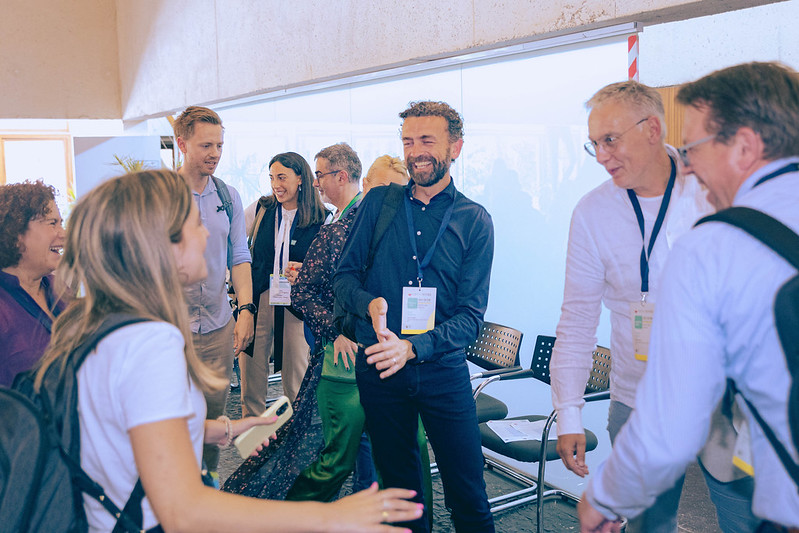
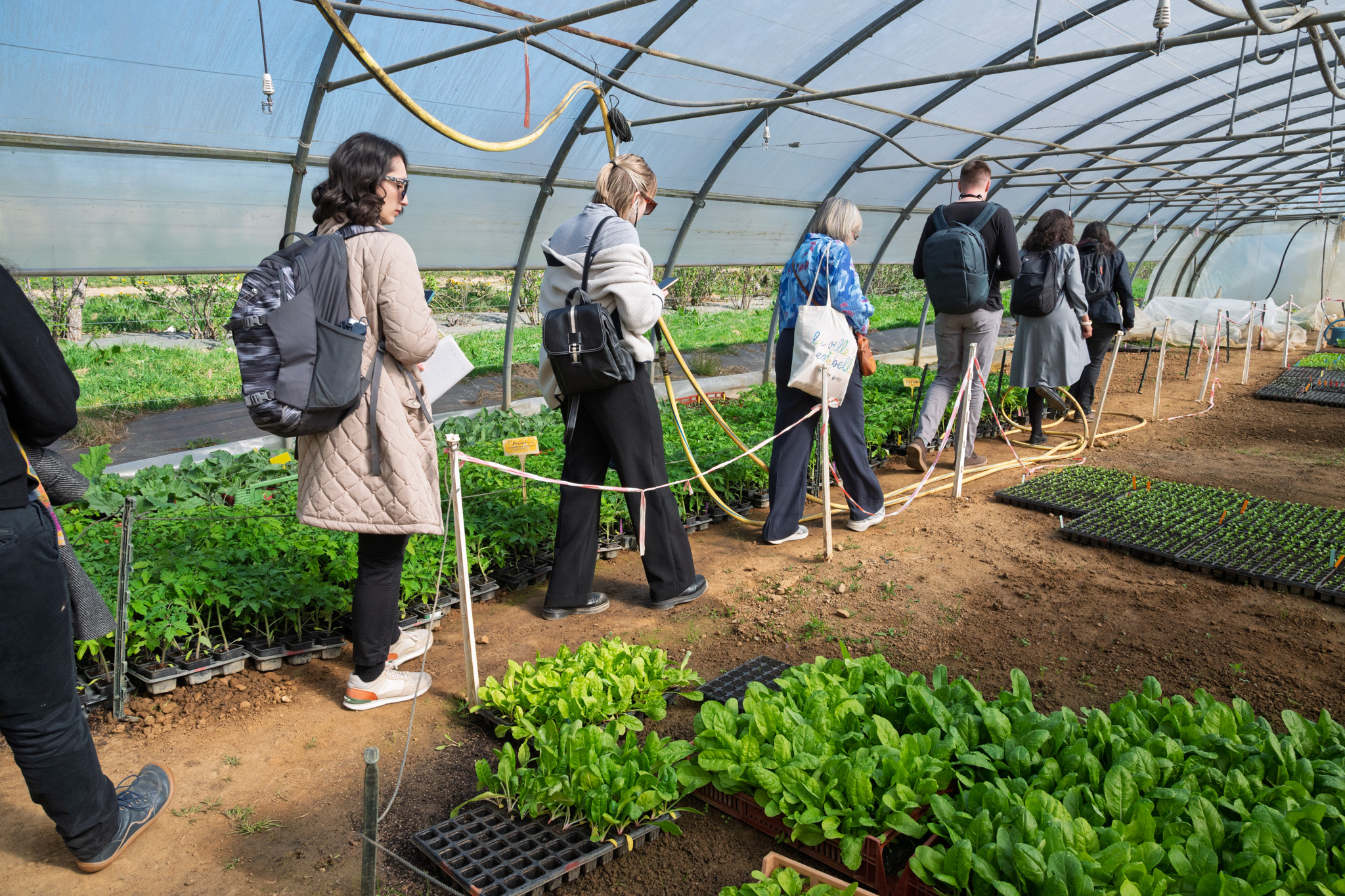
In April 2025, we welcomed all our members to Besançon, our birthplace, to weave connections and celebrate 35 years of progress. The city guided participants through its green infrastructure, showcasing achievements in heating systems, waste management, climate adaptation, local food production, and building retrofits using recycled materials.
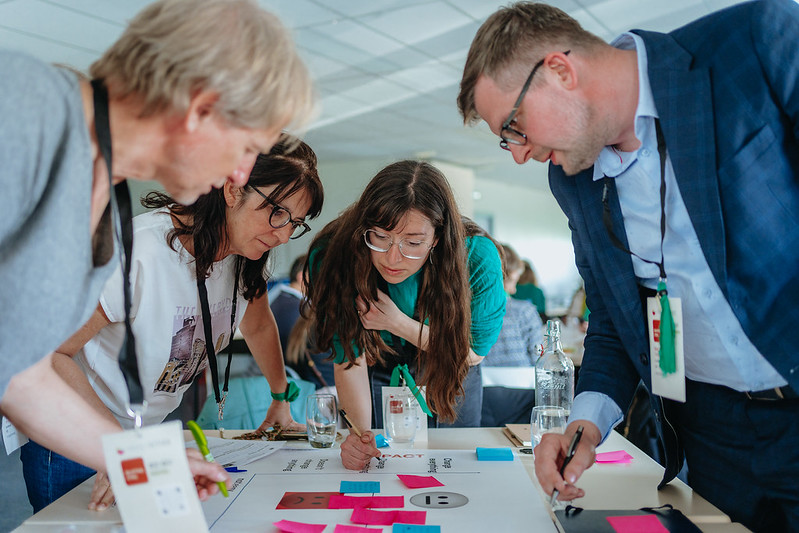
Civil servants, energy agencies, and elected representatives had the opportunity to meet their peers and address concrete challenges from their local contexts. Dedicated matchmaking sessions and exclusive exchanges provided space for meaningful dialogue.
We are also delighted to count 20 new members in our network this year, continuing to grow our community of urban practitioners all over Europe and beyond.
I am attending the Energy Cities forum this year to learn from other people and be inspired by other people. I leave with plenty of good ideas for the future
Ciaran Murphy, Executive Manager, research, development and innovation at CODEMA, Dublin’s Energy Agency during Energy Cities 2025 Annual Forum
DECODING EU policies and making them work for municipalities
The transition happens locally, in the streets, buildings, homes, and parks of our cities. Yet for many local authorities, EU regulations can remain opaque and are rarely accompanied by adequate resources.
This year, we decoded several complex EU policies supporting cities, including the revision of the Energy Performance of Buildings Directive (EPBD), and the proposal for the next Multiannual Financial Framework.
We stepped up our advocacy to ensure EU policies better respond to local governments’ needs, securing some guarantees in the new EU Agenda for Cities and partnering with the Local Alliance to strengthen cities’ position in the upcoming MFF negotiations. We brought mayors to the centre stage in Brussels with the 2025 EU Covenant of Mayors Ceremony, gathering hundreds of mayors and opened by three EU Presidents.
We worked with coalitions to issue recommendations to ensure that cities’ needs and potential are fully recognised in the EU’s upcoming Heating and Cooling Strategy and Citizen Energy Package. We also continued to monitor national transposition of EU legislation, particularly on the obligation for local heating and cooling planning – calling out Member States for insufficient support and limited ambition in enabling municipalities’ decarbonisation efforts.
Throughout the year, we delved into major challenges at the heart of cities’ agenda, such as participatory governance, heating and cooling decarbonisation strategies, energy poverty, the wise use of the resources, the housing crisis or adaptation, zooming in on the question of urban cooling.
“Adaptation is one of the greatest challenges we are facing as a city. Energy Cities is the best platform to find answers and collaborate with other cities around Europe.“
Giorgos Stefas, Develop Athens, head of the European department during Energy Cities 2025 Annual forum.
CELEBRATING our members
Turning 35 was only the beginning. In September, we celebrated our member Aradippou (CY) for becoming 100% powered by renewables.
Many of our members also received prestigious awards for their climate and energy actions. Guimarães (PT) was named 2026 European Green Capital; Assen (NL) was awarded the 2027 Green Leaf; Križevci (HR) received a New European Bauhaus Prize for retrofitting a former military dormitory; Mechelen (BE) won the 2025 EUSEW Local Energy Action Award for its energy community and the Covenant of Mayors Award for its heating and cooling decarbonisation strategy. Most recently, the Métropole of Lyon (FR) achieved the highest distinction of the European Energy Award, obtaining the “gold” label and joining the ranks of other French Energy Cities members that have reached this level.
And beyond awards, we are proud to collaborate with our members through multiple EU-funded projects, continuing to write the story of Europe’s transition together.
Together we can move toward a more sustainable and safer Europe, and maybe that’s what the European dream is about.
Mohamed Ridouani, Energy Cities President and Mayor of Leuven during the gala dinner at Energy Cities 2025 Annual Forum
At Energy Cities, we are a proud and committed team, working every day to ensure that cities are equipped, supported, heard, and actively involved in shaping EU policies.
We look forward to seeing you again next year in Guimarães for our Annual Forum, and to unveiling new services for our members in 2026.
Would you like to accelerate your transition and get inspired by others? Join us