Heating Tallinn Beyond Gas
Aare Vabamägi on Tallinn’s transition towards emission-free district heating
 Fossil-free cities
About

Tallinn, European Green Capital 2023, shows how a long-term climate vision can quickly translate into real progress on heating decarbonisation. The city aims for climate neutrality by 2050 and a fully decarbonised district heating system by 2030. Today, around 70% of its district heating, which covers two-thirds of households, is supplied from renewable sources.
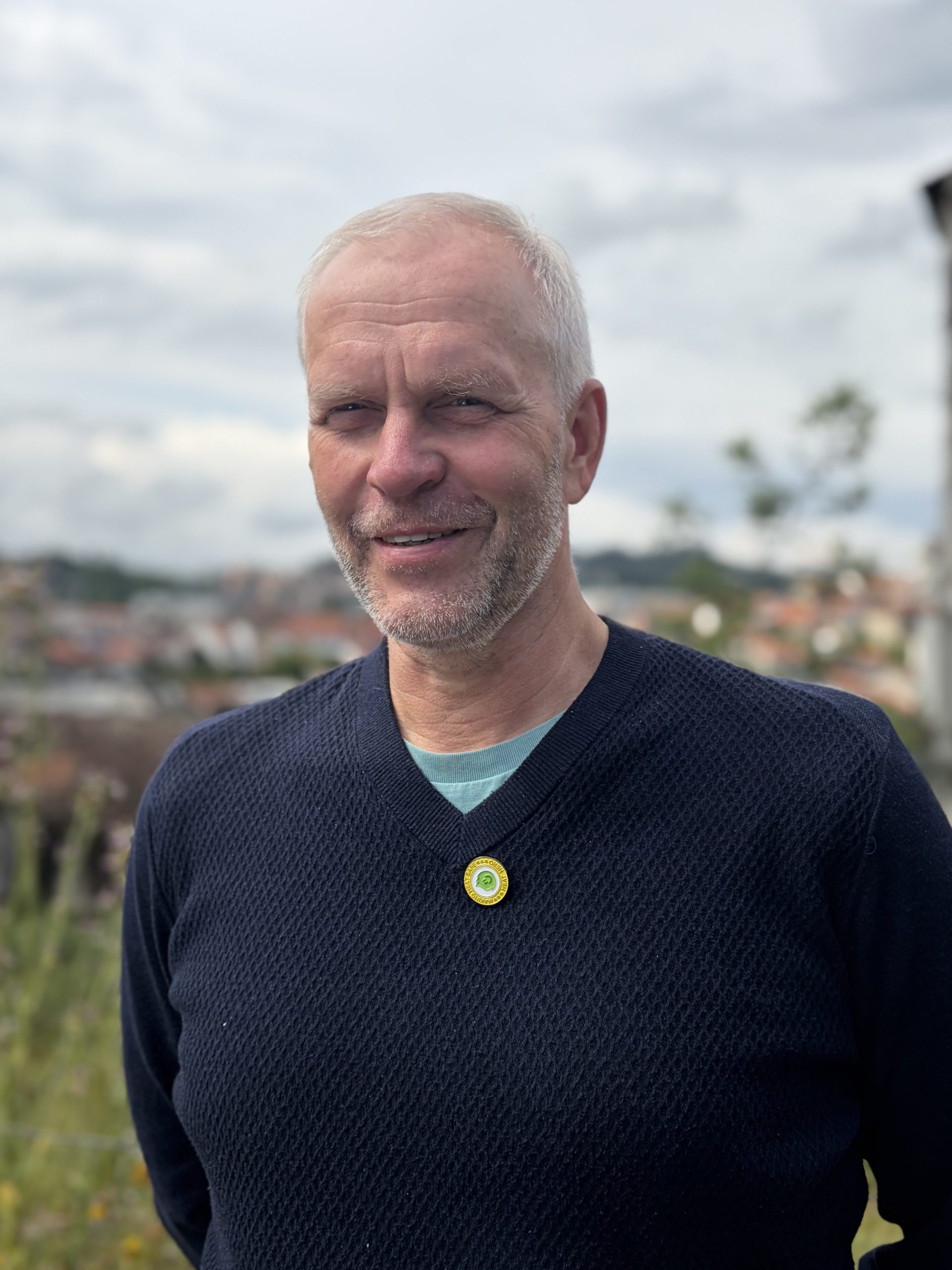
Let’s dive into our conversation with our Heat Hero, Aare Vabamägi, Energy Efficiency Project Manager for the City of Tallinn. With over 40 years of experience in thermal energy and a long-standing “green DH philosophy”, he shares insights into how this transition is being implemented on the ground, and what it looks like from the inside – the collaboration, daily decisions, and practical challenges behind making clean heat a reality for the city.
What is your role, and how do you contribute to your city’s heat decarbonisation efforts?
My role is to plan and analyse the energy consumption and emissions of city-owned buildings and, based on that, propose to the City Property Management Department the planning of new district heating (DH) main pipelines to connect city-owned buildings to an emission-free DH system. If the heat is emission-free, the majority of building emissions is also avoided.
Who are the different people involved in making the heat transition happen in your city, and how do you work together?
The main partner is our DH provider, Utilitas Tallinn. We have very good cooperation. The company has the same targets as the city – to become emission-free by 2030, even before us! But the city has other areas to address beyond heating.
The City Property Department is also strongly involved, and this cooperation is inspiring.
What is the most important aspect of this work for you personally? What gives you hope or motivation to keep pushing the transition forward?
I really care that the environment in the city is clean and that our energy is produced from local renewable sources, as this also supports our national and EU economy. We do not have gas – so why use it if there are cleaner and more local renewable sources available?
What would you want people to understand about the effort happening behind the scenes?
By using local renewable sources, financial resources will stay within the country and support the local economy in many ways. Low- or zero-emission energy carriers will bring us a cleaner environment.
How is your team ensuring the heat transition is fair and inclusive, especially for households facing rising energy costs?
Clean heat should be used efficiently, as this leads to lower energy costs. With deep renovation of buildings, 50% heat energy savings have been measured in hundreds of examples. This means lower energy bills, even if energy prices may slightly rise. However, statistics show that district heating prices have been more stable than gas or electricity prices. Savings from energy bills can be used to repay deep renovation loans.
Behind Tallinn’s progress lies a steady commitment to cleaner, locally produced energy and more efficient buildings. When asked about what he would change if he had a magic wand, Aare Vabamägi points above all tocontinuity: keeping the political direction firmly aligned with emission-free, local, renewable, and waste-based energy solutions.
In addition to this interview, explore Tallinn’s heat strategy in our case study below.