Mayors call on the EU to match local responsibilities with the means to act
Takeaways from the EU Covenant of Mayors Ceremony 2026 and follow-up letter to the Commission
 Local governance
 Fossil-free cities
 Community energy
 Food systems
 Fair economies
About

With great power comes great responsibility. But the reverse is also true: if you have great responsibilities, shouldn’t you have the power to live up to them?
As people face increasingly frequent extreme weather events, from heatwaves to wildfires, and spikes in energy prices, protecting citizens is becoming an ever-greater and more essential part of local governments’ day-to-day work. Meanwhile, austerity measures are leading many national governments to increasingly shift more responsibilities to the local level. All this while municipal budgets are shrinking and costs are rising.
Local authorities are being asked to do more with less. The gap between their responsibilities and the means available to fulfil them risks fuelling public frustration and undermining trust in government.
This was a key concern raised by mayors in Brussels last week. As protests erupt across Europe over the deepening cost-of-living crisis, exacerbated rising energy prices and geopolitical instability, and extreme weather makes everyday life increasingly difficult, climate and energy remain an urgent priority for Europe.
Beyond cutting emissions, the transition is increasingly about security, affordability and quality of life. Reducing dependence on fossil fuel imports and preparing for climate impacts are essential to strengthening Europe’s autonomy and protecting its citizens.
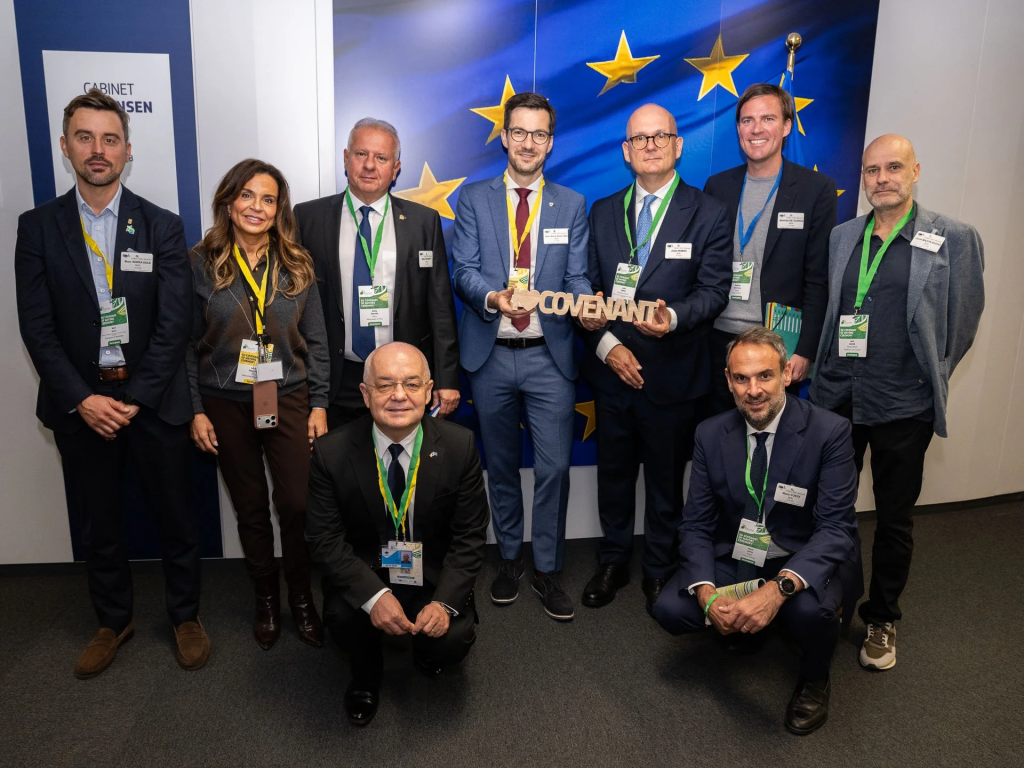
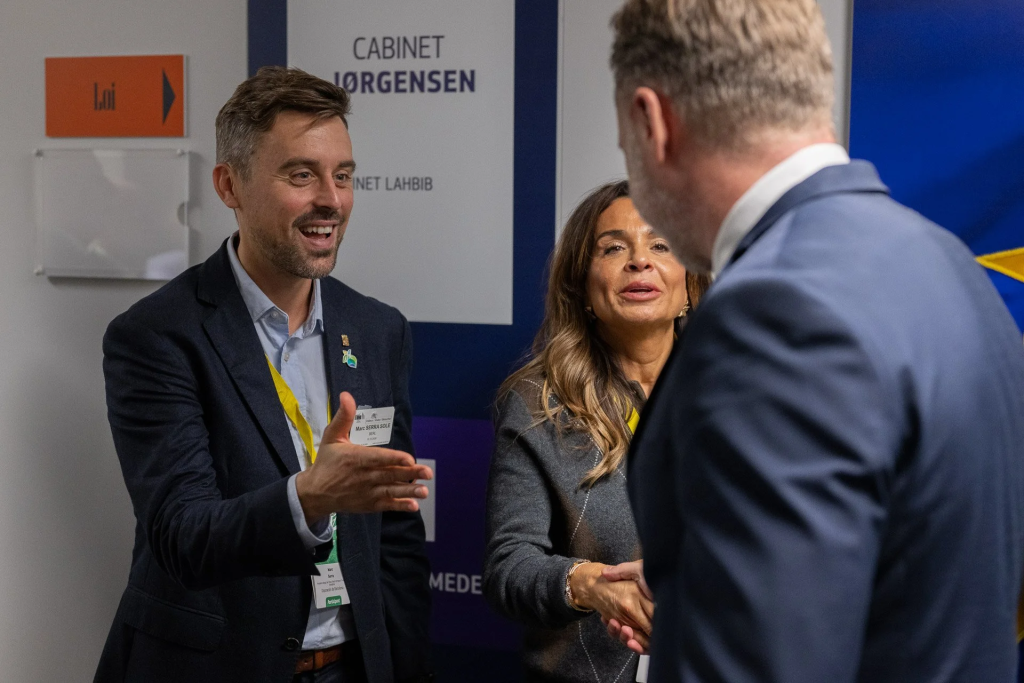
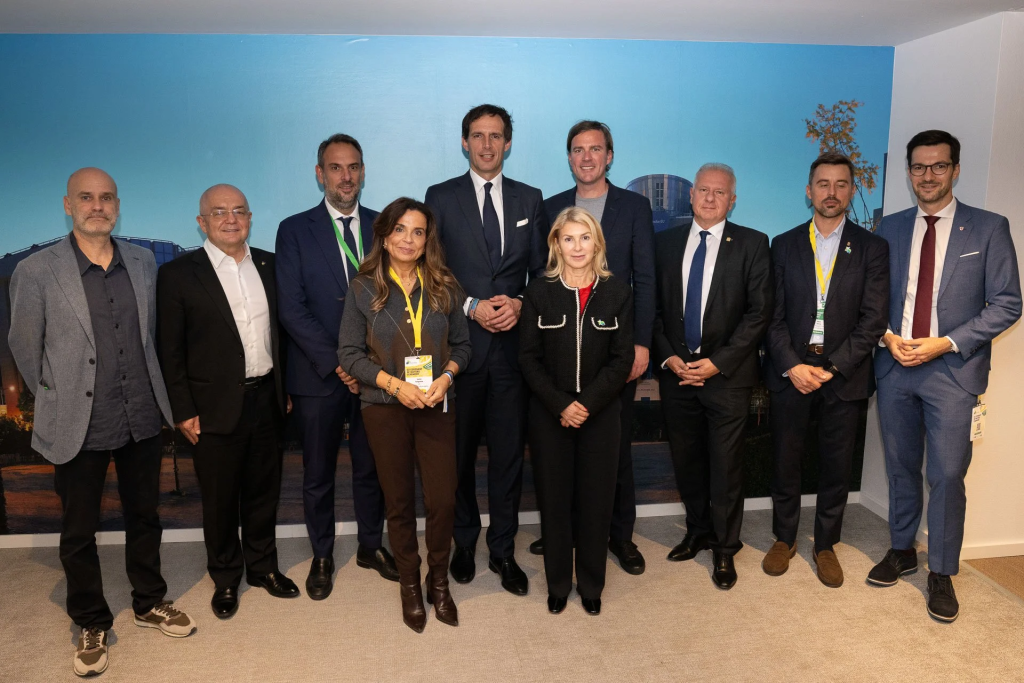
This made last week’s EU Covenant of Mayors Ceremony an important moment for local leaders and EU representatives to meet and discuss how to respond to these shared challenges. Hundreds of mayors gathered in Brussels, engaging with high-level representatives of the European institutions.
The Commission recognises the importance of keeping mayors on board. But are local leaders being given a meaningful say in the decisions that affect them?
Climate resilience: responsibility must come with the means to act
One of the main topics discussed was how Europe can prepare for the growing impacts of climate change, with this summer’s deadly heatwaves and wildfires still fresh in people’s minds – especially those of the local leaders who had to mobilise significant resources to respond to the public health crisis they generated.
As the European Commission develops its new Integrated Framework for Climate Resilience and Risk Management, it is seeking local leaders’ perspectives on how responsibilities should be shared across levels of government.
Climate impacts are felt acutely at the local level. Commissioner Wopke Hoekstra stressed that local authorities are best placed to understand their communities’ needs, so should be the ones to decide how to prepare for risks.
But sharing responsibility must also mean sharing the resources and decision-making power needed to act. Current EU policy developments risk moving in the opposite direction. Under the proposed EU budget for 2028–2034, access to funding for local authorities could depend heavily on national governments’ decisions. Meanwhile, the EU governance framework for climate policies does not yet guarantee effective cooperation between European, national, regional and local levels.
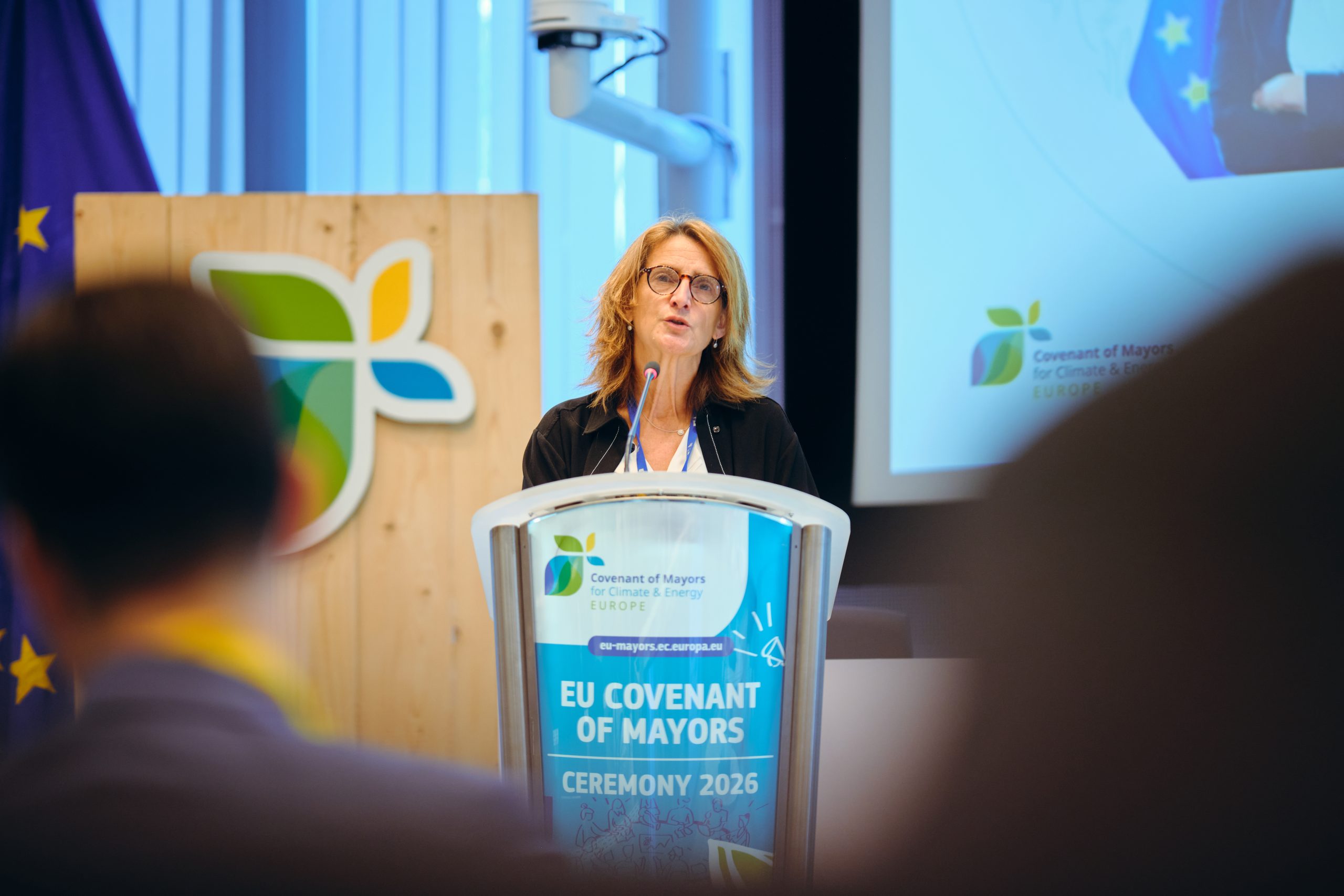
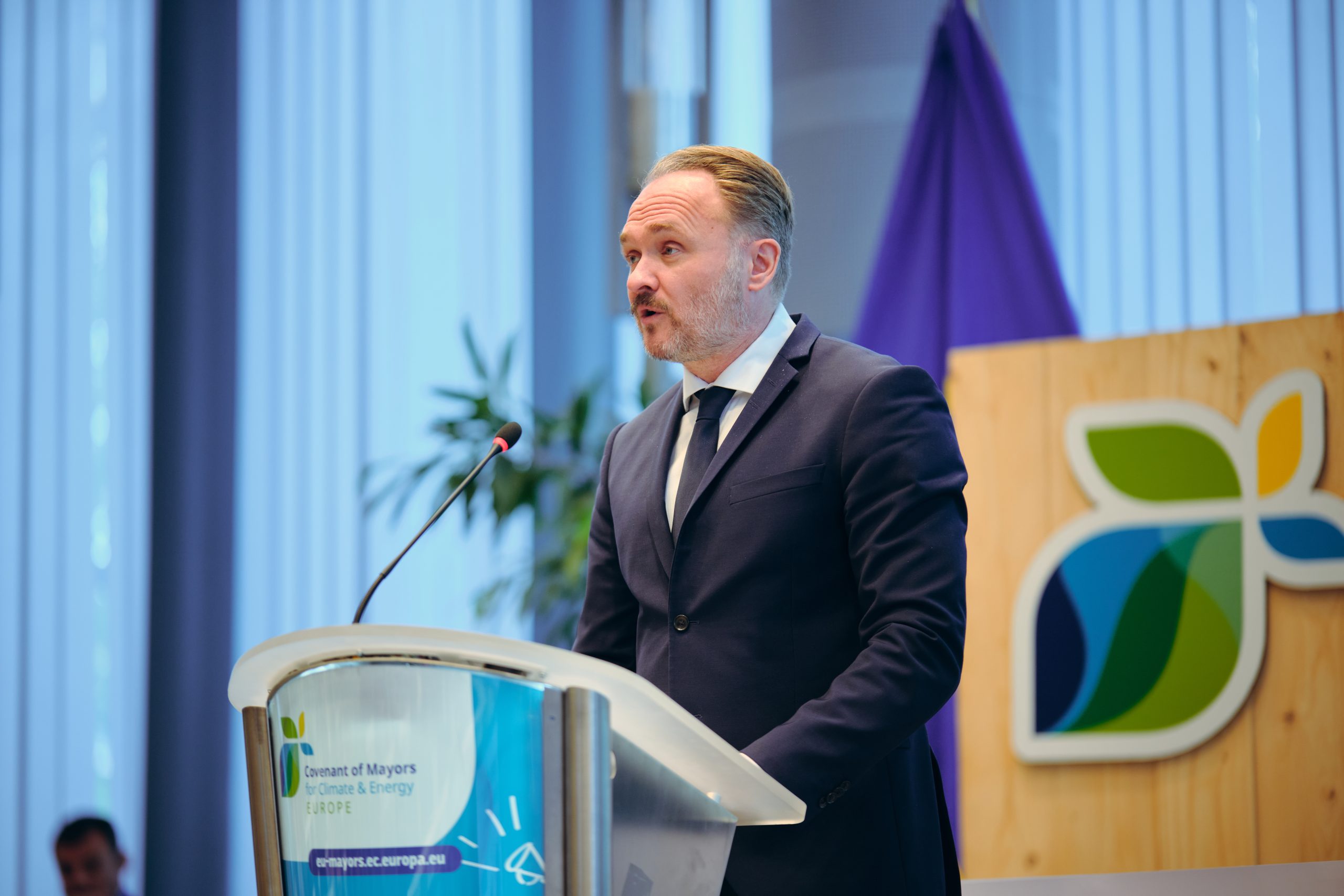
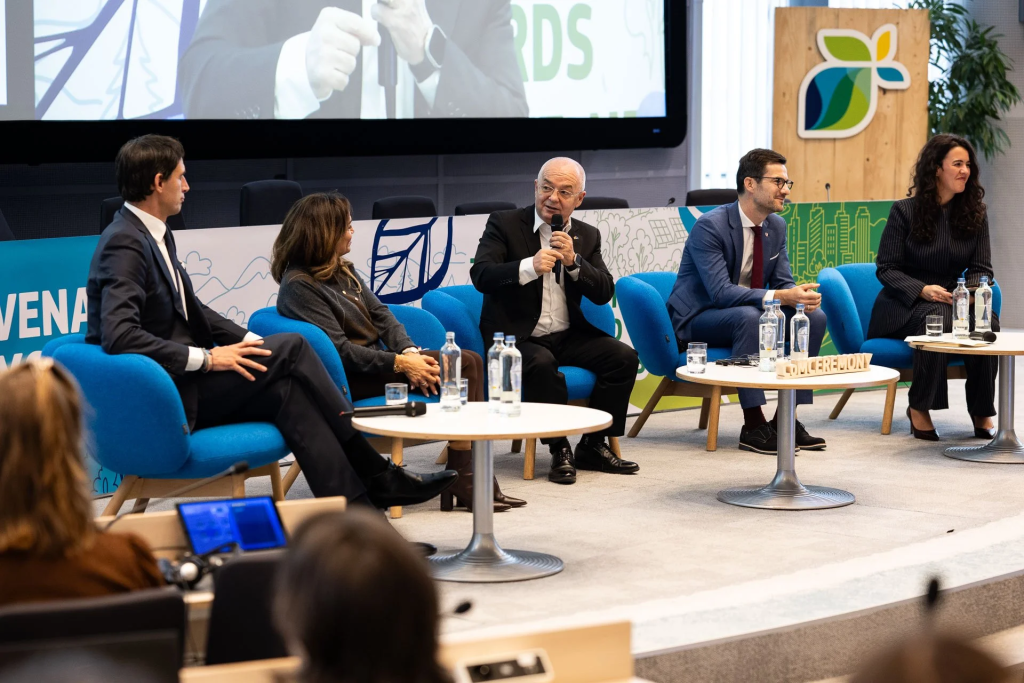
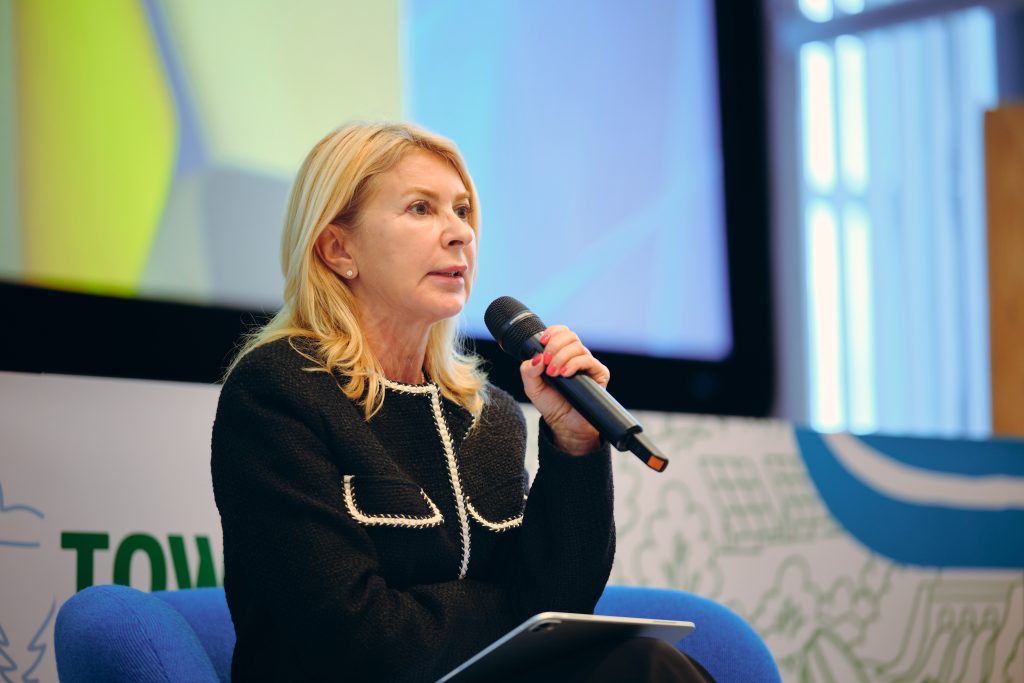
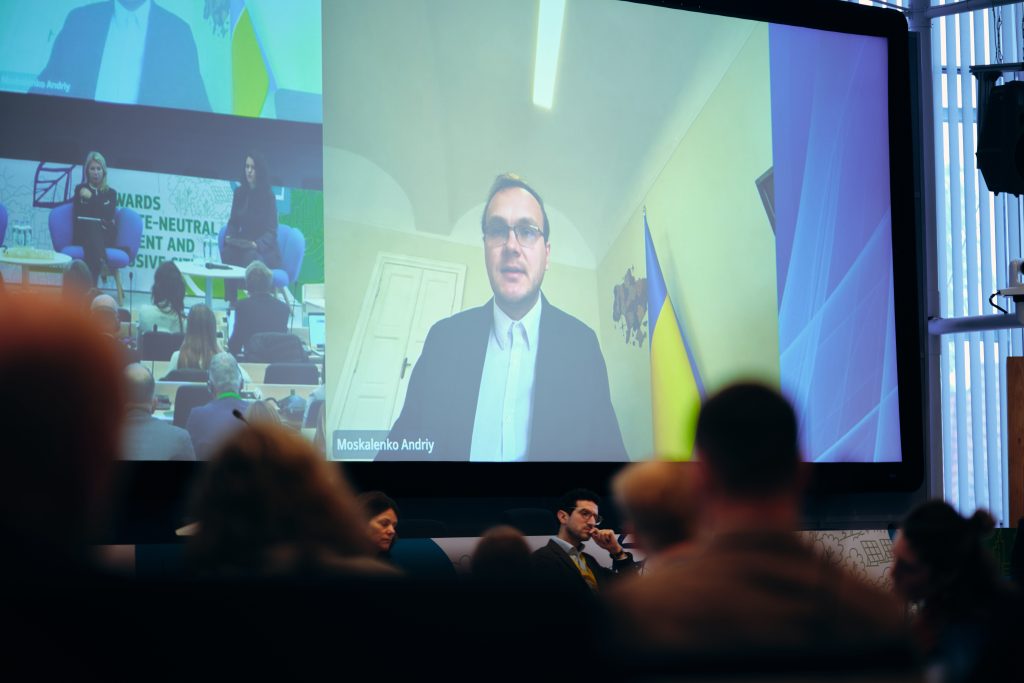
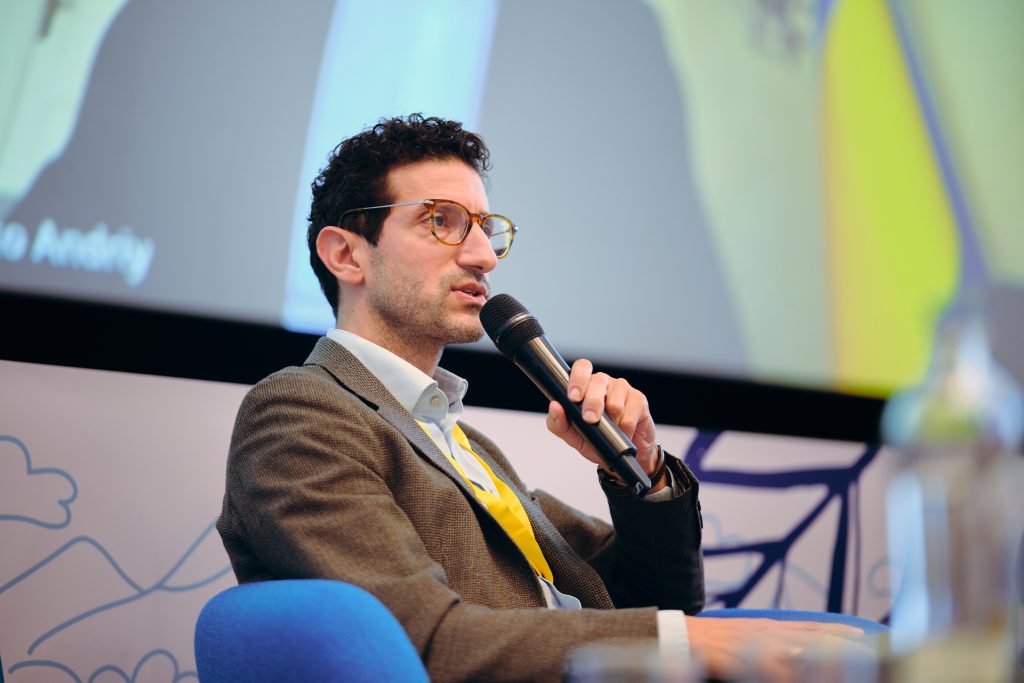
Mohamed Ridouani, mayor of Leuven and Energy Cities’ President, reminded European leaders that supporting local governments means helping Europe weather today’s crises.
A thriving Europe is based on strong cities. Please help us to be strong, and also a strong dam against what we are experiencing now: polarisation, geopolitical turmoil. Let’s find ways to lift up the cities who want to take the lead.
Mohamed Ridouani, Mayor of Leuven and Energy Cities’ President at the EU Covenant of Mayors Conference 2026
Mayors call for a stronger role in climate resilience
Following the Ceremony, mayors attending the event, including members of the EU Covenant of Mayors Board, sent a letter to the European Commission calling for local and regional authorities to be fully involved in shaping Europe’s approach to climate resilience.
As they explain in the letter:
We share the objective of avoiding unnecessary administrative burdens on local government. The way to achieve this is to align responsibilities, resources and support. Excluding local and regional governments from planning and financing decisions would leave us facing the same climate risks with fewer means to manage them.
The letter sets out three key priorities:
- Common, science-based climate reference scenarios to guide planning and investment across all levels of government;
- A strong multilevel governance mechanism that respects each Member State’s constitutional and administrative arrangements;
- Better coordination and more effective adaptation investment under the next EU budget.
Local authorities are already on the front line of Europe’s energy and climate challenges. If Europe is serious about protecting its citizens in today’s reality marked by increasingly frequent crises, it needs to give local authorities the resources and influence to act.
