Not built for this: Heatwaves are exposing the limits of Europe’s preparedness
The extreme pressure of recent heatwaves on our cities and people should ring alarm bells at national and EU levels.
 Local governance
 Fossil-free cities
 Food systems
About

Summer 2026 has already been marked with one of Europe’s most severe heatwaves. The European summer, once associated with breezy vacations and lively festivals, is increasingly defined by the oppressiveness of extreme heat.
The human toll of the most recent heatwaves has been devastating.
People sweltered in apartments never designed to cope with extreme heat, struggling to find fresh air or any respite from suffocating temperatures. Schools closed, only for many children to return to homes that offered little relief. Essential services were disrupted. Workers were exposed to unsafe conditions. Hospitals came under immense pressure.
For far too many, the consequences were fatal. Europe recorded around 10,000 excess deaths during June heatwaves.
And the impact extends far beyond public health. Extreme heat disrupts the functioning of society itself.
Businesses have been forced to close. Transport infrastructure has faltered, with trains cancelled and roads closed. Cultural events have been called off. Daily routines have been upended.
Heatwaves are no longer isolated weather events. They are capable of paralysing our cities, slowing our economies, and straining public services. Much like during the Covid-19 pandemic, municipal workers and health services are left on the frontline, struggling to keep up with cascading emergencies.
Above all, this is a profound social justice issue. Those with the means to retreat to spacious, well-insulated homes can remain relatively safe and productive. Meanwhile, many low-income households are concentrated in poorly adapted housing, often in dense urban heat islands, where exposure to extreme heat is greatest, and the options for relief are few.
Once the temperatures subside, we cannot simply return to business as usual.
Extreme heat has become a political challenge across Europe, fueling debates around air conditioning, public health and political responsibility, with blame being passed in every direction for its devastating consequences.
Rising temperatures has come to be one of the defining challenges Europe will face this century. As the world’s fastest-warming continent, Europe should treat these heatwaves as a clear warning. Recent heatwaves have shown that extreme heat is a systemic problem, requiring systemic solutions.
That starts with smarter planning, better urban design and coordinated action across sectors.
Responding to heat is as much about long-term spatial planning and social policy as it is about emergency response.
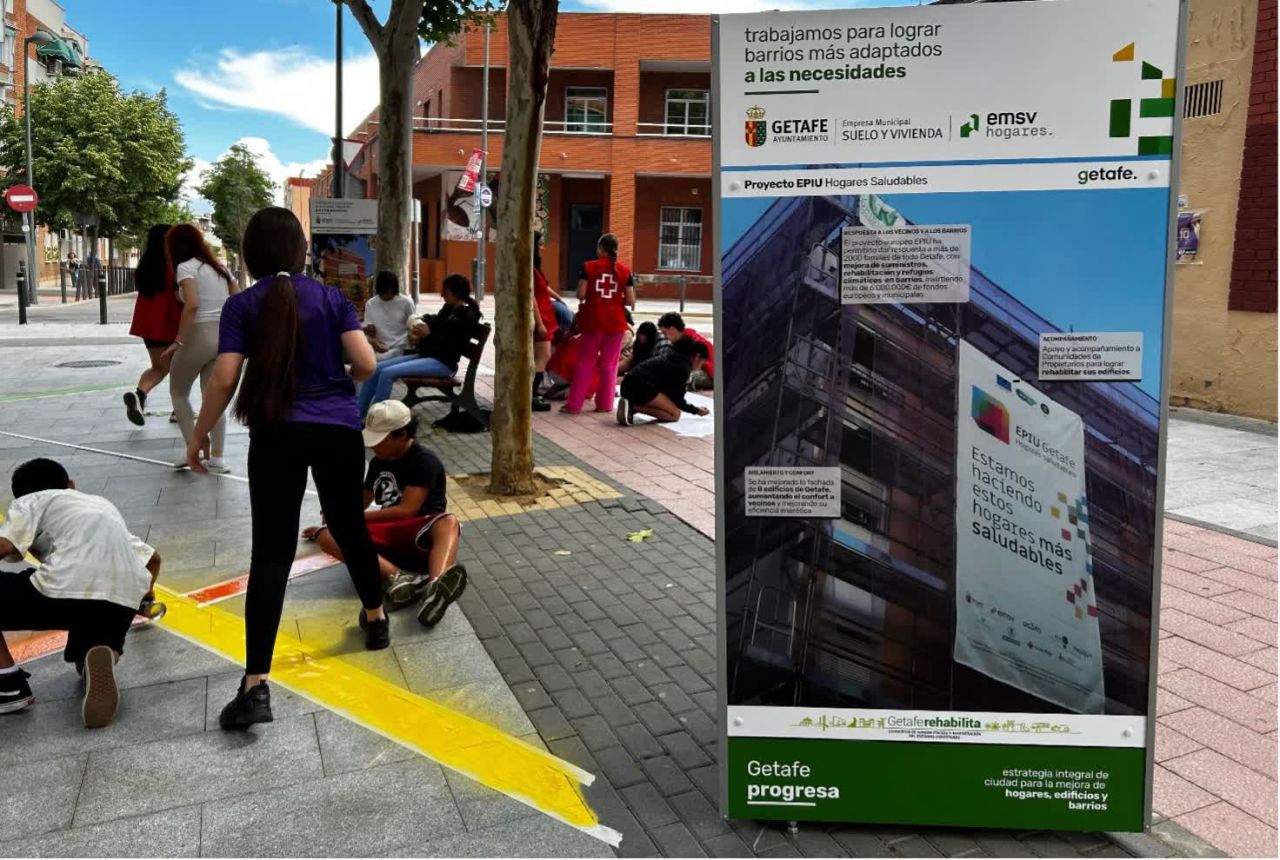
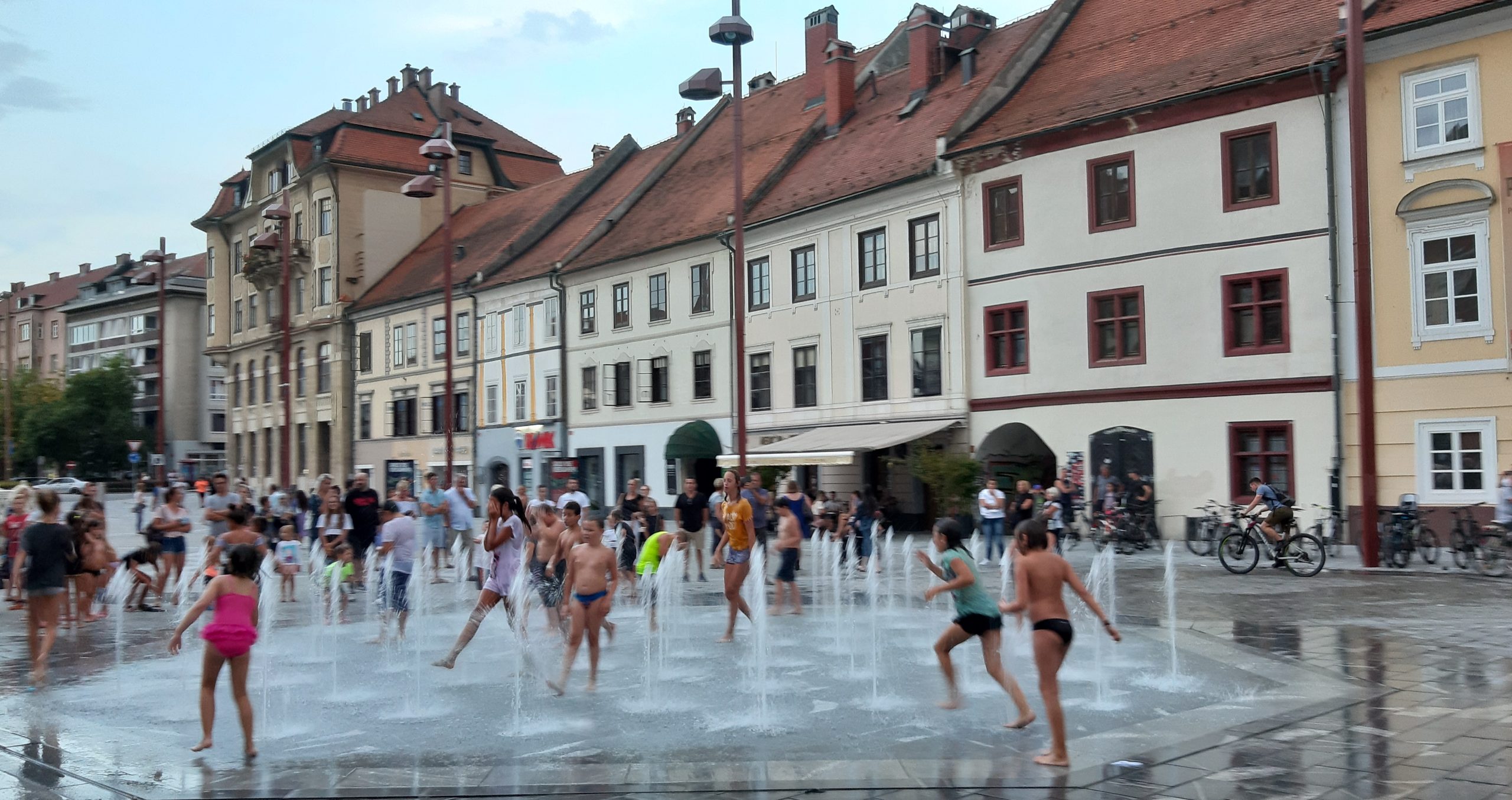
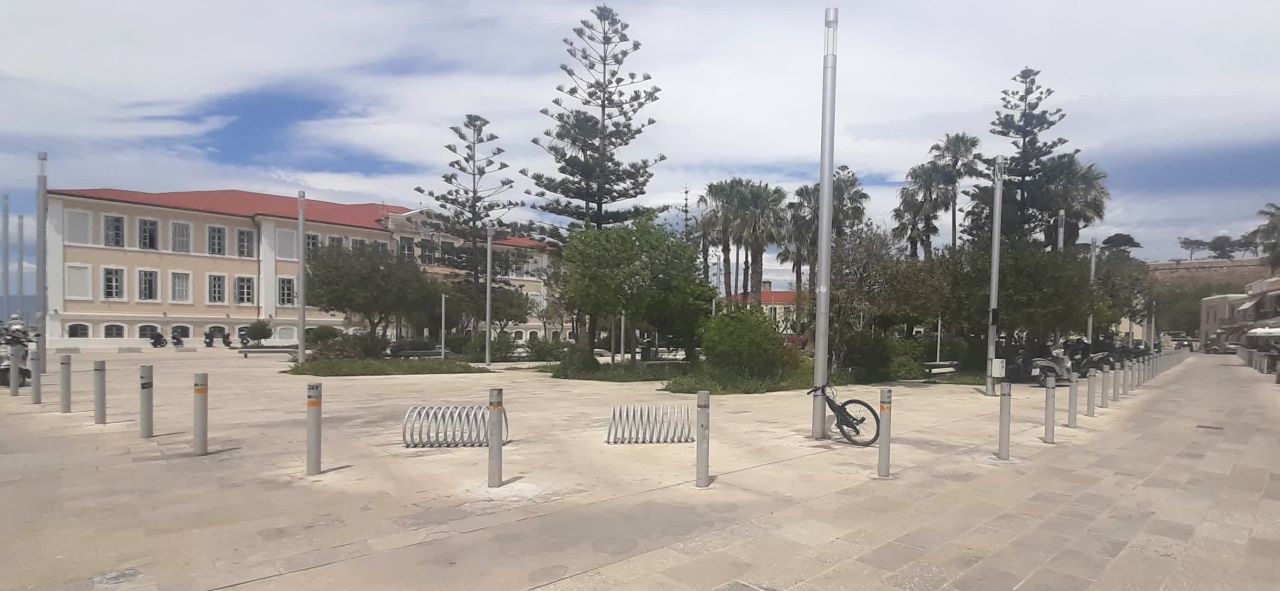
Cities need to combine measures that cool urban environments, expand green infrastructure and promote sustainable cooling with efforts to adapt buildings, raise awareness of passive cooling techniques, provide accessible cool spaces in every neighbourhood, protect outdoor workers, and establish clear protocols to protect the most vulnerable residents.


The lesson from this summer is clear: these measures cannot be implemented in isolation. Planting trees without adapting housing will not be enough. Checking in on vulnerable people without ensuring safe places for them to access will not protect everyone.
At the same time, the growing reliance on air conditioning raises difficult questions about rising electricity demand and its impact on the affordability and resilience of Europe’s energy systems. Implementing sustainable cooling needs to be accompanied by redesigning our public spaces and buildings for passive cooling.
Heat resilience depends on combining all these actions into one coherent strategy.
Local authorities have understood this challenge for years. Across Europe, they have been developing integrated, cross-sectoral approaches to strengthen resilience. Local heating and cooling plans are another key part of this effort, enabling cities to respond to rising demand for cooling with fossil-free solutions.
Yet the scale of the challenge increasingly exceeds the resources available to them.
As the European Union prepares its new Framework for Resilience and Risk Management, it must ensure that it is rooted in integrated local planning, backed by predictable funding and long-term support. It is by going local that Europe will manage to integrate “resilience by design”, embedding safety, preparedness and adaptability directly into the physical places we live.
This is particularly important at a time when cities are being asked to shoulder growing responsibilities while facing budget cuts and mounting financial constraints. How can national governments reduce climate funding for local authorities while expecting them to respond effectively to increasingly frequent and severe heat emergencies?

Another important opportunity to address cooling comes with the EU’s forthcoming Electrification Action Plan.
Published in the wake of catastrophic heatwaves across Europe, it presents a timely chance to move beyond electrification alone and embed a genuine strategy for sustainable cooling – one that can meet growing demand while avoiding an uncontrollable rise in energy consumption.
At the same time, the continued absence of a standalone and comprehensive Heating and Cooling Strategy is a missed opportunity. As temperatures continue to rise, Europe needs a coherent framework that links building renovation, sustainable cooling, energy efficiency, local planning and resilience. Without it, the response to extreme heat risks remaining fragmented, reactive and increasingly reliant on energy-intensive solutions.
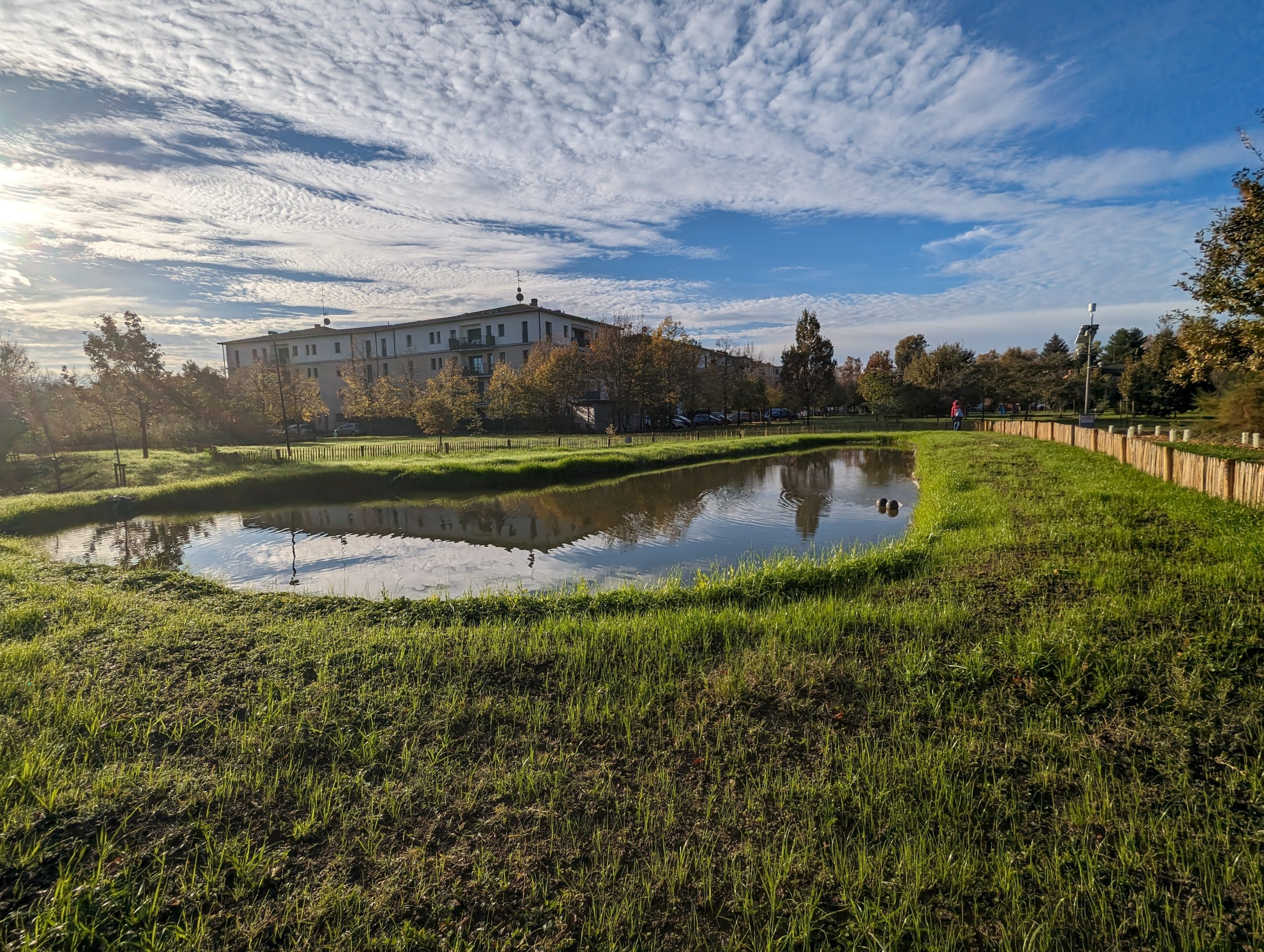
Cities also need better information to plan ahead.
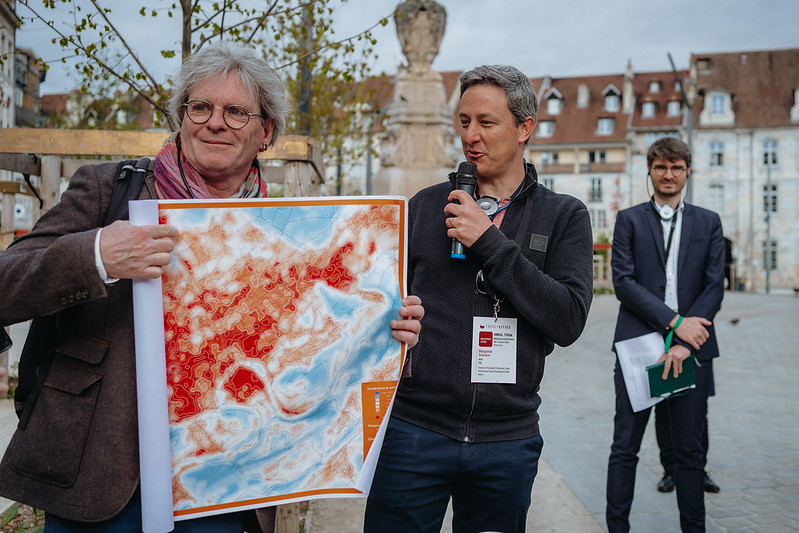
While national climate scenarios are becoming more sophisticated, local projections often remain insufficient. Yet every territory will experience extreme heat differently depending on its geography, population, urban form, and built environment.
Local authorities need detailed, place-based climate scenarios to understand future risks, prioritise investments, and build resilience that reflects the realities of their territories and communities.
Heat is Europe’s silent climate killer. It is time we treated it as such.
That means giving local governments the political backing, financial resources, and planning tools they need. Not only to respond to the next heatwave, but to prepare for the hotter Europe that is already becoming our reality.
Photo Source: EU Covenant of Mayors #CitiesRefresh Campaign.