Rethinking cities through circularity
How the SPARKLE Calenzano School explored sustainable urban regeneration, sufficiency and participatory planning
 Fair economies
About

Through insightful sessions and inspiring study visits, the SPARKLE Calenzano School (05-06 May 2026) has demonstrated the importance of international cooperation between local authorities in addressing climate and urban challenges by fostering experience exchange, strengthening local competences and sharing innovative approaches to sustainable urban regeneration, circular economy and participatory governance.
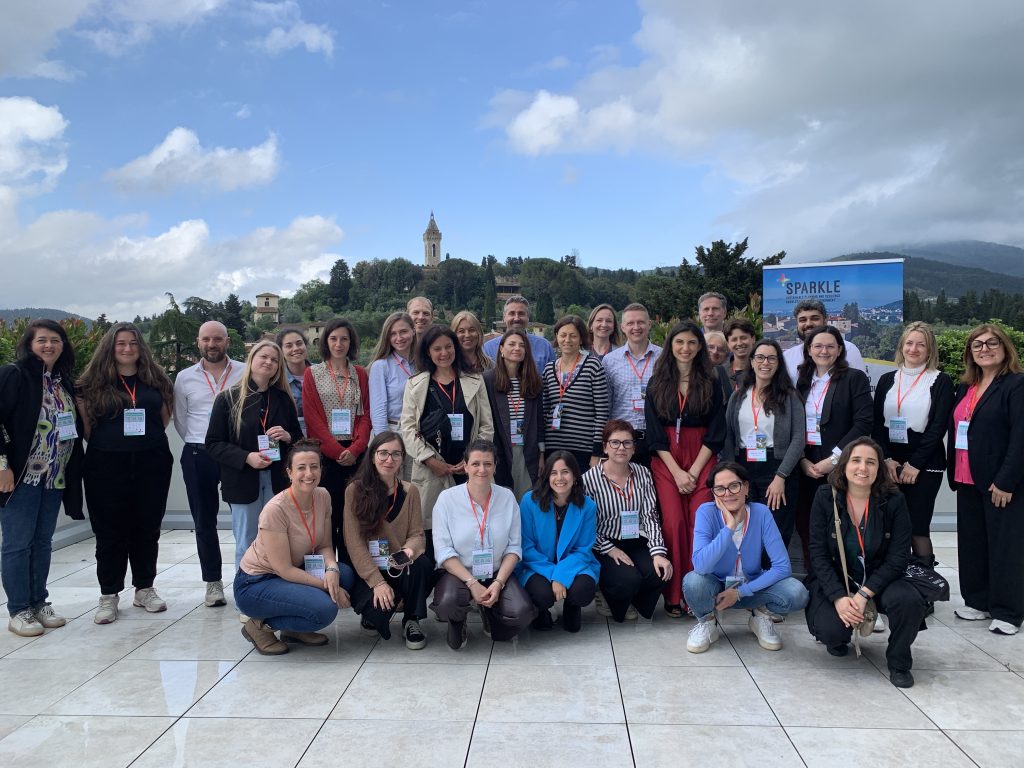
38 public officers and elected local authorities gathered in the Tuscan city to learn how to combine environmental sustainability, social cohesion and quality of life, as well as to create new connections across Europe.
Our participation has clear potential to positively impact projects and plans implemented in our area. The knowledge gained could be applied in improving circularity measures, more effective planning, public awareness actions, and more efficient waste treatment solutions. It may also contribute to energy and carbon savings by supporting projects related to waste prevention, recycling, material recovery, renewable energy use – Andrius Jučas, Head of waste treatment technologies, Member of the Alytus City Council, Lithuania
Exploring circular governance, urban planning, climate resilience and community engagement
During the session Transforming the Built Environment with a Systemic Lens, Aimée Aguilar Jaber, Programmes Director at Hot or Cool, highlighted how the way cities organise housing, mobility, land use and infrastructure directly influences the consumption of soil, energy and resources. She stressed that current planning models are still failing to generate the deep transformations needed to remain within planetary boundaries. A significant example is the “Superblock Model” implemented in Barcelona, where mobility is no longer considered an end in itself, but a tool to improve accessibility, liveability and healthy urban ecosystems.
Maurizio Bresci, Head of the Urban Planning and Building Area at the Municipality of Calenzano, presented the Crediti Edilizi system (land development rights), an urban compensation mechanism aimed at supporting circular and regenerative planning approaches. The system assigns transferable building rights to private owners in exchange for the demolition of incongruous buildings or the renunciation of development rights in sensitive areas, allowing the corresponding building volumes to be relocated to designated urban regeneration areas within the urbanised perimeter. Participants reflected not only on this initiative but also on related issues such as demolition waste.
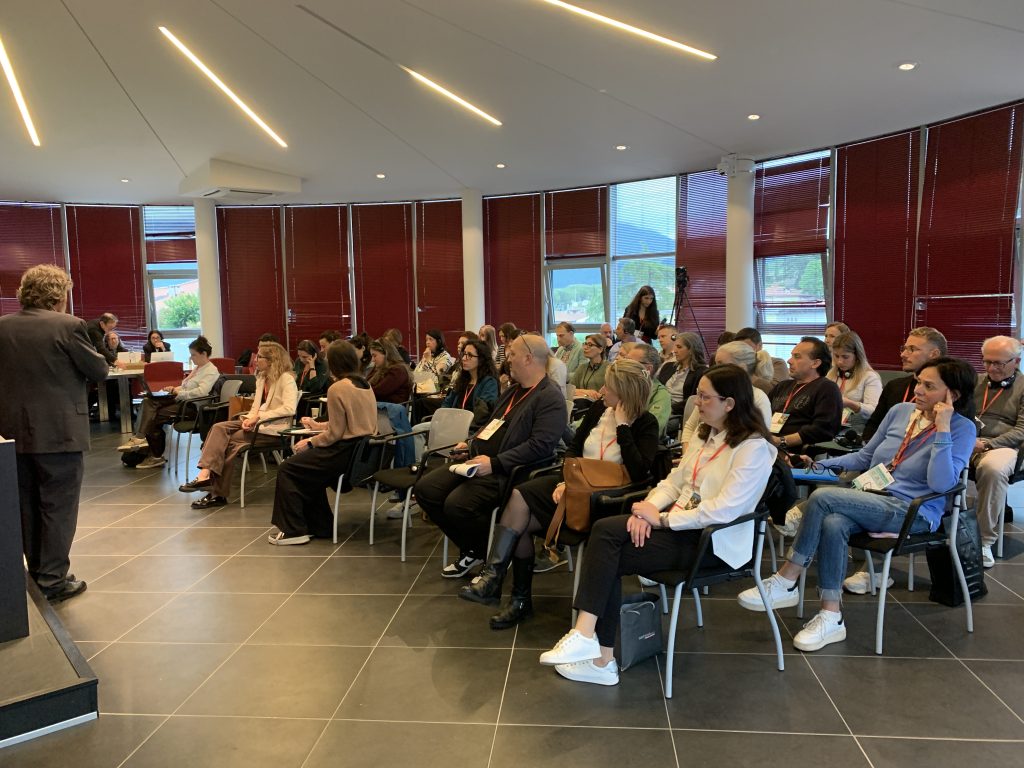
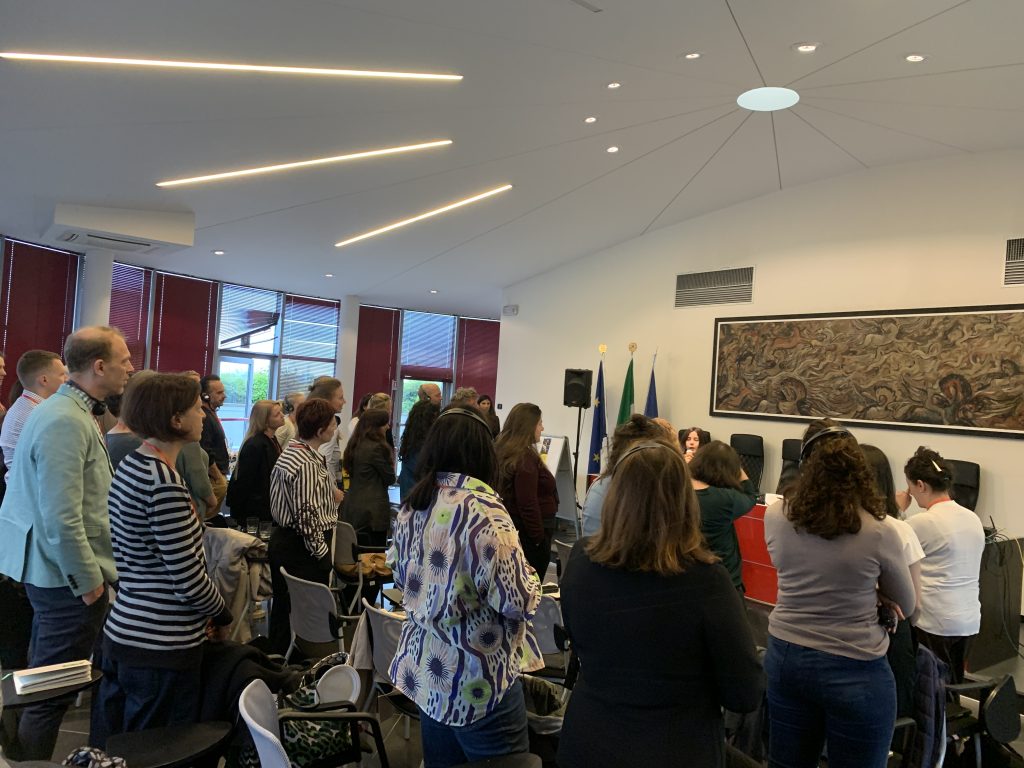
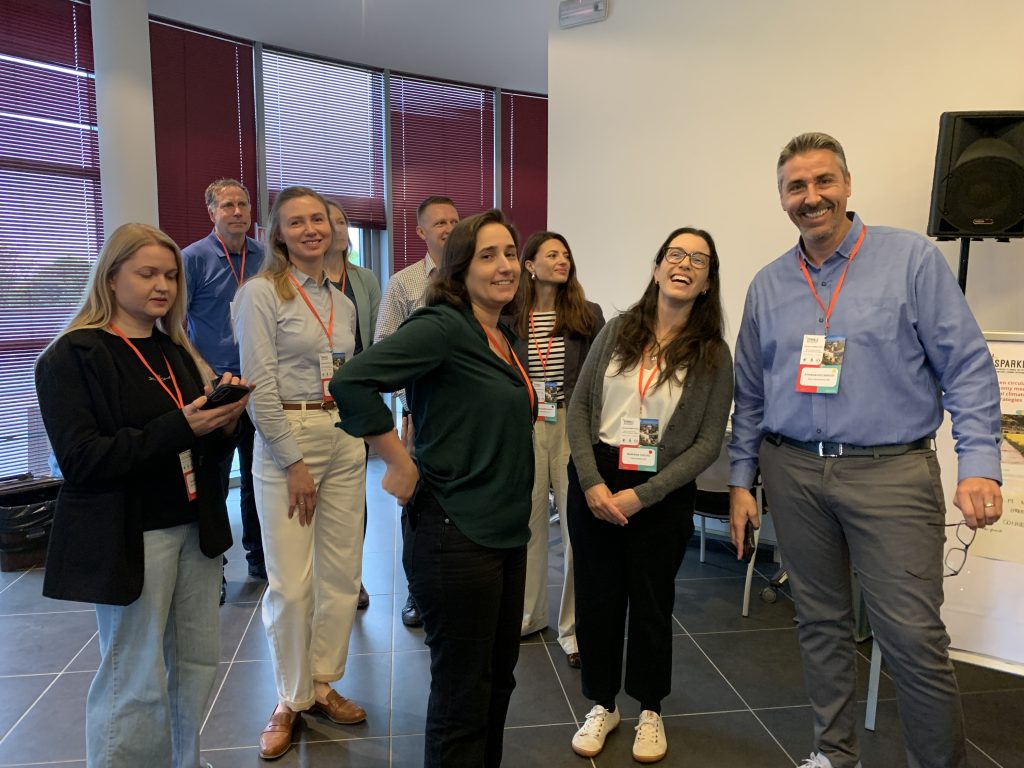
Following the case of the hosting city, participants learned more about sufficiency and its application to the built environment during sessions led by Laetitia Aumont, Policy Officer for the Built Environment at the European Environmental Bureau. Sufficiency in the building sector means reducing the demand for energy, materials and land by prioritising the energy-efficient retrofitting of existing buildings rather than constructing new ones. This approach reduces environmental impacts while improving affordability, inclusiveness and social wellbeing.
How can circular construction and resource-wise planning address the lack of space and fight climate change? Elmar Willems, Facilitator and Programme Lead Circular Local Governance at Circular Flanders, shared the example of De Potterij (Impact Factory) in Mechelen, Belgium, showing how heavily polluted industrial areas can be transformed into sustainable spaces combining social housing, offices, green areas and circular economic activities through integrated, long-term planning developed with the local community.
Soil is not an inert surface but a living system capable of absorbing water, reducing heat stress and supporting biodiversity. Using the metaphor of “sponge versus rock”, Beray Cayli, Project Officer at ACR+, explained how urban design choices directly influence cities’ capacity to cope with climate-related challenges such as flooding, overheating and biodiversity loss. From Leuven to Barcelona, many EU-funded projects are successfully preserving soil with the support of citizens.
One example is the Horizon Europe project HuMUS, presented by Annalaura Vannucci, EU Project Officer at ANCI Toscana. The methodology developed by the project combines stakeholder mapping, participatory processes, scientific evidence and co-design activities to transform local soil health discussions into concrete governance tools for the co-creation of Territorial Management Agreements (TMAs).
Change needs engaged communities to happen. Samir Amin, Project Manager at the Institute for Urban Excellence, presented participatory methodologies that can support more inclusive, fair and sustainable urban planning processes, with a particular focus on storytelling as a tool for understanding different perspectives. Participation should move beyond simple consultation mechanisms to become a process of co-design, co-decision and co-implementation capable of integrating local knowledge, lived experience and social diversity into planning practices. The role-playing exercise helped participants experience what it means to be part of invisible or marginalised voices.
Participation in the school will greatly help during post war reconstruction and this knowledge will certainly be reflected in local strategic documents. Viktoriya Kruta, Executive committee of Slavuta City Council, Ukraine
From the classroom to the field: inspiring study visits
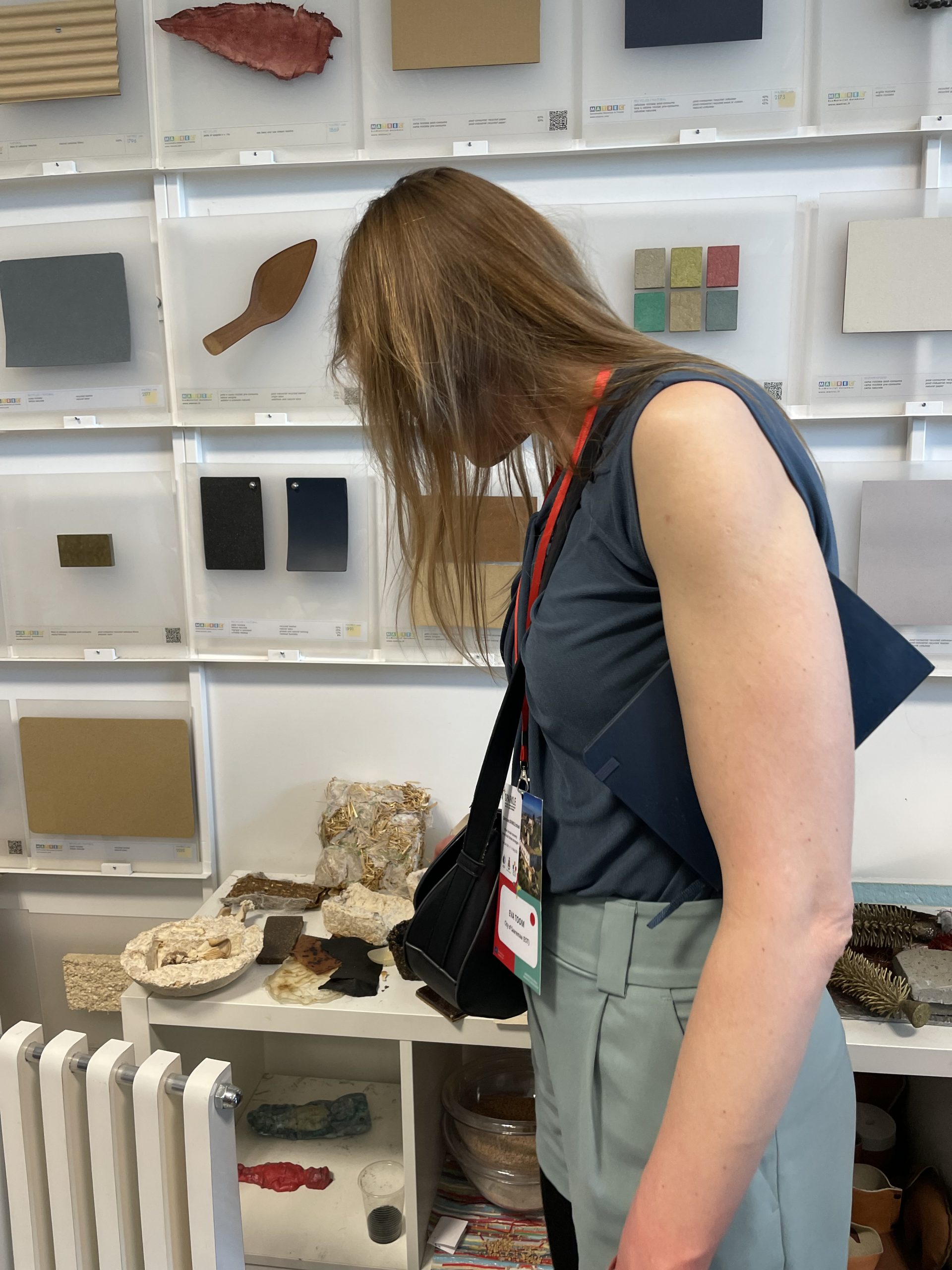
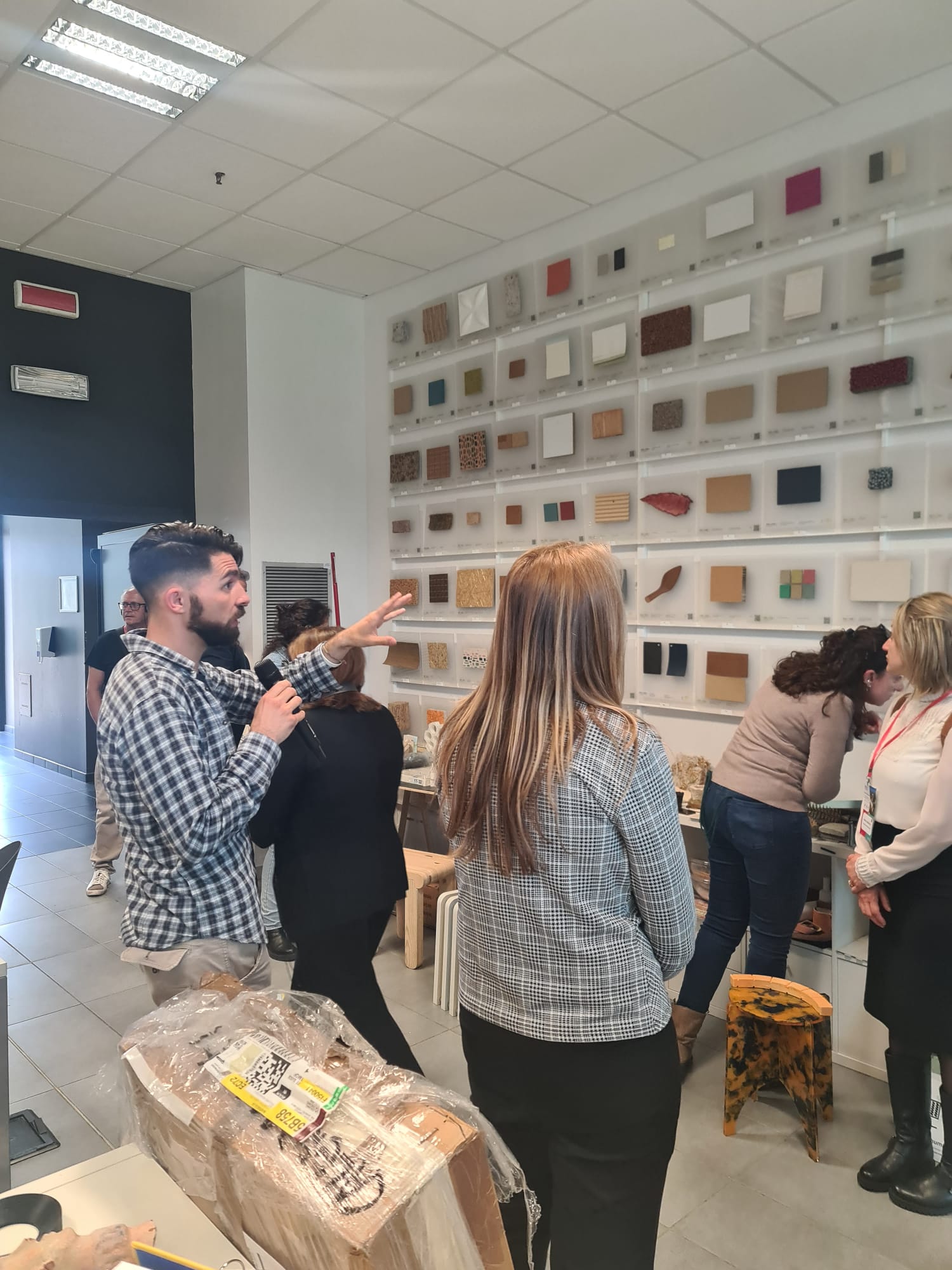
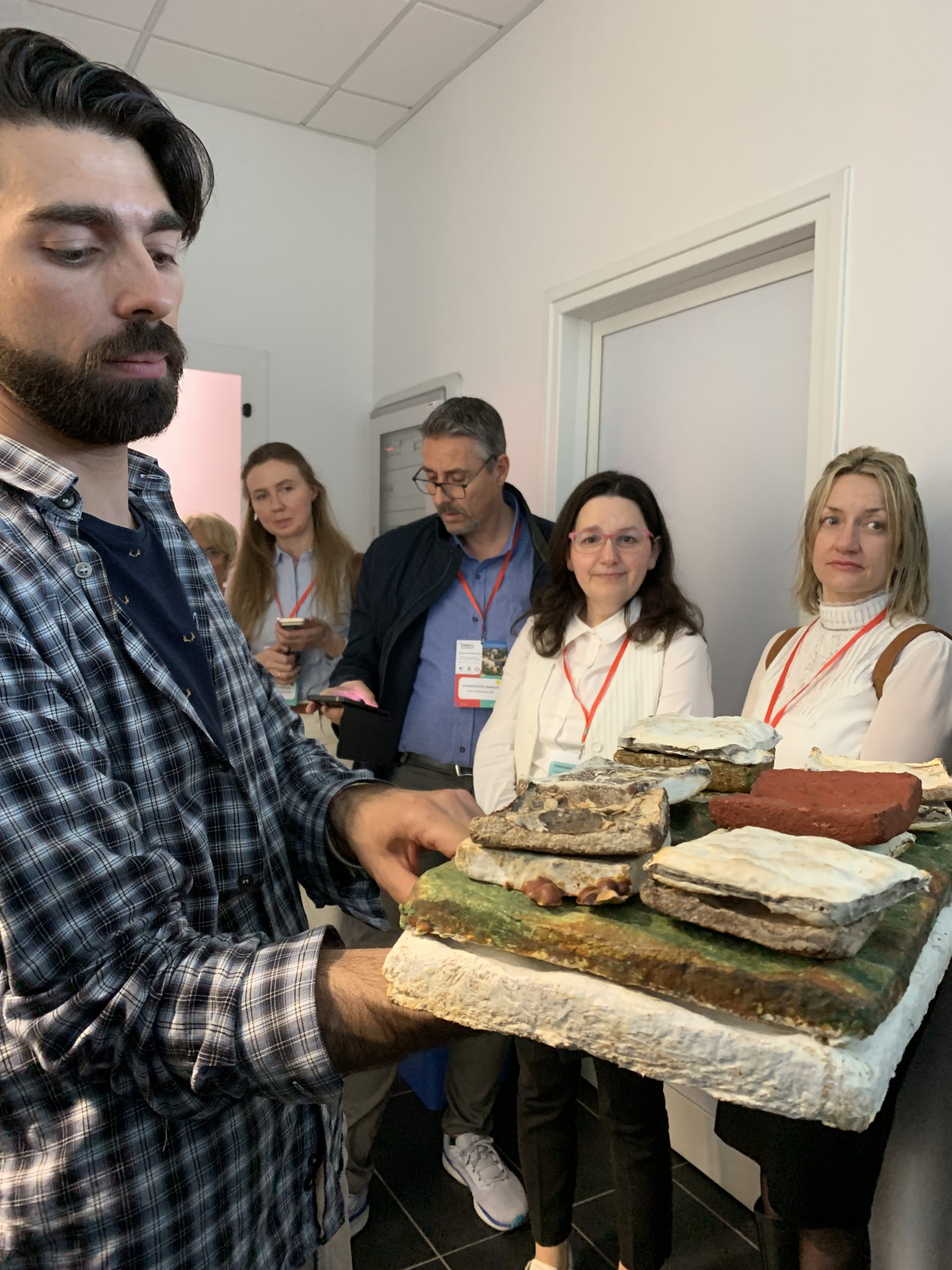
The visit to the Design Campus of the University of Florence (DIDA – Department of Architecture) inspired participants by allowing them to explore recycled and bio-based materials used to produce sustainable products combining innovation, creativity and practicality.
Researchers also presented several 3D-printing technologies used to produce objects made from PLA, a biodegradable material of natural origin widely used in sustainable prototyping and circular design experimentation. Biomaterials can provide sustainable alternatives to plastics, polystyrene, leather and wood for applications including packaging, insulation systems, acoustic panels and interior design products.
The visit offered a concrete example of how research, experimentation and circular innovation can support more sustainable production models and contribute to the ecological transition of both the construction sector and local economies.
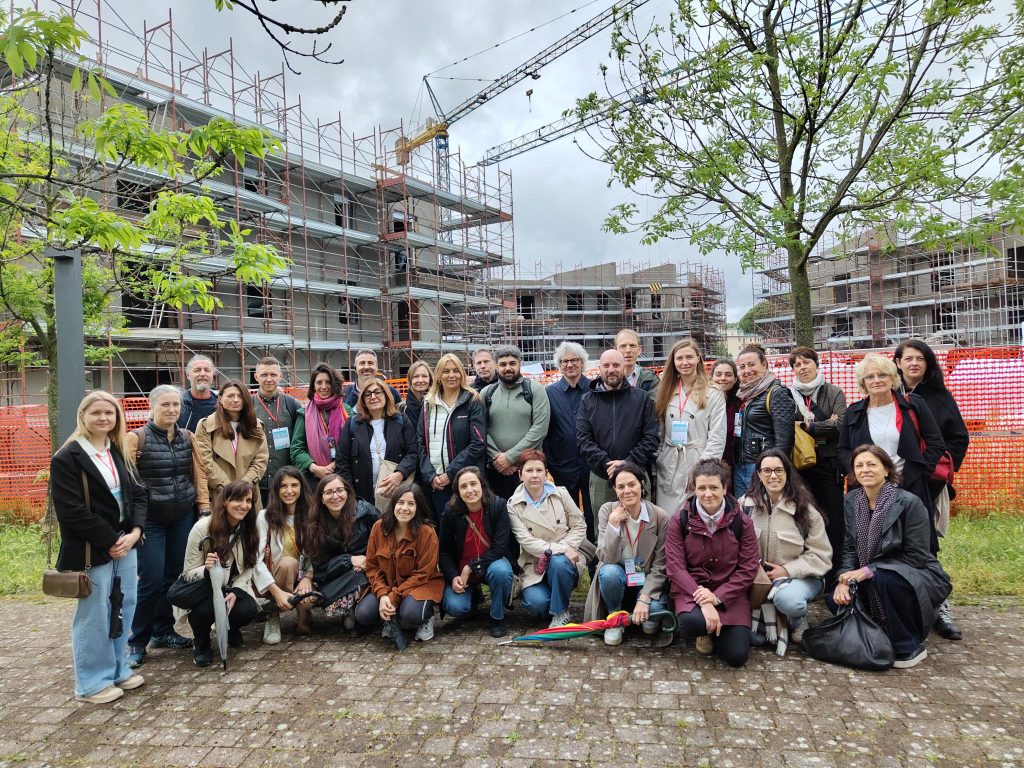
On the second day, participants visited the construction site PINQuA Nuove Ca.Se., one of the most relevant ongoing urban regeneration initiatives developed by the Municipality. Co-funded by Next Generation EU, this social housing project includes the development of three new construction sites, where families currently living in two old and energy-inefficient residential blocks will move. The existing blocks will then be demolished to free space for a new public square and green areas without building on new land.
The number of available apartments will increase to 110, and rental fees will start from 40 euros. Energy efficiency — with fully electrified buildings equipped with heat pumps and solar panels — social inclusion and quality public spaces are among the key aspects of this regeneration project.
Building circular and inclusive Cities
The event concluded with a group-work session aimed at translating the concepts and inspiration emerging during the SPARKLE School into concrete territorial visions and proposals.
Each group was asked to imagine possible future developments for Calenzano within the framework of the second phase of the recently visited PINQuA project. Which new functions and services could be integrated? Which circular practices and sustainability measures could be adopted? How can the community fully benefit from the project? Among the many ideas proposed were common areas such as kitchens, playgrounds and community gardens, the installation of solar panels, and systems for borrowing and sharing items and materials.
Now that the School is over, participants know that circularity is not just a technical objective, but a different way of thinking about governance, spatial planning and community involvement in developing resilient and future-proof cities.