Trust, behaviour and the hidden drivers of the clean energy transition
The SPARKLE Vilnius School has paved the way for a new community of practitioners supporting each other in implementing fossil-free district strategies.
 Fossil-free cities
About

Over two intensive days, the SPARKLE Vilnius School – Decarbonising buildings and energy districts for the benefit of all: how cities can drive the change – shifted attention away from technical solutions alone, towards the human, organisational and systemic factors that determine whether the energy transition actually happens on the ground.
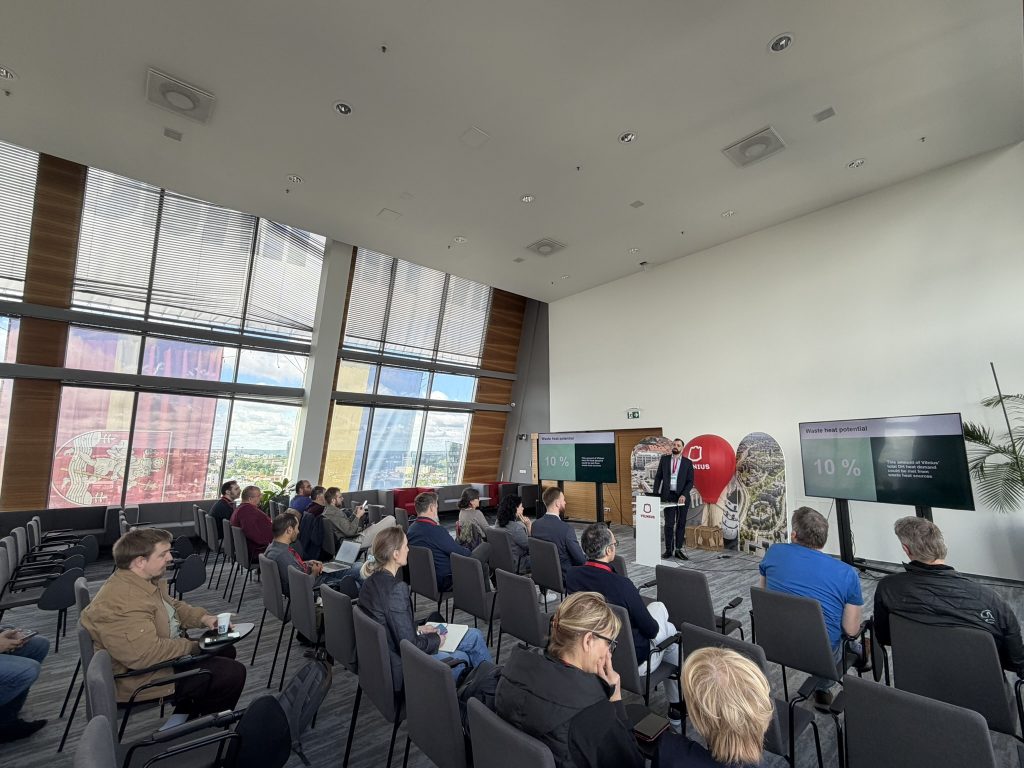
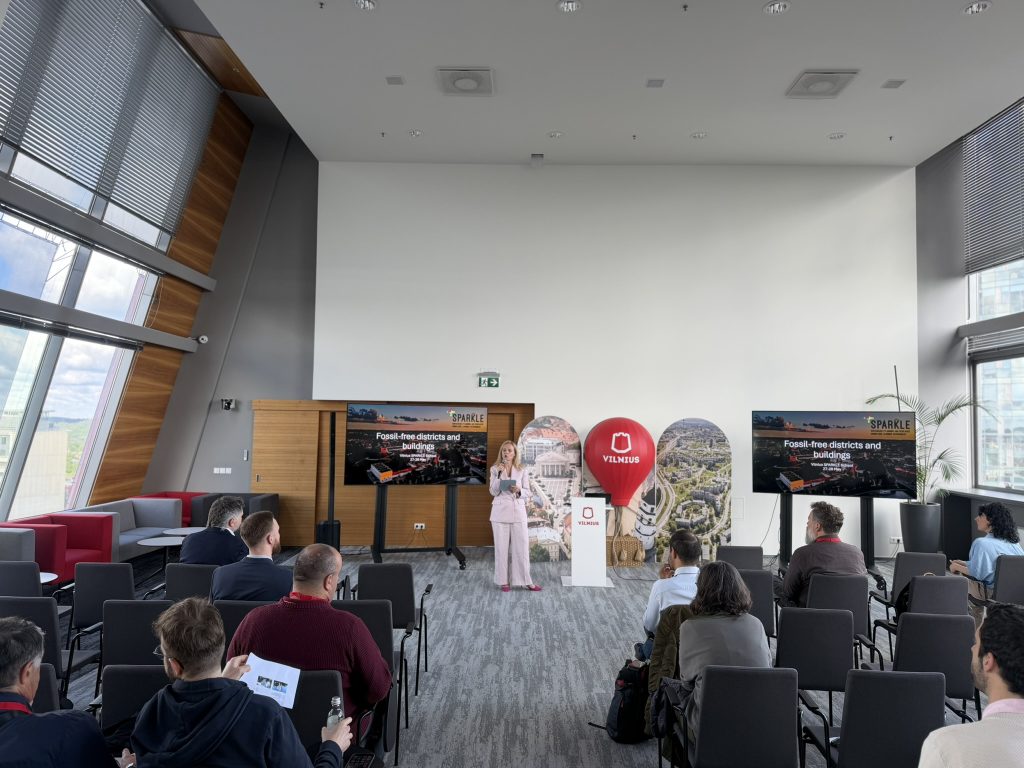
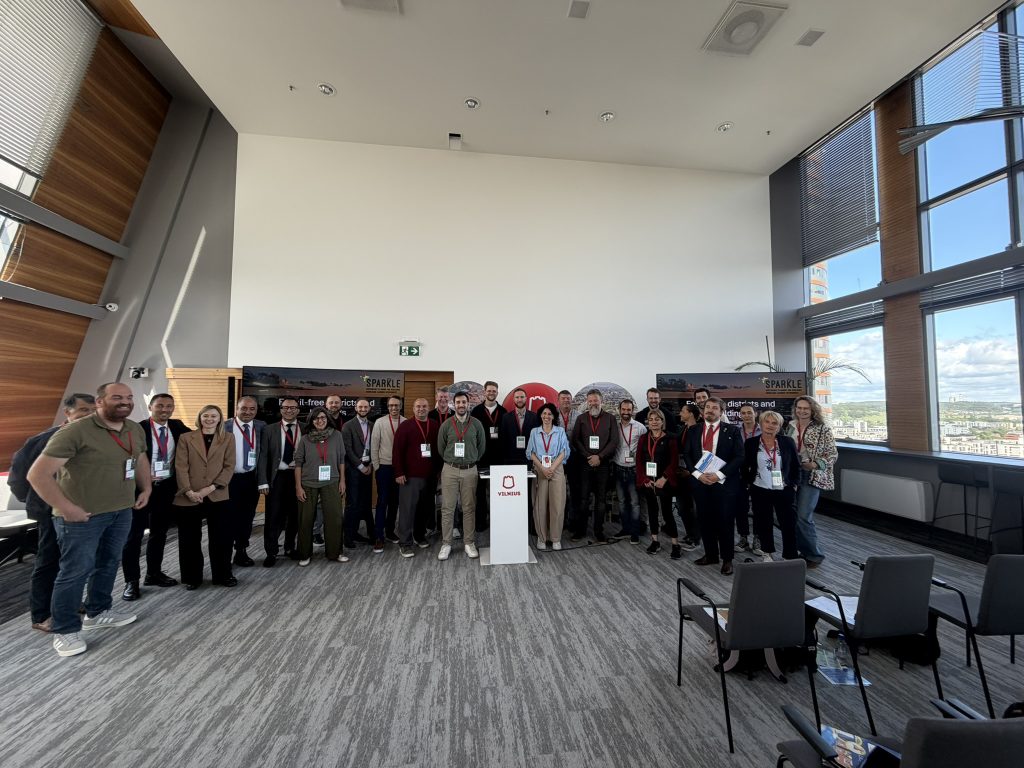
Held on 27-28 May 2026, the School brought together 30 participants from across Europe. Municipal representatives, energy agencies, and practitioners explored how to accelerate the transition towards fossil-free districts, looking not only at building renovation, but also at strategies to decarbonise heating and cooling systems at a city scale.
Renovation and energy transition as social and behavioural processes
A central insight emerging from the School is that successful private building renovation depends on trusted community leaders and communication that speaks directly to residents’ specific needs.
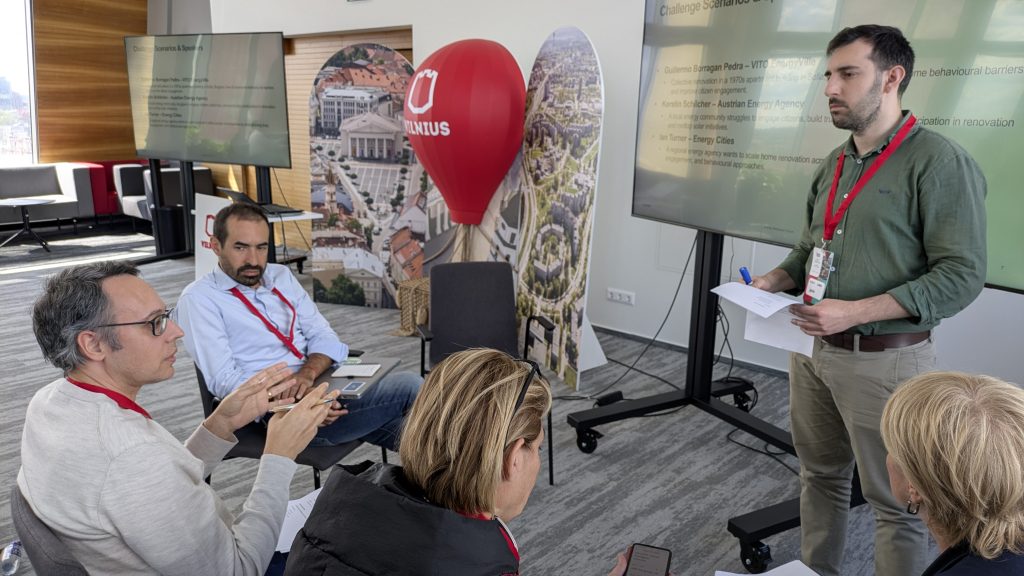
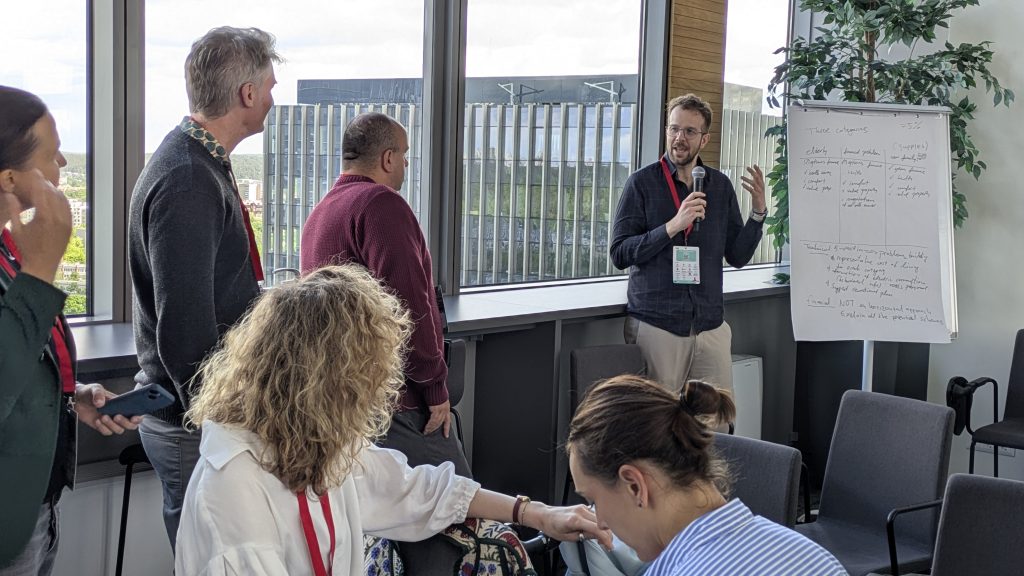
During the workshop on Citizen Engagement and Behavioural Approaches for Clean Energy Transition, participants were introduced to key concepts from behavioural sciences and applied them to real-world cases. After a theoretical introduction, three working groups addressed practical challenges from:
- a One-Stop-Shop for renovation aimed at private building renovation
- an energy community initiative
- an energy agency working with municipalities.
Across the discussions, one message stood out: technical solutions and financial incentives alone are not enough. Trust, proximity and credible intermediaries are often the deciding factors that enable residents to take action.
Communication strategies also need to reflect the diversity of household realities.
Different motivations, constraints and perceptions shape how people engage with renovation and energy transition choices, meaning that tailored approaches are essential.
Decision-making under uncertainty and inertia
A second key theme explored during the School was the complexity of behavioural processes behind both renovation decisions and choices related to heating and cooling systems.
Participants reflected on how inertia, uncertainty and perceived risk can significantly slow down investment decisions, even when technical and financial conditions are favourable. These behavioural barriers are often underestimated in traditional policy design, which tends to assume more linear, rational decision-making.
The School highlighted the importance of designing policies and programmes that reduce complexity, build confidence, and make decision pathways more visible and understandable for end users.
A big thank you to the school and the whole team for a really well‑organized and enjoyable experience. The topic was engaging, and the speakers were inspiring, approachable, and great to talk to. (…) I learned a lot, discovered new ideas and perspectives, and overall spent some really quality time. It was definitely worth it. – Vlatko Kovačić – City of Karlovac
From neighbourhood renovation to district energy systems
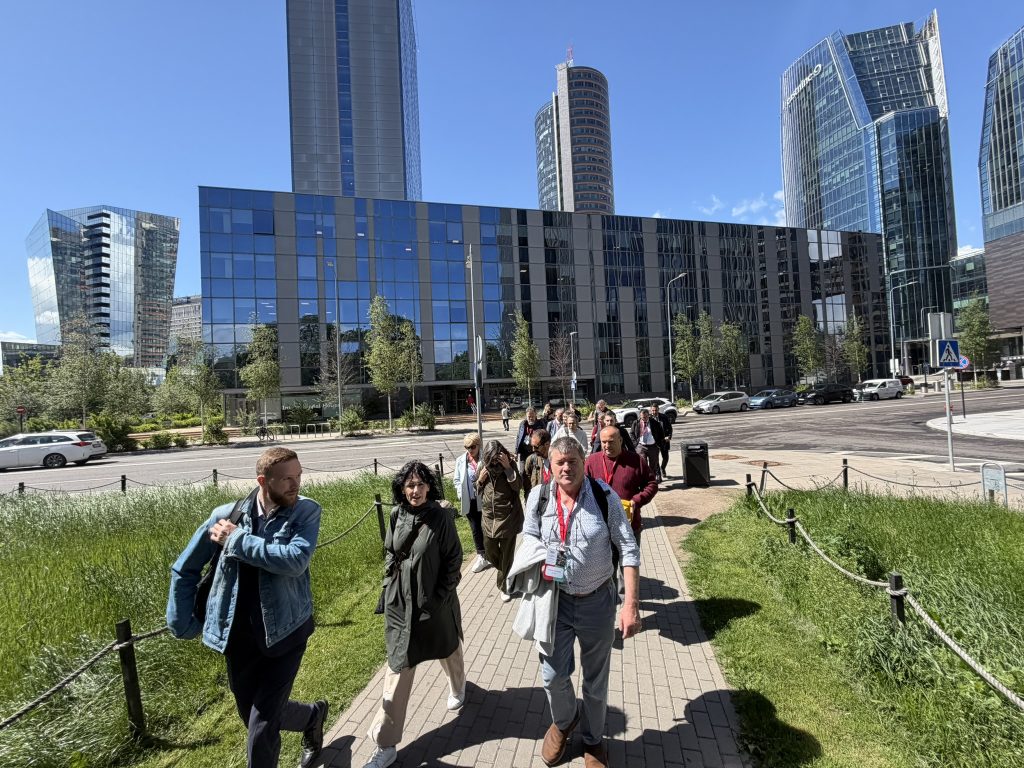
The School combined classroom sessions with study visits that grounded the discussions in real-world experience.
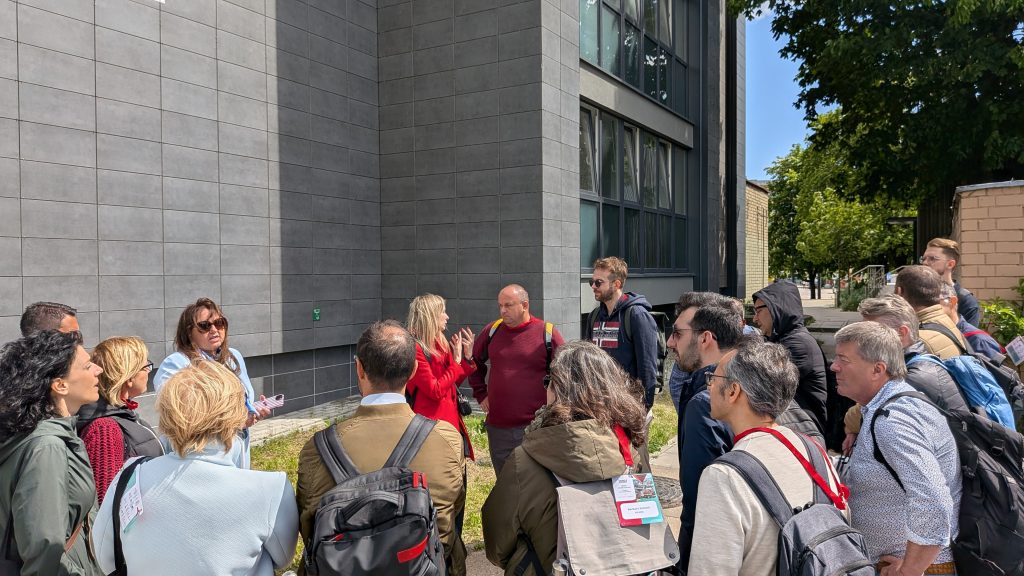
The first visit took participants through residential buildings renovated by Amiestas. Walking through the neighbourhood allowed participants to directly observe the “before and after” of renovation projects and to hear from practitioners involved in their implementation. This provided a concrete illustration of how technical upgrades, communication efforts and resident engagement come together in practice.
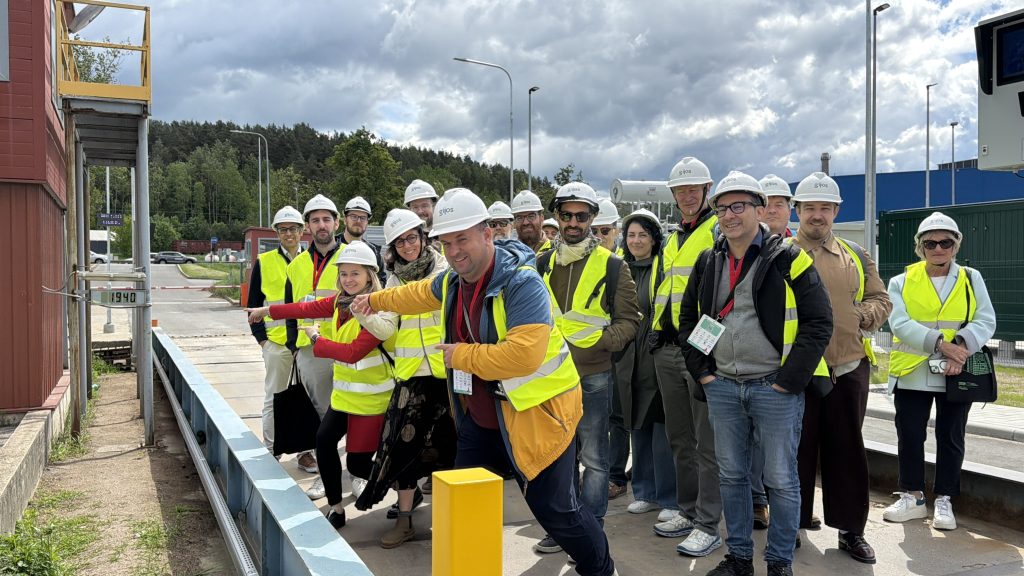
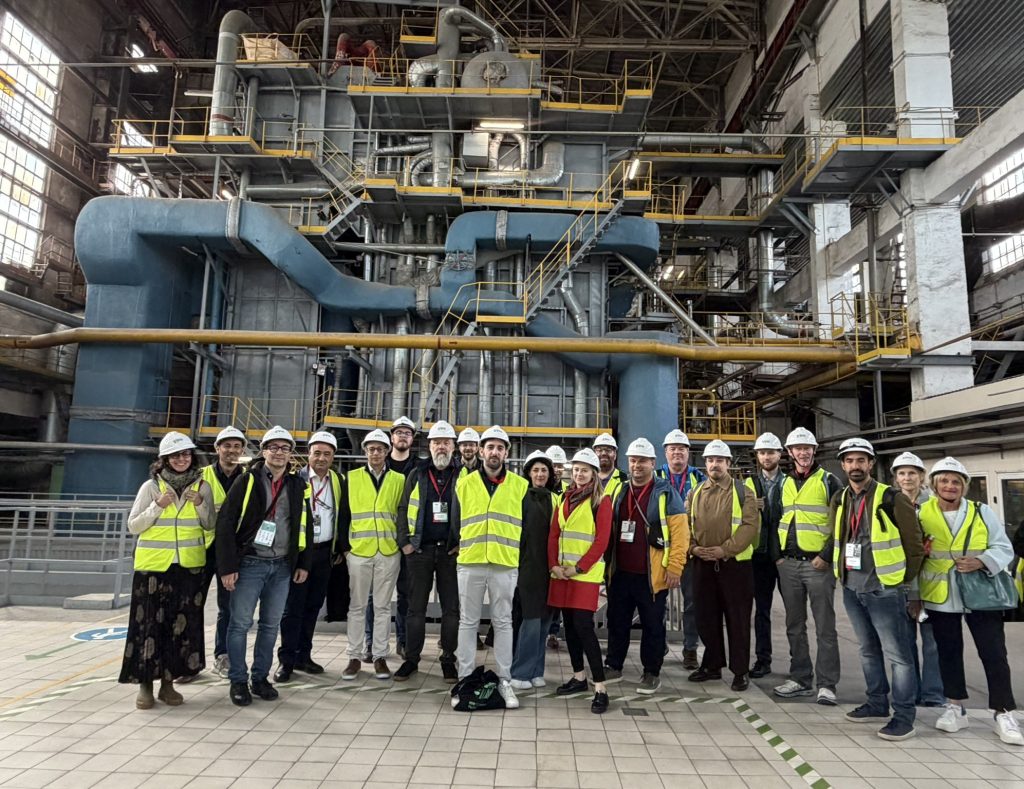
The second visit brought participants to the Gijos cogeneration plant in Vilnius, a key infrastructure in the city’s energy system. The facility produces both electricity and heat through cogeneration, using a combination of locally sourced biomass and non-recyclable municipal waste.
This visit helped connect building-level interventions with district-scale energy infrastructure, underlining the need for integrated approaches that align renovation strategies with the transformation of heating and cooling systems.
What’s next: what participants take home
The most immediate impact of the Vilnius School lies in what participants bring back to their own cities and organisations.
Beyond new ideas and methods, participants left with new connections across Europe, forming a growing community of practitioners who can continue exchanging experiences and supporting each other in implementing fossil-free district strategies.
The Vilnius School is not an endpoint, but a step in a wider learning process that continues in cities across Europe.
Thank you very much for your message and for the excellent organization of the SPARKLE School. It was a real pleasure to take part in such an engaging and well-structured experience. I think that the discussions and site visits were very valuable. It was very interesting to visit Vilnius sites and learn about the Amiestas’ experience. (…) I’m sure that the ideas and insights shared during these days will be useful for our work and for future cooperation opportunities. I‘m looking forward to staying connected with the SPARKLE community. – Felipe Barrocco, AESS