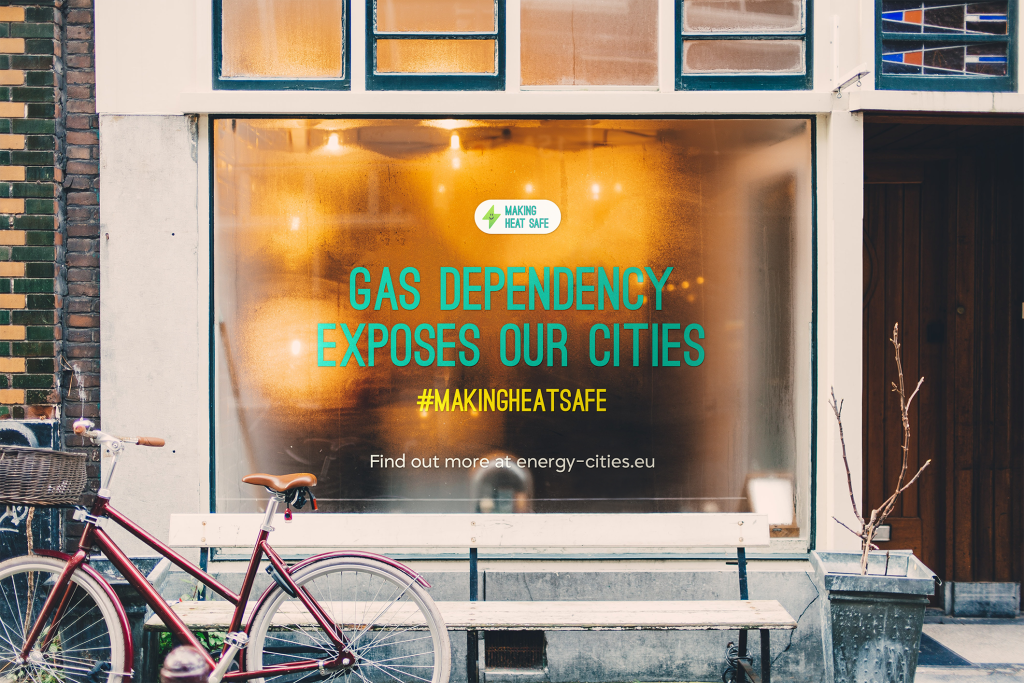
Europe’s Heat is Under Threat
Why cities are leading the fight for clean, secure, and affordable heating: Making Heat Safe
 Fossil-free cities
About

Yet in 2026, how we heat our buildings sits at the intersection of some of Europe’s most pressing challenges: energy security, climate change, social equity, and geopolitical stability.
The shift away from gas heating has long been framed as an environmental priority. But today, it has become something more urgent and tangible: a question of energy security, social protection, and economic resilience.
Reassessing Europe’s heat dependence
The numbers tell a stark story: around 72% of European buildings still rely on fossil fuels for heating – overwhelmingly gas. And as geopolitical conflicts continue to escalate, the true cost of that dependence can no longer be ignored. The ongoing Middle East tensions alone are draining nearly €500 million every single day from European economies.
At the end of April, European Commission President Ursula von der Leyen made it clear: “In just 60 days of conflict, our bill for fossil fuel imports has increased by over €27 billion, without a single molecule of additional energy.”
This dependence also translates into growing uncertainty for households, businesses, and public services. When prices fluctuate or supply is disrupted, energy insecurity hits hardest those who are least able to absorb the shock, including low-income households and vulnerable populations. At the same time, continued reliance on fossil-fuel-based heating locks in emissions, accelerates climate change, and places additional strain on aging infrastructure, ultimately weakening the resilience of urban energy systems as a whole.
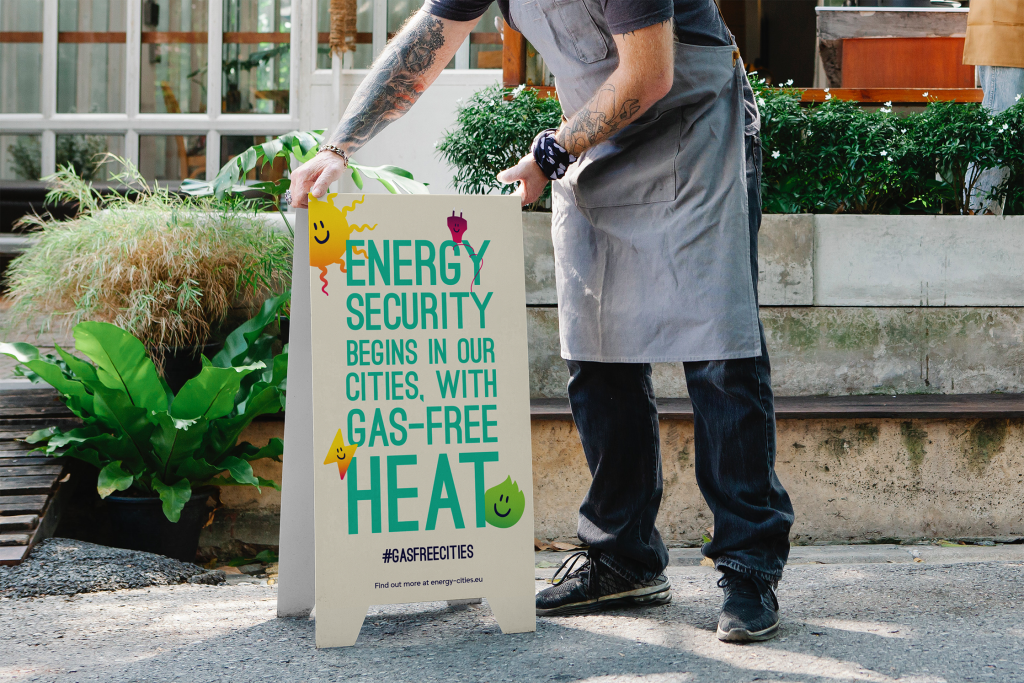
There are other ways of heating – and they work
Clean, gas-free heating systems: district heating networks, heat pumps, geothermal energy, and other renewable solutions, offer a structural response to this vulnerability. By diversifying energy sources and anchoring supply locally, cities can reduce exposure to global market shocks while accelerating emissions reductions. This is not a future vision: it is already happening across Europe.
For instance, in Tallinn, Estonia, the city is firmly on track towards climate neutrality by 2050 and aims to fully decarbonise its district heating system by 2030. Today, around 70% of its heat already comes from renewable sources, combining biomass, solar energy, heat pumps, and wastewater heat recovery into a diversified and resilient system.
In Mechelen, Belgium, a comprehensive heat plan backed by a strong local coalition is driving the city’s ambition to become Flanders’ “warmest” and healthiest city. Its municipal heat plan prioritises local and renewable sources such as sewage heat recovery, data centres and industrial waste heat, alongside geothermal storage and biomass integrated into future heat networks.
They are far from alone – check our EU Tracker to see who else is leading the way.
The forces driving clean heat forward: Meet our first Heat Heroes
Behind every urban heat transition are municipal staff, energy planners, and local utility teams working to secure energy supply, protect affordability, and modernise infrastructure for the long term. They are Europe’s quiet architects of energy independence, driving change often away from the spotlight, yet with lasting impact.
During our Annual Forum, we launched our new campaign, Making Heat Safe, which highlights local efforts to secure urban heating systems and advocate for better alignment between cities needs and European priorities. It was also the opportunity to gather and meet our first Heat Heroes: the faces behind the heat transition.

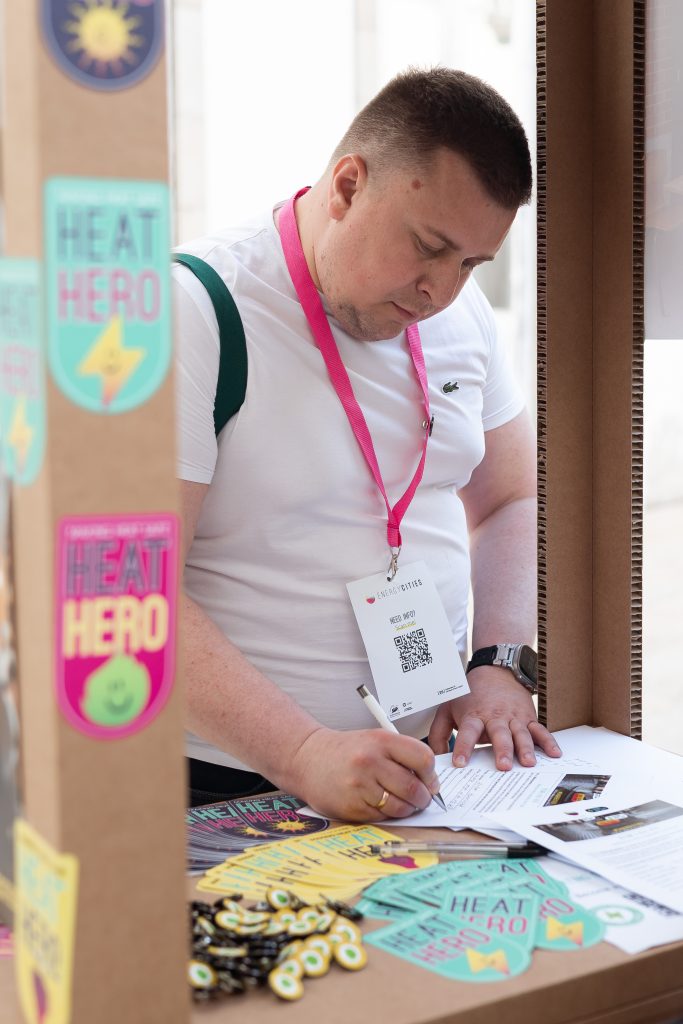
One of our Heat Heroes is Esther van der Sluijs, decarbonisation consultant for the City of Vienna. Her words stayed with us: “I decarbonise my city because it’s important for the future – for becoming climate neutral and more independent.”.
Among them was also Nathanaël Leblanc, project manager for Dijon Métropole, who, when asked “How do you imagine heating in your city in 10 years?”, highlighted the importance of expanding the heating network to reach more citizens and progressively replace fossil gas with renewable energy sources, ensuring wider access to decarbonised heat.


But cities cannot do this alone
Scaling the transition requires more than local ambition. It demands national and EU-level commitment: the right regulatory frameworks, accessible financing, and the political courage to match ambition with action. Find out more about our #MakingHeatSafe campaign.
Working on heat? Join the campaign by filling in our quick survey and become one of our Heat Heroes shaping the movement.