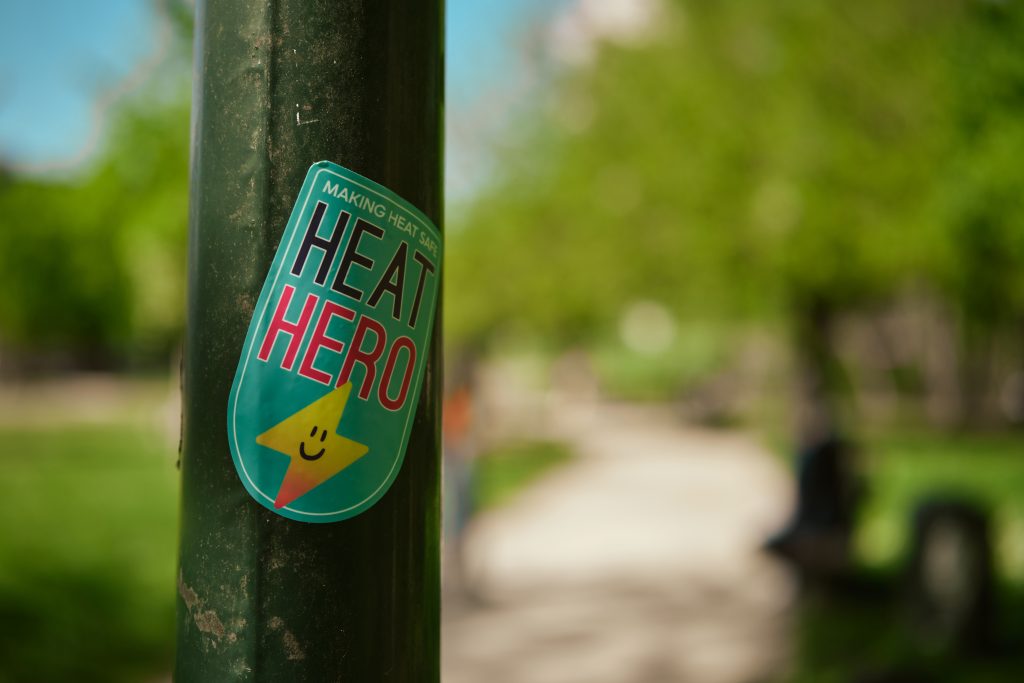
Europe sets the rules, Heat Heroes make them work
The European Union has set the course for fossil-free heating and cooling. Now cities and towns need the means to deliver.
 Fossil-free cities
About

No directive will heat a single home on its own. That work happens in cities and towns, led by local authorities and the people we call our Heat Heroes. So what does it take to get them there?
Europe’s ambition to leave fossil fuel behind
Over the past few years, the EU has been building clearer frameworks to move away from fossil fuels towards cleaner, more secure and more affordable energy systems. Since the European Green Deal, this ambition has been translated into legislation, from the recast Energy Efficiency Directive to the Electrification Action Plan published last July, which aims to accelerate the shift from fossil fuels to electricity where it makes sense. Later this year, the European Commission is also expected to present its long-awaited Heating and Cooling Strategy, adding another layout to Europe’s effort to decarbonise.
The next question is how this European ambition translates into action. This is where municipalities come in. Local authorities are uniquely placed to combine different solutions and shape the energy transition.
Where the transition happens
Implementing these solutions is, above all, a local matter. It happens in our territories, street by street and building by building. This is what we are highlighting through our Making Heat Safe movement: local authorities are the ones guaranteeing security of supply for their communities, protecting affordability for households and planning for the future by modernising infrastructure and developing innovative solutions.
They know their territory better than anyone. They know which neighbourhoods are most exposed to energy poverty, which buildings are the least efficient, where local renewable energy and waste heat can be used, and which networks need to be upgraded. They are also the level of government closest to citizens, which puts them the best placed to build the trust and support needed for lasting change.
In this view, one of our Heat Heroes, Anthony Nappez, Vice-President of Grand Besançon Métropole, highlights the importance of everyone playing a role:
“The people of Greater Besançon alone cannot stop global climate change. However, if everyone understands what is at stake and is willing to take action, the territory can achieve its climate mitigation objectives and adapt to the changes already underway.”
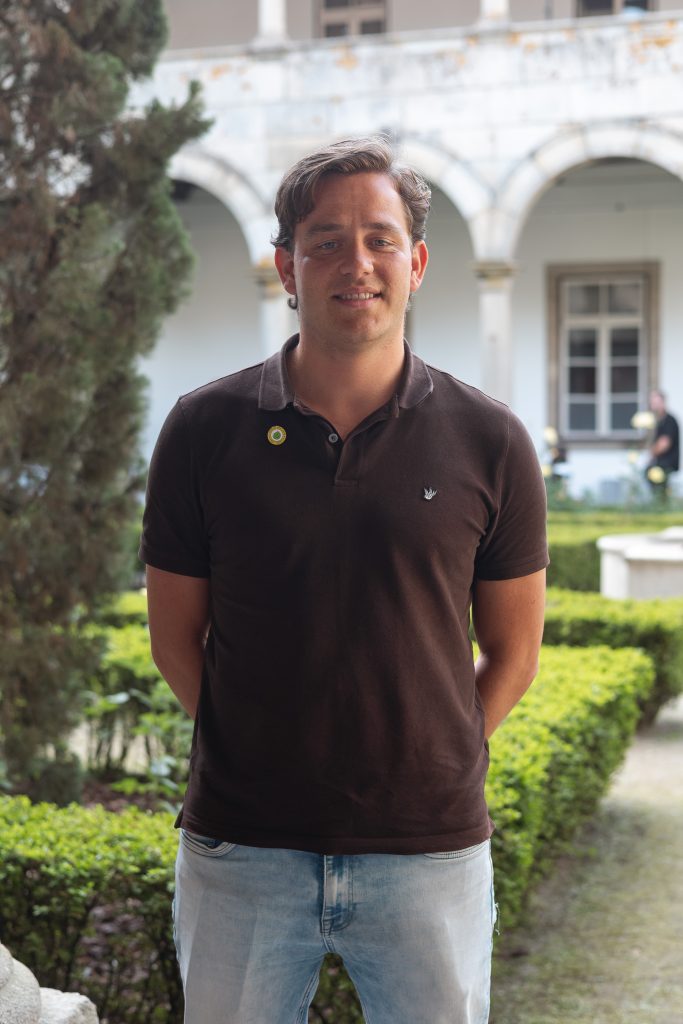
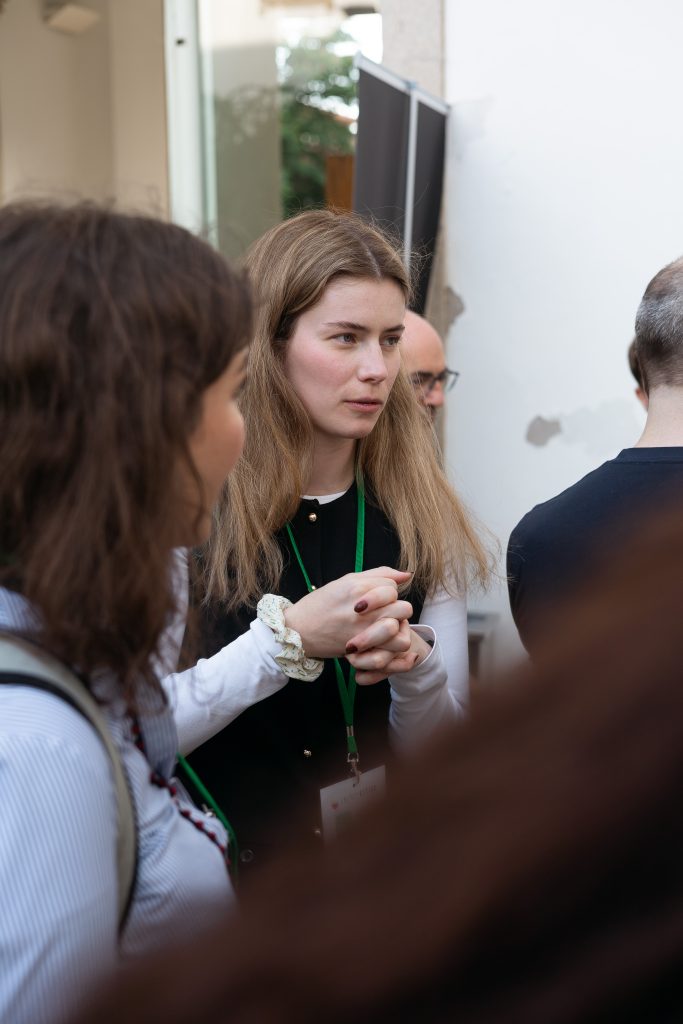
But he is far from the only one. At our annual forum in April, we met many people working on heat every day, and most of them share the same hope: that the fossil fuel era is coming to an end and that our cities will be powered by renewable energy. When we asked our participants where they see their heating in ten years, Thijn de Voogd, EU Project Coordinator at the City of Arnhem, answered: “a 75% increase in fossil-free heating and cooling.” Esther van der Sluijs, decarbonisation consultant for the City of Vienna, pictured a future where “a lot of renewable energy sources are being used.“
Let’s not leave our Heat Heroes alone
If the solution is local, then the support must be local too. This is what we hear from municipalities: they need more resources, more capacity and more backing to turn their plans into projects. The energy transition is a long journey, and no one can walk it alone. It takes cooperation between all levels of government.
Member States also have a key role to play in implementing Article 25.6 of the Energy Efficiency Directive, which requires municipalities with more than 45,000 inhabitants to prepare local heating and cooling plans. The deadline for transposing this provision into national law was 11 October 2025. Yet, as our EU Tracker showed in October 2025, only 8 Member States had transposed Article 25.6 or established an appropriate legal framework, while 19 had missed the deadline. Almost a year later, the picture remains far from complete. To see where each Member State stands, stay tuned: our EU Tracker will be updated soon.
But putting these requirements into practice is only the first step. What matters for our Heat Heroes is what happens next: whether national rules translate into funding, technical support and clear responsibilities at the local level. Explore the Making Heat Safe movement.